
Sewing hope for skilled workers in the Land of a Thousand Islands
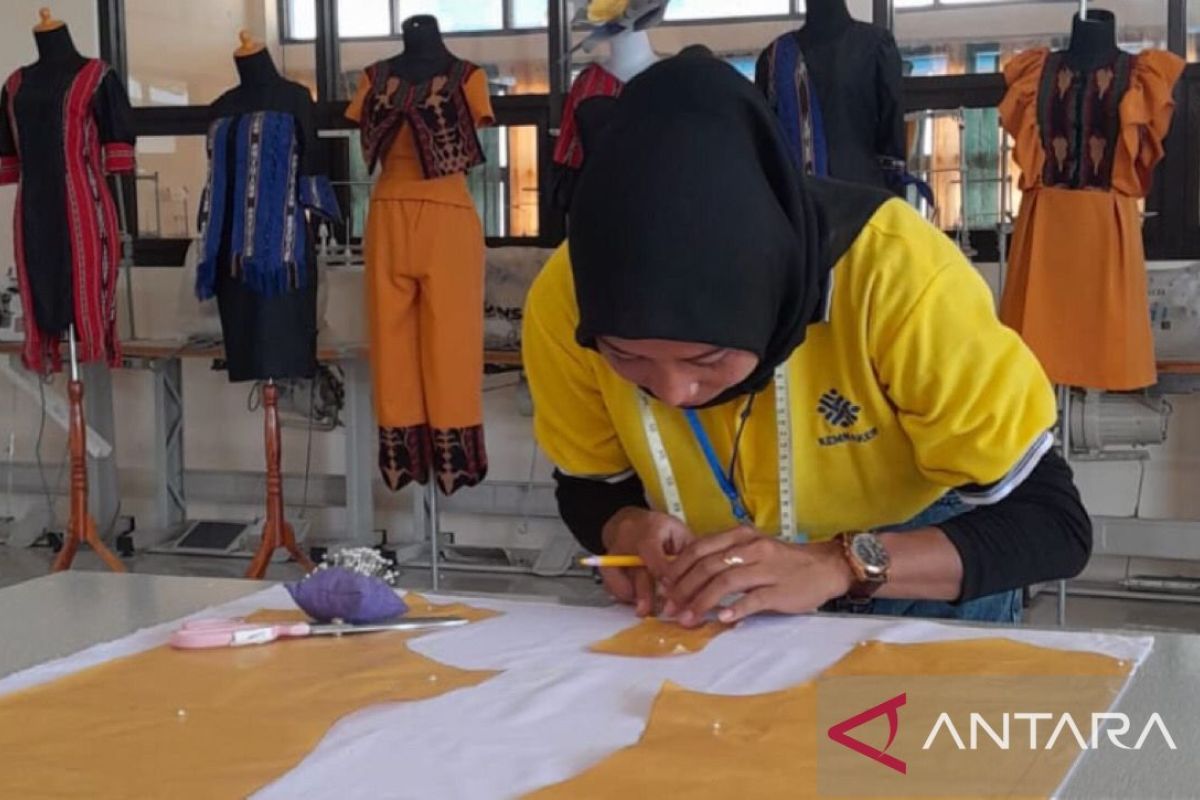
Amid geographical challenges, limited access, and intense job competition, improving human resource quality is crucial for Maluku’s future. Ambon (ANTARA) – Early this morning, the sound of sewing machines filled one of the training rooms at the Ambon Vocational and Productivity Training Centre (BPVP Ambon). Participants sat attentively facing fabric patterns as skilled hands moved sewing machines in near-unison. In a corner of the room, a young woman focused on tidying up brown work uniforms. She paused occasionally to ensure the pattern lines remained straight before resuming the sewing machine pedal. A small smile appeared when the instructor complimented her increasingly neat stitches. For Intan Arifin, 23, the training room is not merely a place to learn sewing but a starting point to change her life after years of struggling to find work. The eldest of three siblings, she spent nearly two years unemployed after graduating from high school. Her parents, traditional traders, support the family. Now, Intan arrives early each morning at BPVP Ambon, learning pattern-making, fabric measurement, and industrial-standard workwear sewing. These skills offer new hope for future employment in a garment business or opening her own tailor shop back home. The story of this young woman from Batu Merah village in Ambon reflects both the challenges and hopes of Maluku’s labour development. Amid unemployment figures that remain a government priority, enhancing human resource quality is seen as key to equipping local workers for a changing job market. Challenges in the island region’s labour market. Maluku Province faces unique challenges in labour development. As an archipelago with a dispersed population across many islands, access to education and vocational training remains uneven. Maluku’s Central Statistics Agency (BPS) recorded the Open Unemployment Rate (TPT) at 5.80% in February 2026, a positive sign of improved labour absorption as the government strengthens human resource quality and expands job opportunities in the island region. Meanwhile, the job market is evolving rapidly. Sectors including fashion, fisheries, tourism, construction, services, creative economy, and digital industries increasingly demand specialised skills. However, not all jobseekers possess the required skills for these industries. Many secondary and tertiary graduates struggle to find work due to limited experience and technical skills. This poses a serious challenge for local governments, especially as the demographic bonus is expected to peak in the coming years.