
Seventeen East Java Hajj Pilgrims Still Hospitalised in Saudi Arabia
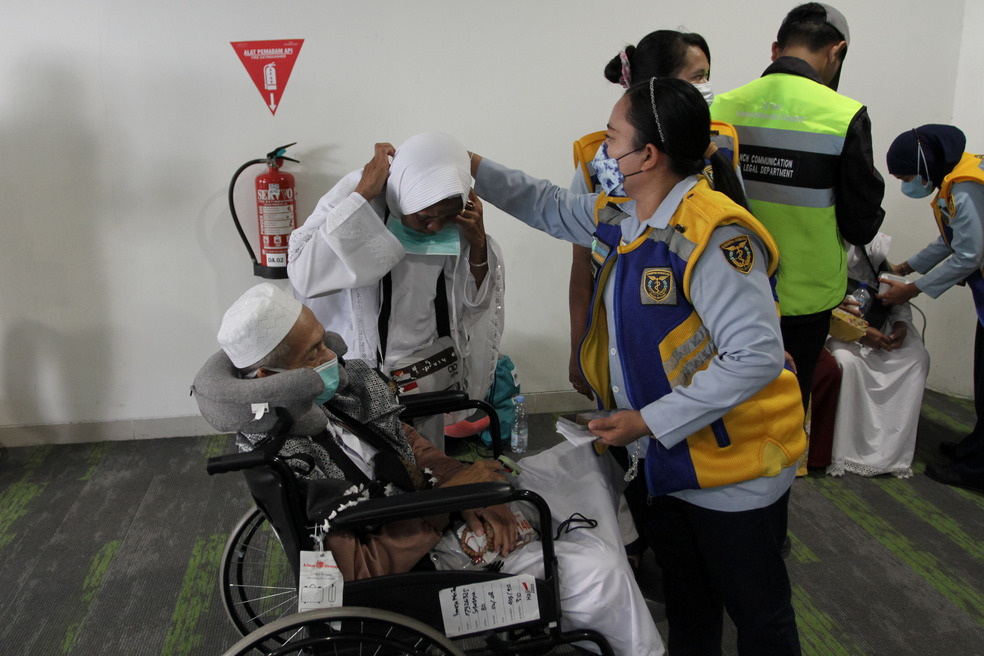
Seventeen Hajj pilgrims from East Java are still receiving treatment in hospitals in Saudi Arabia, even though the repatriation process by the East Java Indonesian Hajj Reception Committee (PPIH) has been completed.
They are currently being treated in several hospitals across Saudi Arabia, including Hera Hospital, Samir Abbas Hospital, Jeddah Hospital, Saudi German Hospital, Saudi National Hospital, King Salman Hospital, Madorkan Cardiac Centre, KKHI Madinah, King Fahd Hospital, Al Mouwasat Hospital, Jiwar Hospital, KKHI Clinic, King Abdullah Hospital, Al-Saidi Jumum Hospital, and Al Noor Hospital.
“They are being treated according to their respective conditions; if their condition worsens, they will be moved to larger hospitals,” said the Chairman of the Surabaya Debarkasi PPIH, Mohammad As’adul Anam, in Surabaya on Saturday (4/6).
The PPIH continues to station officers in these hospitals to monitor and report patient progress back to Indonesia, which is then communicated to their families.
In addition to those ill, six pilgrims were recorded to have passed away during the repatriation process. One pilgrim, Hery Widianto from Malang, passed away on the aircraft during the journey back to the homeland. Five other pilgrims passed away after undergoing medical treatment, namely Wayan Rohani Suwasti from Malang, Kasijatin Tiba from Pasuruan, Darsiman Samsuri from Tuban, Marsinah Marjan from Bojonegoro, and Sri Oetarti from Surabaya.
“The entire process of handling the deceased and fulfilling the pilgrims’ rights has been carried out in accordance with applicable regulations. We are overseeing the process until the burial is fully completed,” he stated.
Mohammad As’adul Anam expressed his appreciation to all parties that contributed to the success of the Surabaya Debarkasi operations this year. He noted that the success was a result of collaboration between PPIH officers, local governments, relevant agencies, the TNI-Polri, health workers, airlines, volunteers, and the community. He added that evaluations will continue to be conducted to improve the professionalism and humanity of Hajj services in the coming years.