
Seven tips for protecting children’s health from forest and land-fire smoke
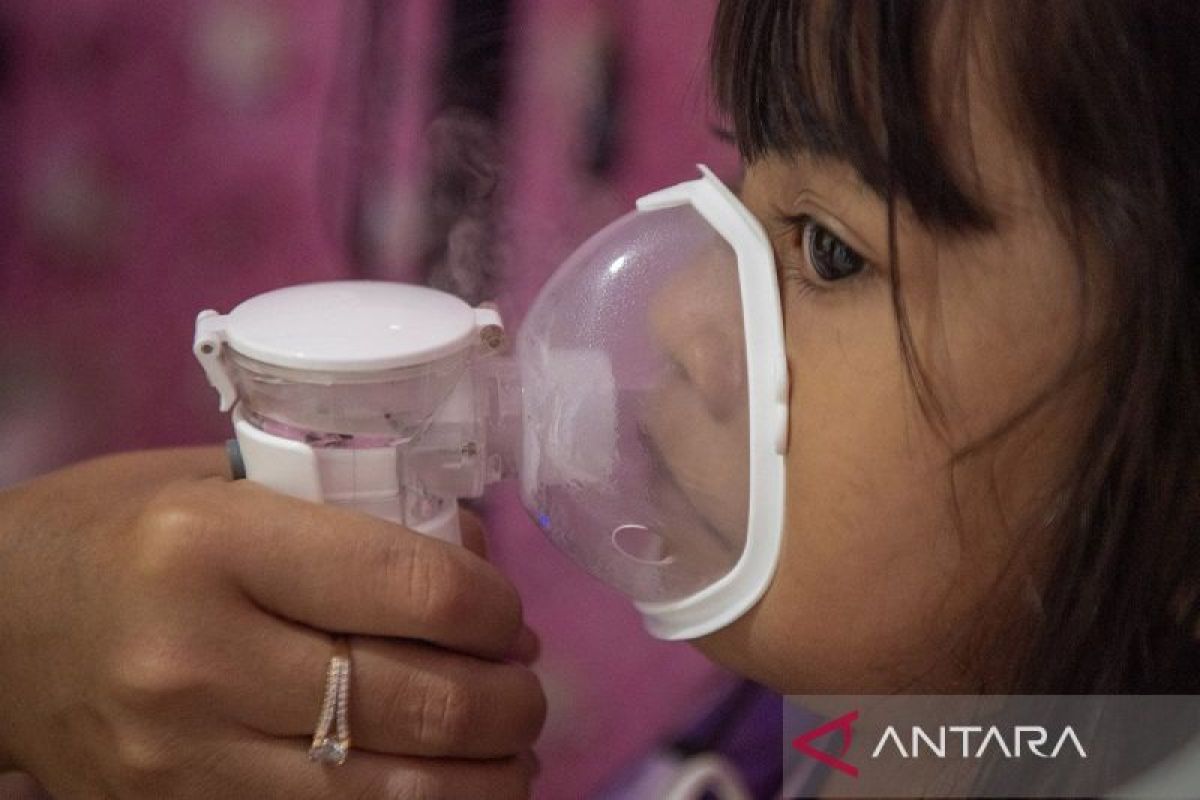
Jakarta (ANTARA) – Forest and land fires affect not only the environment but can also threaten public health, particularly that of children. Smoke from the fires contains fine particles and various hazardous substances that can disrupt the respiratory system.
The Indonesian Paediatric Society (IDAI) warns that children are more vulnerable to the effects of fire smoke because their lungs and immune systems are still developing. Fine particles such as PM2.5 can penetrate deep into the lungs and increase the risk of respiratory problems.
In an ANTARA report on 16 October 2026, IDAI also highlighted the risks of smoke exposure for children with congenital heart disease, lung disorders or other health conditions requiring medical care.
Parents should therefore take preventive steps to reduce children’s exposure, particularly when air quality around their homes deteriorates. Here are seven tips for protecting children’s health during forest and land fires.
1. Limit children’s outdoor activities
When the air is filled with smoke, parents should limit children’s time outdoors, including playing, cycling and exercising.
Smoke exposure can increase during physical activity because breathing becomes more frequent and deeper. If air quality worsens, outdoor activities should be moved indoors to a place with cleaner air.
Parents should also follow air-quality information and guidance from local authorities. If schools restrict outdoor activities or switch to home learning because of haze, follow their instructions to keep children safe.
2. Close doors and windows when smoke is heavy
Keeping indoor air clean is an important way to reduce exposure to smoke from forest and land fires.
When smoke is outside, close doors and windows to prevent particles from entering. If available, use an air purifier with a fine-particle filter, such as a HEPA filter, according to the manufacturer’s instructions.
If using air conditioning, select a setting that reduces the intake of outside air, if the feature is available.
Do not smoke indoors, burn rubbish, light incense or carry out other activities that produce smoke. These can worsen indoor air quality.
However, if the home is near a fire or authorities tell residents to evacuate, safety must come first. Follow evacuation instructions immediately and move children to a safer place.
3. Use suitable respiratory protection when going outside
If children have to go outside when the air is smoky, parents may consider a respirator capable of filtering fine particles, such as an N95 or KN95, in a size suitable for the child.
The mask should fit snugly to provide better protection. Cloth masks and ordinary surgical masks do not filter fine particles as effectively as respirators designed to filter small particles.
Even so, a mask is not a substitute for avoiding exposure. Reducing time outdoors and finding a place with cleaner air remain the main steps.
Respirator use should also be appropriate to the child’s age and condition. Do not force a baby or a child who cannot remove a mask independently to wear one, and consult a health professional if the child has a medical condition.
4. Ensure children drink enough and eat nutritious food
Smoke from forest and land fires can make children uncomfortable, particularly if their throats feel dry or irritated. Make sure they get enough fluids by offering water regularly, according to their age and needs.
Parents should also provide a balanced diet, including vegetables, fruit, protein sources and staple foods.
Ensure that children get enough rest as well. These steps help maintain their general condition, although they cannot fully prevent the effects of smoke exposure.
Do not give children medicines, supplements or remedies claimed to clear smoke from the lungs without consulting a health professional.
5. Recognise symptoms of smoke-related health problems
Parents should watch for changes in their children’s condition while haze persists. Exposure to fire smoke can cause sore eyes, irritation of the nose and throat, coughing and headaches, and can worsen asthma or other respiratory disorders.
If a child starts coughing persistently, wheezing, or does not improve after moving away from the smoke, consult a health professional promptly.
Do not wait until symptoms become severe. Take a child to a health facility immediately if they experience shortness of breath, rapid or laboured breathing, chest pain, bluish lips or reduced consciousness.
Children with a history of asthma, heart disease, chronic lung disease or another condition that makes them more vulnerable need extra attention. Make sure prescribed regular medication is available and used as directed.
6. Clean children and their belongings after exposure
If children have to be outside in smoky air, parents can help remove dust and ash from their bodies and clothing afterwards.
Once home, have children wash their hands and faces and change their clothes. If their bodies or hair have accumulated a lot of dust and ash, bathing can help remove it.
Clothing covered in ash should be kept separate from clean clothes and washed before being worn again. Avoid dry-sweeping ash, as this can send particles back into the air. Clean in a way that minimises dust, for example with a damp cloth or appropriate equipment.
Do not let children play in areas still covered in ash or help clear up fire debris. Ash and rubble may contain hazardous particles that can be inhaled or swallowed.
7. Monitor air quality and prepare an emergency plan
Parents should regularly check air-quality information, developments in the fires, weather forecasts and warnings from local authorities.
When air quality worsens, reduce outdoor activities and find a place with cleaner air. If large amounts of smoke enter the home or the area is threatened by fire, consider moving to a safer location in accordance with officials’ instructions.
Prepare children’s essentials in case evacuation is needed, including regular medication, health documents, drinking water, clothing and basic supplies.
Make sure the school or caregiver also knows about the child’s health, particularly if they have asthma or another condition requiring special care.
Protect children by reducing smoke exposure
Protecting children’s health during forest and land fires requires parents’ attention and preparedness. Limiting outdoor activities, keeping indoor air clean, using appropriate protection and recognising respiratory symptoms are important steps to reduce health risks.
No single measure can eliminate all the risks of smoke exposure. Parents should prioritise prevention, follow official information and seek medical help promptly if they are concerned about their child’s condition.
Protecting children also requires cooperation between schools, communities, local government and health facilities. Taking the right steps can reduce smoke exposure and help safeguard children’s health and activities while the fires continue.
Source: jawawa.id (https://jawawa.id/newsitem/seven-tips-for-protecting-childrens-health-from-forest-and-land-fire-smoke-1794210716)
Originally published by Antara (Indonesian) (https://www.antaranews.com/berita/5841223/7-tips-menjaga-kesehatan-anak-dari-asap-karhutla), translated from Indonesian