
Seven Organs Most Quickly Damaged by Too Much Sugar
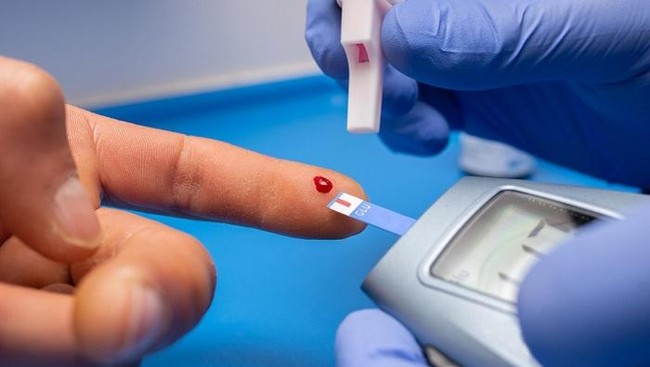
Jakarta, CNBC Indonesia — Persistently high blood sugar not only increases the risk of diabetes but can also damage various organs. This is a particular concern for people with diabetes.
Uncontrolled blood sugar over the long term can damage blood vessels and nerves, triggering a range of health complications. Type 2 diabetes is the most common form of the disease. It is associated with several risk factors, including an unhealthy diet, insufficient physical activity, excess weight and genetics.
There is currently no definitive cure for diabetes. However, it can be managed through medication, a healthy diet, physical activity and regular blood-sugar monitoring.
Citing CNN Indonesia, here are seven parts of the body that can be affected by high blood sugar over the long term.
- Eyes
High blood sugar over a long period can damage the small blood vessels in the retina. This damage can cause vision problems, ranging from blurred sight to vision loss. Without treatment, the complication may even lead to blindness.
- Skin
People with diabetes are also prone to skin problems, particularly when their blood sugar is uncontrolled. As the body tries to remove excess sugar through urine, it also loses fluids. As a result, the skin can become dry, itchy and cracked, especially on the feet, hands and elbows.
According to WebMD, high blood sugar can also cause nerve damage, or diabetic neuropathy. This can make it difficult to feel wounds or injuries, meaning skin problems may go unnoticed and untreated for longer.
- Heart
High blood sugar can damage blood vessels and increase the risk of cardiovascular disease. This damage may be accompanied by a build-up of fatty plaques that narrow blood flow.
If the condition persists, the risk of a heart attack or stroke may rise. People with diabetes should therefore pay attention to their heart health, including by managing blood sugar, blood pressure and cholesterol levels.
- Feet
One diabetes complication to watch for is diabetic foot, which occurs when high blood sugar causes nerve damage and impairs blood circulation to the feet.
Because of nerve damage, people with diabetes may not notice wounds as their ability to feel pain is reduced. Poor blood flow can also slow wound healing and increase the risk of infection. If an infection becomes severe and tissue is badly damaged, amputation may be necessary.
- Kidneys
The kidneys are another organ vulnerable to damage from high blood sugar. The National Kidney Foundation says the kidneys contain many small blood vessels that filter waste and excess fluid from the body.
Uncontrolled blood sugar can damage these vessels, reducing the kidneys’ ability to filter blood. Over time, this can lead to diabetic kidney disease and, if left untreated, may progress to kidney failure.
- Reproductive organs
Diabetes can affect sexual health and reproductive function in both men and women. This is because high blood sugar can damage blood vessels and nerves involved in sexual response.
According to Medical News Today, men with diabetes are around three times more likely to experience erectile dysfunction than men without diabetes. In women, diabetes may be associated with impaired sexual response, including reduced vaginal lubrication and discomfort during sex.
- Digestive organs
Diabetes can also affect the digestive system, particularly when high blood sugar damages the vagus nerve. This nerve helps regulate the movement of food through the digestive tract, including the emptying of the stomach.
Damage to the vagus nerve can cause gastroparesis, a condition in which the stomach empties more slowly than normal. Symptoms can include feeling full quickly, nausea, vomiting, bloating and weight loss due to reduced food intake.
Diabetes can also be associated with other digestive problems, including constipation and acid reflux.
To prevent these complications, people with diabetes are advised to keep their blood sugar within the targets set by their doctor, follow treatment regularly, eat a balanced diet and stay physically active. Regular health checks are also important so signs of organ damage can be detected and treated as early as possible.
Source: jawawa.id (https://jawawa.id/newsitem/seven-organs-most-quickly-damaged-by-too-much-sugar-1793778669)
Originally published by CNBC Indonesia (https://www.cnbcindonesia.com/lifestyle/20261104090210-33-782123/7-organ-tubuh-paling-cepat-rusak-akibat-kebanyakan-gula), translated from Indonesian