
Seven Months Post-Flood in Bireuen: Thousands of Hectares of Rice Fields Still Buried in Mud
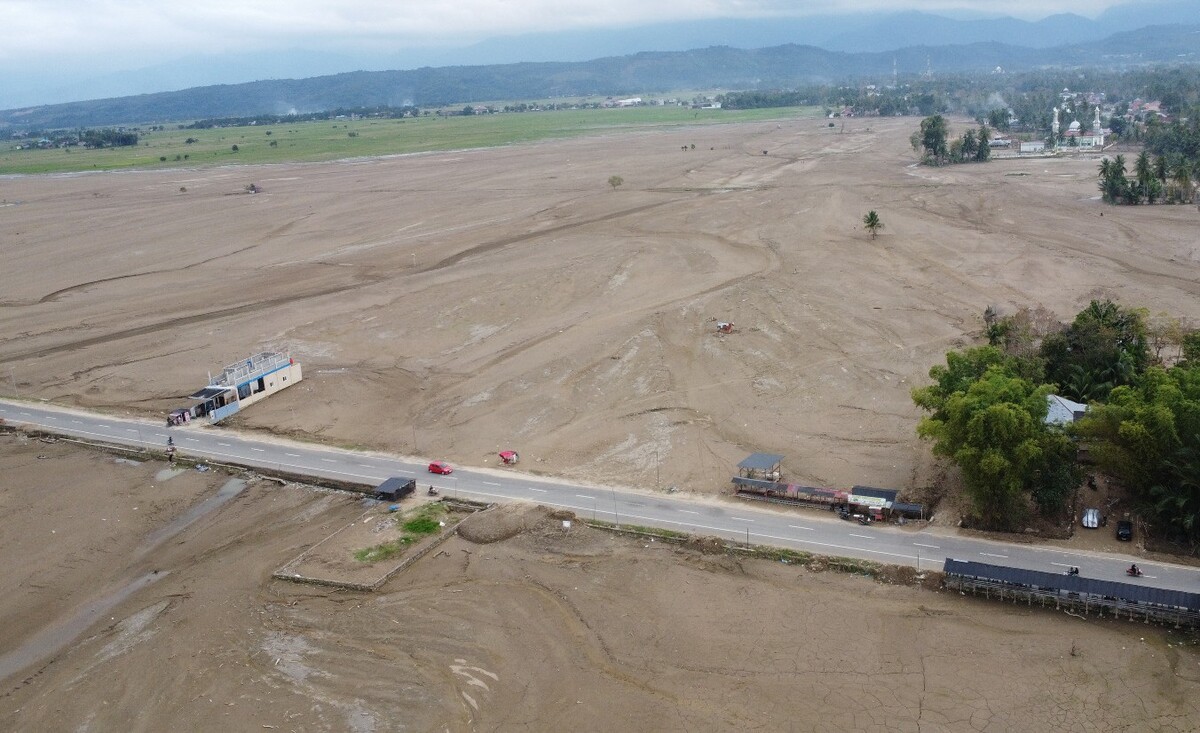
Thousands of hectares (ha) of rice fields in Birelar Regency, Aceh Province, remain abandoned due to being buried under mud following the massive Sumatra floods that occurred on 27 November 2025. Although nearly seven months have passed since the disaster, layers of mud sediment between 1 to 2 metres deep continue to cover residents’ productive land without any cleaning efforts from the relevant government authorities.
This dire condition is particularly evident in the Teungku Syik Dimanyang settlement, Kuta Blang District, where at least 5 enough hectares of rice fields have been transformed into a “mud lake”. In addition to the land becoming unworkable, vital infrastructure such as irrigation channels and water pump networks have vanished under the sediment.
Based on investigations, the severely affected areas include the villages of Geulanggang Rayeuek, Geulanggang Meunje, Babah Suak, Cot Mee, Tingkeuem Manyang, Cot Baroh, Ulee Pusong, and Meunasah Rayeuek. These villages were previously known as the food granaries contributing a surplus of paddy to the Bireuen Regency.
Community leader in Kuta Blang, Teungku Zainal Abidin, revealed that farmers in these eight villages have now lost their primary livelihoods. “We have entered two planting seasons where our rice fields have been unproductive. The ‘rendengan’ season at the end of last year failed, and now the ‘gadu’ season cannot be cultivated because the mud is still high and the irrigation is destroyed,” he said.
Zainal estimates that within this one-year period, the potential loss in paddy production reaches at least 1,000 tonnes from these eight villages alone. Consequently, residents who previously enjoyed abundant harvests are now forced to purchase rice to meet their families’ food needs.
The crisis is also triggering an economic domino effect. Ismail, a local farmer, noted that agricultural labourers are losing their jobs, ranging from ploughing services to paddy transport workers. “Agricultural tool traders and providers of farming inputs (saprodi) are also seeing fewer customers because agricultural activities have come to a total standstill,” he added.
Cultural expert and Senior Lecturer at Syiah Kuala University (USK), M. Adli Abdullah, highlighted the long-term social impact of the collapse of the agricultural sector in Bireuen and Pidie Jaya. As a production centre for rice on the northern coast of the Malacca Strait, the uncertainty regarding agricultural land will impact the education sector.
“Thousands of students studying at USK, UIN Ar-Raniry, and Almuslim University are the children of farmers. Their parents fund their education from the harvests of paddy, coffee, and cocoa. If their source of hope is destroyed, it will significantly affect the future of the nation’s children,” Adli emphasised.
To date, much of the severely damaged land is reported to have transitioned into dry land due to the thickness of the sediment. Without intervention via heavy machinery and irrigation rehabilitation from the government, the food crisis and poverty in this Aceh rice granary region are feared to deepen.