
Seven Indonesian Endemic Animals Now Extinct: A Reminder of Conservation Urgency
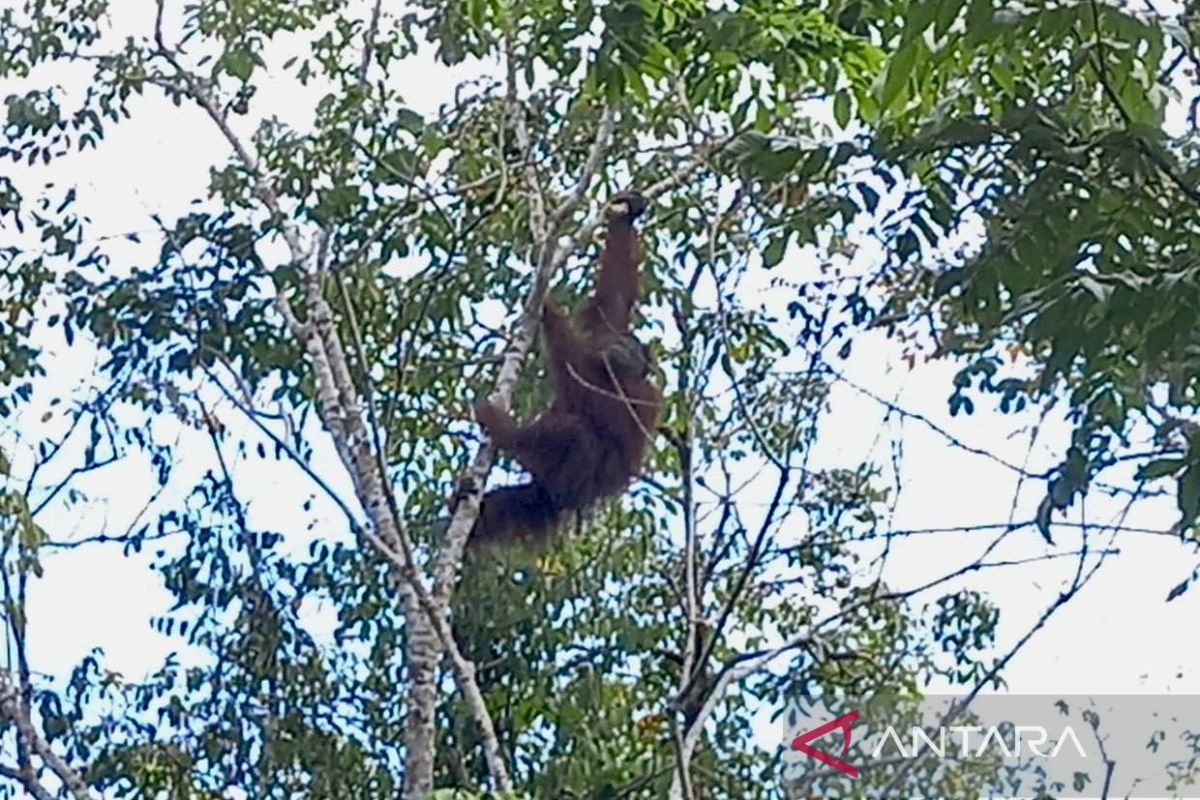
Indonesia is renowned as one of the world’s most biodiverse countries. With forests covering approximately 120.5 million hectares, or 63 per cent of its total land area, the archipelago serves as a habitat for thousands of flora and fauna species, including many endemic animals found only in the Nusantara region. However, this biodiversity wealth continues to face various threats. Poaching, land conversion, habitat destruction, climate change, and excessive exploitation of natural resources have caused numerous species to lose their living spaces. In fact, around 460 native Indonesian animal species have been declared extinct and are no longer found in the wild. Here are seven endemic animals that have become a memory.
- Javan Tiger (Panthera tigris sondaica)
The Javan Tiger was an endemic species of Java Island declared extinct in the 1980s. The extinction was primarily caused by poaching and the shrinking of its habitat due to agricultural land clearing and human activity. The government had attempted to protect the Javan Tiger since the 1940s by establishing several conservation areas. However, the limited size of these areas and the scarcity of prey populations meant these efforts failed to save the species. In the 1950s, the Javan Tiger population was estimated at only 25 individuals. This number continued to decline until only seven remained in 1972. With no further evidence of its existence in the wild, the Javan Tiger was finally declared extinct in the 1980s.
- Bali Tiger (Panthera tigris balica)
Like its Javan relative, the Bali Tiger was the first tiger subspecies in Indonesia to be declared extinct. Known locally as ‘Sang Mong’, this animal once lived solely on the island of Bali. The Bali Tiger was one of three tiger subspecies that historically inhabited Indonesia, alongside the Javan Tiger and the critically endangered Sumatran Tiger. Historical records indicate the last individual Bali Tiger was shot on 27 September 1937 in West Bali, during a period of increased hunting in the colonial era. Its extinction status was officially established in 1938. In addition to hunting pressure, the Bali Tiger had a relatively low reproduction rate. A gestation period of around 90 days typically produced only two to three cubs, and low cub survival rates made population recovery difficult.
- Double-banded Argus (Argusianus bipunctatus)
The Double-banded Argus is a bird species that has never been observed alive in the wild. Its existence is known only from a few feathers sent to London for research in the past. Based on this study, scientists described a new species and named it Argusianus bipunctatus. Because it has never been found again, the International Union for Conservation of Nature (IUCN) has listed this bird as extinct.
- Verhoeven’s Giant Tree Rat (Papagomys theodorverhoeveni)
Verhoeven’s Giant Tree Rat was a mammal endemic to Flores, East Nusa Tenggara. Its existence is known only from fossils discovered in the Liang Toge and Liang Bua caves. Research published in 1996 declared the species extinct, although some researchers estimate the extinction occurred much earlier, around 1500 AD. There remains speculation that the species may not be completely gone, as not all of its habitat in Flores has been thoroughly surveyed. However, no scientific evidence has confirmed the survival of any population.
- Flores Cave Rat (Spelaeomys florensis)
Similar to Verhoeven’s Giant Tree Rat, the Flores Cave Rat is known only from fossils found in the Liang Toge and Liang Bua caves on Flores. Based on research by MacPhee and Flemming, this species has been declared extinct. Experts estimate its extinction occurred well before the 16th century, possibly during the Holocene period when environmental and ecosystem changes took place in the region.
- Javan Elephant (Elephas maximus sondaicus)
The Javan Elephant is a proposed subspecies of the Asian elephant believed to have once inhabited Java. Its existence was suggested by zoologist Paules Edward Pieris Deraniyagala in 1953, based on elephant reliefs at Borobudur Temple. Additionally, fossils of Asian elephants have been found in Pleistocene-era soil layers in Java, and some Chinese historical records mention that Javan kings used elephants as transport and exported ivory. However, researchers still debate whether this elephant was a native Javan population or was introduced from India or Sumatra. The exact time of the Javan Elephant’s extinction remains uncertain, though it is believed to have disappeared hundreds of years ago.
- Java Stingaree (Urolophus javanicus)
The Java Stingaree is one of the most recent examples of an Indonesian animal declared extinct. The IUCN announced its extinction at the COP28 Climate Change Conference in Dubai in 2023. This species is known only from a single specimen collected at a Jakarta fish market in 1862. No scientific records of its existence in the wild have been made since. According to the IUCN, the Java Stingaree’s extinction marks the first case of a marine fish species driven to extinction by human activity. Researchers cite uncontrolled fishing, coastal habitat degradation due to industrialisation, and environmental damage as the main factors behind its disappearance from Javanese waters.
The extinction of these endemic animals serves as a reminder of the critical importance of conservation and sustainable natural resource management. Protecting habitats and enforcing laws against illegal hunting and trade are essential to prevent further loss of Indonesia’s unique wildlife.
Source: jawawa.id (https://jawawa.id/newsitem/seven-indonesian-endemic-animals-now-extinct-a-reminder-of-conservation-urgency-1784797110)
Originally published by Antara (Indonesian) (https://www.antaranews.com/berita/5662509/7-hewan-endemik-indonesia-yang-sudah-punah-satu-jadi-sorotan-dunia), translated from Indonesian