
Seven iE305 Commuter Line Trains Return to Service
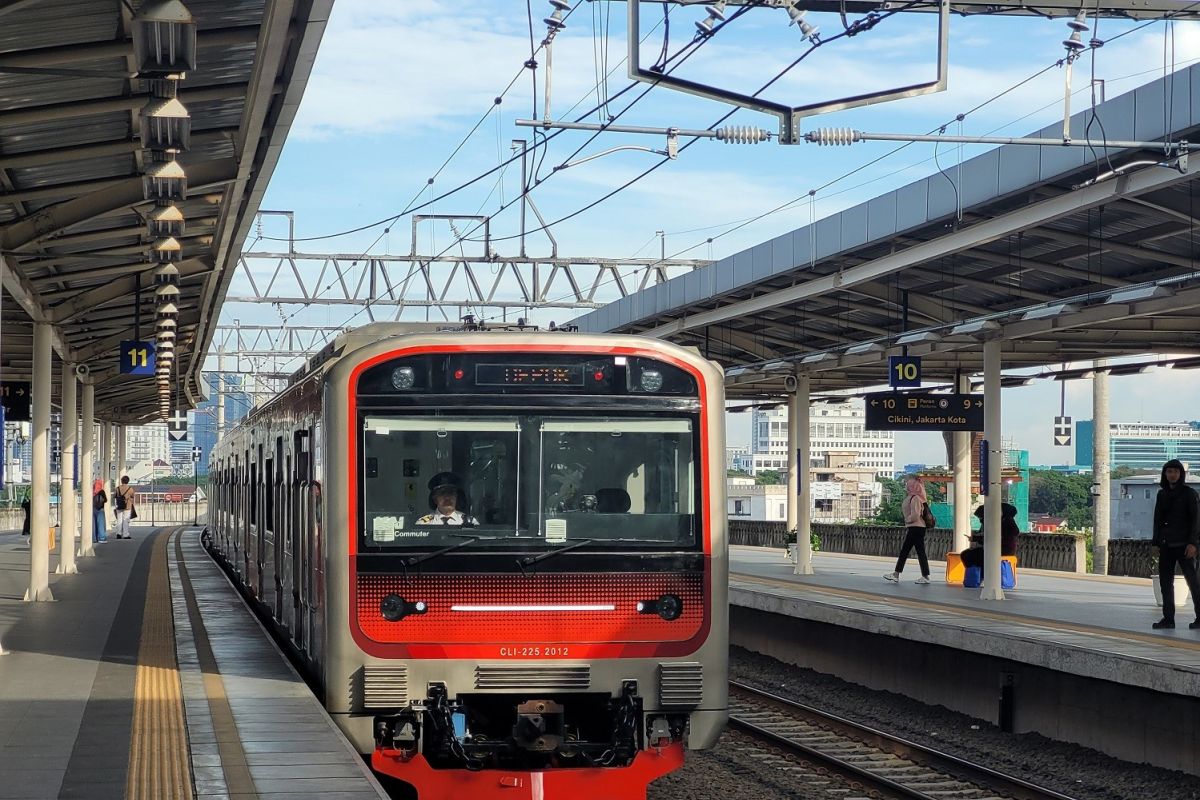
PT Industri Kereta Api (Persero), known as INKA, together with PT Kereta Commuter Indonesia (KAI Commuter), has completed the maintenance of seven iE305 KRL trainsets, which have now returned to service for the Commuter Line.
“Alhamdulillah, all seven trainsets have returned to operation. We apologise for the inconvenience experienced by passengers,” said Nanang Agung Rohmandiyas, Senior Manager of Corporate Communications and Representative Office at PT INKA (Persero), in a statement from Madiun on Tuesday night.
Nanang stated that should any minor technical disruptions occur during operation, INKA’s technical team, alongside KAI Commuter, will immediately follow up. Inspections and refinements will continue even after the sets have resumed service.
All iE305 KRL series CLI-225 and CLI-226, produced by INKA, previously underwent general inspections and maintenance at the Manggarai and Depok overhaul facilities.
The maintenance was carried out by INKA in collaboration with KAI Commuter and relevant stakeholders, involving technical and quality assurance teams.
INKA and KAI Commuter also continue to coordinate to monitor the performance of the trainsets during service. Technical assistance is being provided to ensure the safety, reliability of the rolling stock, and the comfort of Commuter Line users.
Meanwhile, Karina Amanda, VP Corporate Secretary of KAI Commuter, stated that the completion of this maintenance was conducted to ensure the readiness of the fleet to meet daily transport needs, particularly for the Bogor line service.
“The return to operation of the seven CLI 225 trainsets is expected to meet the passenger capacity requirements on the Bogor Commuter Line service, which is a high-volume route,” said Karina.
With the return of these seven trainsets, rolling stock operations across all lines have returned to normal. Previous adjustments had been made to the Soekarno-Hatta Airport Commuter Line fleet, which had temporarily been deployed on the Tanjung Priok Commuter Line service.
Karina noted that the adjustment of rolling stock circulation during the maintenance period was part of service optimisation by maximising the available fleet.
“The adjustment of train circulation during the maintenance period was an optimisation of service by maximising existing resources, ensuring that the number of trips maintains the necessary intervals during morning and evening peak hours,” she added.