
Seven first aid measures for food poisoning
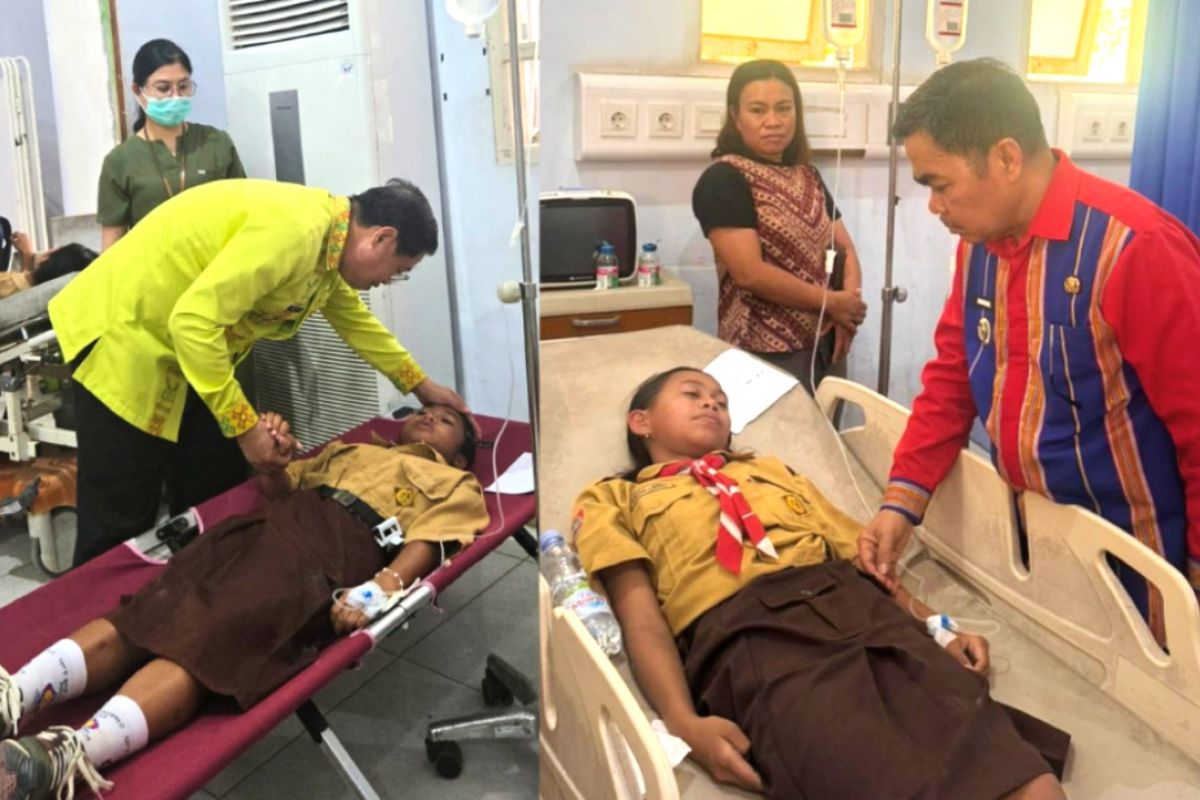
Jakarta (ANTARA) - Food poisoning can occur after someone consumes contaminated food or drink. Nausea, vomiting, diarrhoea, stomach pain and fever are among the common symptoms.
Complaints usually appear within hours to several days after consuming the food that was the source of contamination. Most cases improve with home care, but the loss of large amounts of fluid through vomiting and diarrhoea must be watched closely, as it can lead to dehydration.
If several people experience similar complaints after eating together, the following first aid measures can be taken.
- Prioritise fluid intake
Vomiting and diarrhoea cause the body to lose a great deal of fluid. Give plain water slowly, in small but frequent amounts, especially if the sufferer still feels nauseous.
Do not force drinking large amounts at once, as this can trigger vomiting again.
- Use oral rehydration solution if needed
Oralit, or oral rehydration solution, can help replace the fluids and electrolytes lost through vomiting or diarrhoea.
The solution should be prepared and consumed according to the instructions on the packaging. If the sufferer has certain health conditions or suffers severe dehydration, medical treatment is required.
- Return to eating gradually
Once the nausea begins to subside, the sufferer can resume eating according to their ability. Choose small portions of food that are easy for the body to tolerate.
Overly fatty or spicy foods should be avoided temporarily if they make the complaints worse.
- Get adequate rest
The body needs time to recover after experiencing vomiting or diarrhoea. Therefore, the sufferer should rest and avoid forcing themselves to carry out heavy activities.
- Avoid drinks that can worsen diarrhoea
For the time being, avoid alcohol, caffeinated drinks, fizzy drinks and very sweet drinks. Some of these beverages can make digestive complaints more uncomfortable or worsen diarrhoea.
- Do not take anti-diarrhoeal medication carelessly
Medication to stop diarrhoea is not always suitable for everyone. Its use requires caution, especially in children or when the diarrhoea contains blood or is accompanied by severe symptoms.
Antibiotics should also not be taken indiscriminately, as some cases of food poisoning are caused by viruses or can improve without antibiotics. Medical treatment depends on the cause and the condition of the sufferer.
- Watch for signs of dehydration
Dehydration can be marked by excessive thirst, a dry mouth, darker urine or reduced urine output, dizziness when standing, extreme fatigue, and confusion in more severe cases.
If several people develop symptoms after eating the same food, the food suspected of being the source of the problem should no longer be consumed. Keep a record of the food eaten and the time symptoms appeared, as this can help health workers identify the likely source of the incident.
When should you see a doctor immediately?
Food poisoning cannot always be managed at home. Medical help is needed if the sufferer vomits continuously and is unable to keep fluids down, shows signs of dehydration, has bloody diarrhoea, suffers severe abdominal pain, or if their condition deteriorates.
Vomiting blood, confusion, difficulty breathing, loss of consciousness or signs of severe dehydration are also conditions requiring immediate medical attention.
In young children, the elderly, and people with weakened immune systems or certain illnesses, the risk of complications from fluid loss can be higher. Therefore, treatment should not be delayed if worrying symptoms appear.