
Seven Diving Spots in Nusa Penida Where You Can See Manta Rays and Sunfish
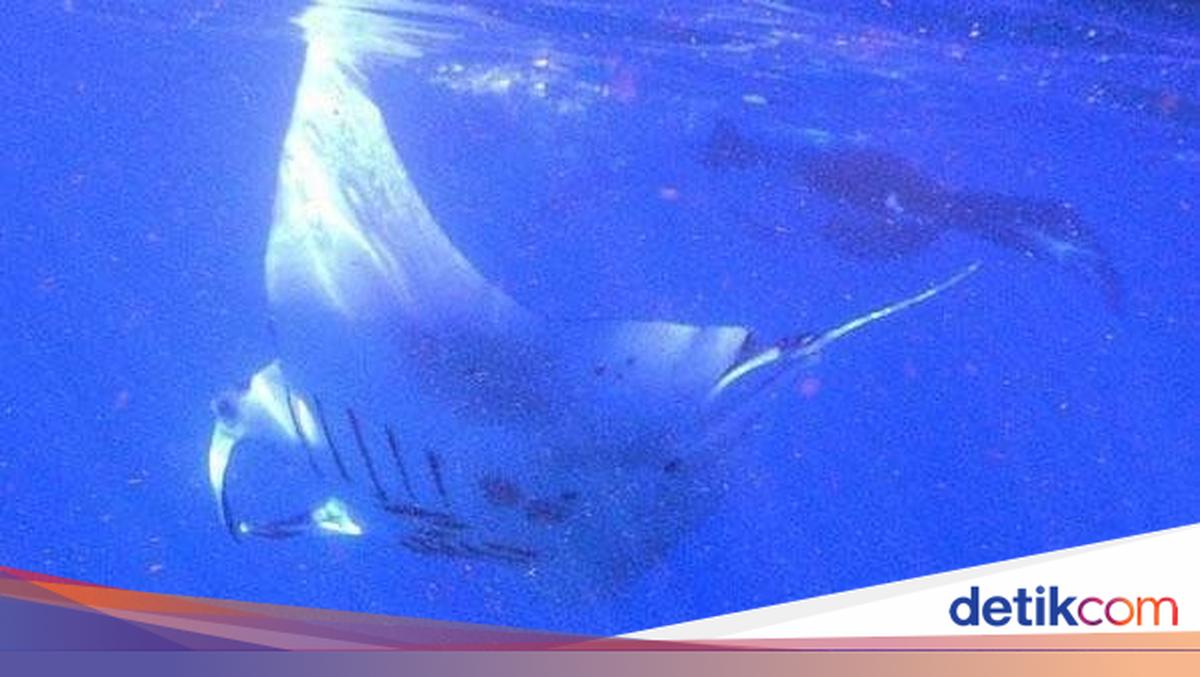
Nusa Penida, in Klungkung Regency, Bali, is known for the Kelingking Beach cliffs and the blue waters of Broken Beach. But the island, southeast of Bali, also has an inviting underwater world to explore, from swimming with manta rays and whale sharks to seeing coral reefs and tropical fish.
The area’s diving spots each have different characteristics. Some are known for manta ray sightings, while others are popular for seeing sunfish, turtles and a variety of marine life. However, currents at some locations can change quickly, so the choice of site should take into account swimming ability, diving experience and sea conditions.
For those planning to explore Nusa Penida’s underwater beauty, here are seven recommended diving and snorkelling spots to add to the itinerary.
1. Manta Point
Manta Point is one of Nusa Penida’s most popular spots, particularly for visitors hoping to see manta rays up close. It is on the island’s south-west coast and can be reached by boat from departure points on Nusa Penida or through marine-tour packages operating in the surrounding area.
The main attraction is the manta rays often seen swimming near natural cleaning stations. The large fish visit certain spots to be cleaned by smaller fish. Divers may also encounter reef fish and other rays.
Diving depths at Manta Point vary. The shallower areas are around 5–10 metres, while some sections reach more than 20 metres. Snorkellers can observe marine life from the surface without diving to those depths.
Diving or snorkelling packages can be booked through marine-tour operators or dive centres serving Nusa Penida. Choose a package that clearly lists Manta Point as a destination. Before setting off, ask about the pick-up point, equipment provided and whether conservation fees are included.
A one-dive package at Manta Point costs an estimated Rp 500,000–Rp 800,000 per person, according to Traveloka references. Snorkelling prices may vary depending on duration, the number of sites and the facilities offered.
2. Crystal Bay
Crystal Bay is a favourite spot for enjoying Nusa Penida’s clear waters. As well as an attractive beach, the area offers underwater scenery with coral reefs and a variety of tropical fish.
The site is also known as a place to look for sunfish, particularly during their usual season, from around July to October. However, sightings are not guaranteed on every dive.
The shallower parts of the bay may be suitable for snorkelling when sea conditions allow. Diving beyond the bay presents its own challenges, as currents can strengthen suddenly. Divers should not choose their own route without taking sea conditions and a guide’s advice into account.
Depths at Crystal Bay range from about 5–10 metres in shallow areas to 40 metres or more in deeper sections. This does not mean every area is safe for all visitors. Diving farther out and at greater depths requires suitable skills and certification.
Short snorkelling packages lasting two to three hours are reported to start at around Rp 190,000. Check prices with dive centres, as rates can change.
3. Toyapakeh
Toyapakeh is worth adding to the itinerary for those hoping to see a variety of marine life. The area has striking coral formations, underwater walls and slopes, and numerous fish swimming among the reefs.
Divers may encounter turtles, schools of fish and other marine life. Under certain conditions and at particular depths, the area is also known as a potential sunfish sighting spot.
One of Toyapakeh’s advantages is its varied underwater landscape. Visitors can explore coral beds and try drift diving, in which divers move with the current. Currents can range from moderate to strong, however, so the difficulty should be assessed according to the conditions at the time.
Diving depths vary from around 6 metres in some areas to 40 metres in deeper sections. Visitors can book through a dive centre on Nusa Penida or an operator offering Toyapakeh packages. Tell the operator how experienced you are so they can choose a suitable dive site. Beginners should ask whether an introductory dive with an instructor is available.
A single dive costs around Rp 300,000–Rp 500,000 per person. Confirm the rate with the operator, as packages with full equipment or multiple dives may cost more.
4. SD Point
SD Point is an appealing site for seeing coral reefs and marine fish off Nusa Penida’s north coast. Its name is often associated with the presence of a school or school building near the coast.
The site’s main attraction is its expanse of coral reef, which provides a habitat for various tropical fish. Divers may also see turtles and other marine life. Diving at SD Point can reach about 20 metres in commonly explored areas, although shallower and deeper sections are also found. Currents are not always calm and can change direction, so visitors should follow their guide’s instructions.
Operators charge around Rp 750,000–Rp 3,000,000 per person for a single dive. Prices may vary depending on the depth of the site, departure arrangements and the diver’s certification.
5. Gamat Bay
Gamat Bay offers a sheltered-bay setting and attractive underwater scenery for divers looking to explore coral reefs and search for smaller marine creatures. It is in western Nusa Penida and can be reached by boat with a diving operator.
The bay’s strength lies in its varied marine life. Alongside coral reefs, it is known as a place to look for turtles, colourful nudibranchs, or sea slugs, and various reef fish. Divers may also encounter rays and sunfish under certain conditions.
Depths in the bay start at around 5–8 metres, while its underwater slopes and walls can reach about 40 metres. These different conditions make it important to select a suitable dive site, especially for less experienced visitors.
Trips can be booked through dive centres on Nusa Penida. Before choosing a package, ask whether the operator offers dives in the shallower bay or on the deeper slopes. The site should be chosen according to certification, ability and current conditions during the visit.
There is no fixed rate for Gamat Bay. As an initial guide, budget around Rp 500,000–Rp 1,000,000 per person for a single-dive package, then confirm the actual price with the operator. This is an estimated budget, not an official Gamat Bay tariff.
6. Malibu Point
Malibu Point is on the eastern side of the island and is known for currents that can be quite strong, as well as varied underwater scenery. Divers may encounter large fish, schools of fish, rays and other marine life. Sunfish may also be seen under certain conditions. The attraction is the experience of diving in more open water, with the chance to encounter a variety of marine animals.
Some parts of Malibu Point reach depths of around 40 metres. The site is therefore better suited to experienced divers. Visitors should consider their diving ability and follow their guide’s advice.
According to prices listed on scubacenterasia.com, a dive costs around Rp 1.8 million for certified divers and Rp 2.3 million for non-certified divers. Confirm the rates directly with the operator, as they may cover a specific package.
7. Ped
Ped is an appealing alternative for visitors seeking to explore the underwater life off Nusa Penida’s north coast. The area is known for coral reefs extending along an underwater slope and for the many fish that inhabit its waters.
One of Ped’s attractions is the opportunity to experience drift diving. Divers may encounter schools of fish and have the chance to see turtles, barracuda, sunfish and other marine life in more open water. The ideal diving depth is around 18–20 metres, although some sections are deeper.
No price for a single dive was found. Visitors can budget an estimated Rp 500,000–Rp 2,000,000. This is a general guide, typically covering diving packages in Nusa Penida.
How to get to Nusa Penida
The most practical way to reach Nusa Penida from Bali is by fast boat departing from Sanur Harbour. The sea journey takes around 45 minutes, with one-way fares starting at Rp 80,000 for Indonesian ID-card holders. International visitors should budget around Rp 170,000–Rp 215,000.
The first departures generally begin at 6.30 am Central Indonesia Time, while the last service is at around 5 pm. Alternatively, the crossing from Kusamba Harbour takes about 25–30 minutes. Visitors are also charged a regional levy of Rp 25,000 per person on arrival at the port.
Travelling from Denpasar to Sanur Harbour takes around 20–30 minutes by vehicle. Including the crossing, the journey from Denpasar to Nusa Penida usually takes less than 1.5 hours, depending on traffic and waiting times.
Dozens of fast-boat services run from Sanur to Nusa Penida each day. One of the main arrival ports is Banjar Nyuh, in the Toyapakeh area. Visitors are advised to book tickets in advance, especially during holiday periods, to secure a suitable departure time.
Another option is to travel by ferry or Roro vessel from Padang Bai Harbour. This is suitable for visitors who want to bring their own vehicle, such as a motorbike or car. However, the crossing takes longer—around 90 minutes or more—and services are less frequent.
For a practical journey that saves time, the fast boat from Sanur Harbour is the main choice for travelling to Nusa Penida.
Source: jawawa.id (https://jawawa.id/newsitem/seven-diving-spots-in-nusa-penida-where-you-can-see-manta-rays-and-sunfish-1793555447)
Originally published by detikBali (https://www.detik.com/bali/wisata/d-8733735/7-spot-diving-di-nusa-penida-bisa-bertemu-pari-manta-hingga-mola-mola), translated from Indonesian