
Setu Babakan Holds Cultural Arts Festival to Welcome Jakarta's 499th Anniversary
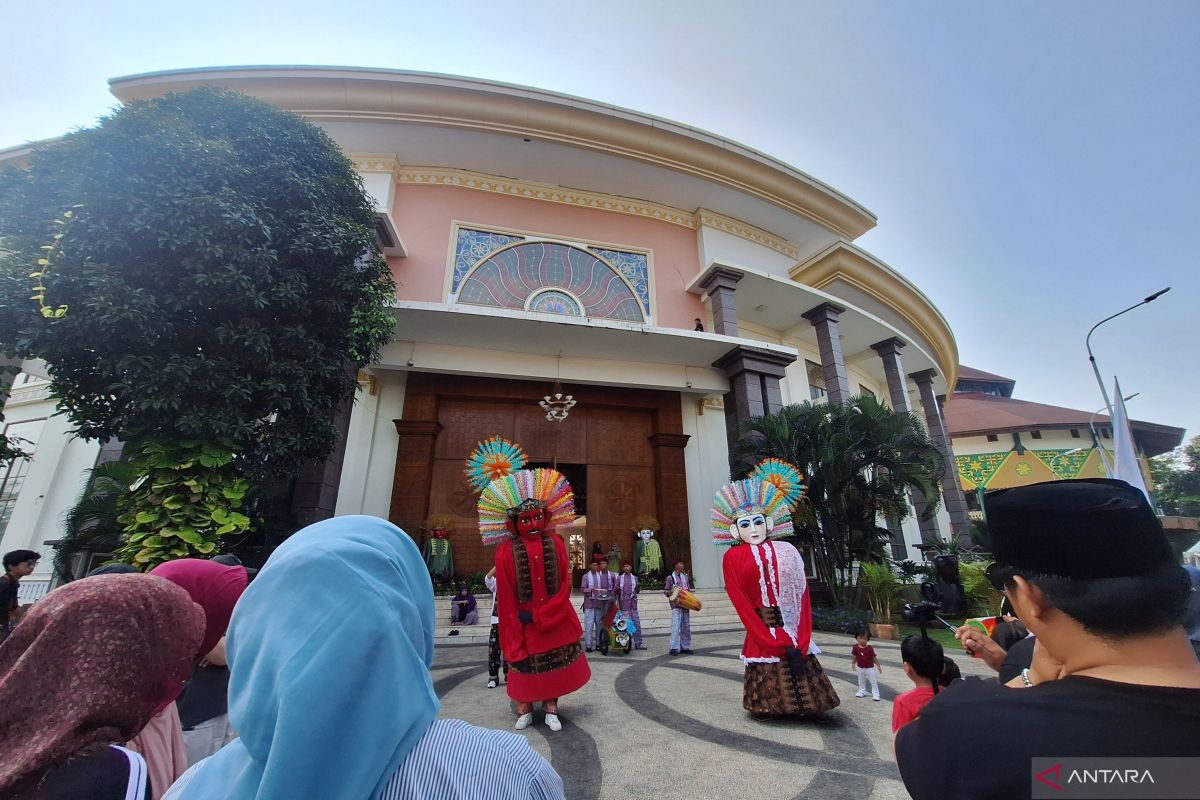
The Management Unit of the Betawi Cultural Village (UPK PBB) Setu Babakan is holding the Setu Babakan Cultural Arts Festival 2026 to welcome the 499th Anniversary of Jakarta City. The event takes place on Saturday from 09.00 to 22.00 WIB. Head of the UPK PBB Setu Babakan, Debby Novita Andriani, stated that the activity serves as a cultural celebration space presenting a variety of traditional Betawi arts, a culinary bazaar, and collaborative performances that revive Betawi arts which are rarely performed nowadays. Throughout the event, visitors will be treated to various typical Betawi performances, including Dynamic Ondel-ondel, Tanjidor, Gambang Kromong Music, Betawi Dance, and Sahibul Hikayat, a traditional oral heritage of the Betawi community. In addition to art performances, the festival also features 40 culinary bazaar tenants offering a range of typical Betawi foods and beverages as well as Nusantara cuisine. The presence of this bazaar is expected to support MSME players while introducing the rich flavours of Betawi to the wider public. The peak of the event will be closed with a Betawi comedy performance titled ‘Tempoh Ayunan’, featuring renowned Betawi artists such as H. Mandra, Opick Kumis, and Mpo Munaroh. This performance not only carries typical Betawi comedic elements laden with social criticism and local wisdom but is also packaged as a cross-traditional art collaboration that brings back various Betawi art forms that are now becoming rare. Through ‘Tempoh Ayunan’, the audience will be invited to witness a blend of Betawi theatre arts with various traditional arts such as Rebana Biang, Gamelan Ajeng, Uncul, Betawi Mask Art, and Betawi Silat. Most of the art forms showcased at this festival are types of art that have been designated as Intangible Cultural Heritage by the Ministry of Culture of the Republic of Indonesia. This collaboration is a tangible form of revitalisation efforts for traditional arts that hold high historical value in the development of Betawi culture. Therefore, the management conveyed that organising this activity is part of a commitment to maintaining the sustainability of Betawi cultural heritage amidst the changing times. ‘The Setu Babakan Cultural Arts Festival is not merely a celebration of Jakarta’s anniversary, but also a momentum to strengthen Betawi cultural identity as the original culture of Jakarta,’ she said. According to her, activities like this are very important to continue being held because they become a space for preservation, regeneration, education, and appreciation for art practitioners and the wider community. Through the festival, it is hoped that a meeting space between tradition and the current generation will be created, so that Betawi culture is not only remembered as a heritage of the past but also continues to live, develop, and remain relevant in modern society.