
Service Transformation Key to Boosting Public Trust and Rail Travel Interest
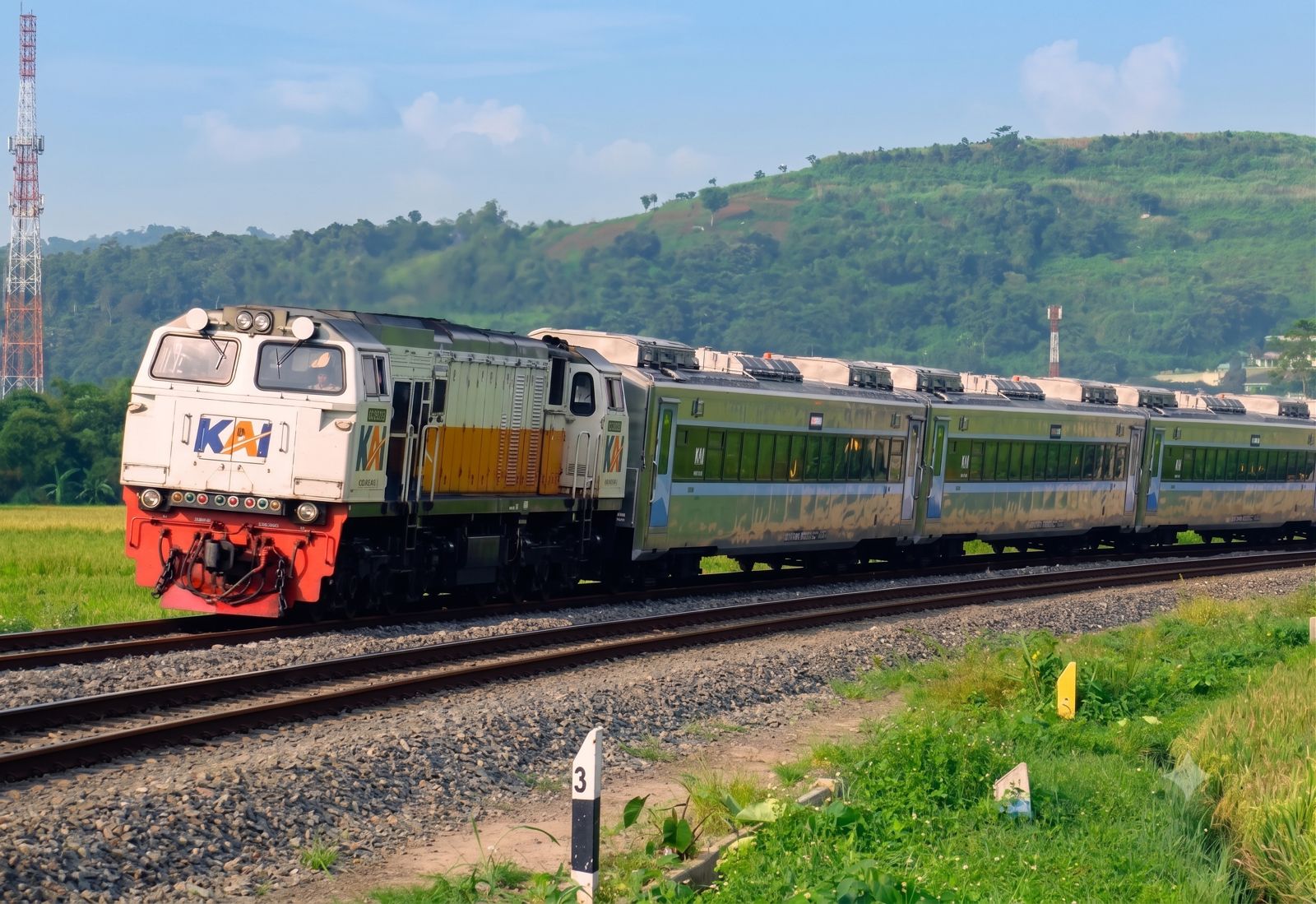
Service transformation is a key factor in enhancing the competitiveness of public transport in Indonesia. Amidst the public’s growing need for safe, comfortable, and efficient transport modes, customer experience has become the main determinant in building trust and encouraging more people to switch to mass transit. PT Kereta Api Indonesia (Persero), or KAI, is one public transport operator that continues to make improvements through service digitalisation, enhanced operational standards, and a strengthened customer experience (CX). Djoko Setijowarno, an academic and land transport observer, assessed that the success of railway service transformation is determined not only by infrastructure modernisation but also by the ability to deliver increasingly easy and comfortable services for users. “At the beginning of its implementation, the use of data-based technology raised concerns regarding personal data protection. However, over time, the public began to accept these innovations because the benefits could be felt directly, from the ticket purchasing process to station access, which has now become more seamless,” Djoko said in a recent podcast. According to him, public trust in public transport is also reflected when fare adjustments occur. Even if prices rise due to certain factors, customers remain willing to use the service because they consider the quality of service provided to be commensurate with the cost incurred. The commitment to customers is also realised through various policies prioritising passenger interests, including full refunds when journeys are cancelled and continuous service quality improvements. “This consistency has made KAI’s relationship with customers closer. KAI is no longer seen merely as a transport service provider but has evolved into a lifestyle brand,” he said. This view was reinforced by travel content creator Taufik Effendi, who has tried railway services in 24 countries. According to him, one of KAI’s main advantages is its willingness to listen to customer feedback. “I once reviewed the luxury class service and criticised the food menu. KAI immediately contacted me to ask for further input as evaluation material,” Taufik said. He assessed that the quick response shows customer criticism is genuinely used for service improvement. An open attitude towards feedback makes customers feel valued and increases their trust in the company. Furthermore, his experience using trains in various countries led Taufik to conclude that KAI’s service excels in punctuality, security, staff friendliness, and a well-organised boarding system that provides a sense of safety for passengers. He believes that consistently delivering a positive travel experience is crucial capital for public transport to maintain customer loyalty. “Even when operational disruptions occur, many users still offer support because they trust the operator is continuously striving to improve service quality,” he explained. He concluded that this transformation demonstrates the success of public transport does not solely depend on infrastructure development or technology adoption. “Consistent, responsive, safe, and comfortable service is the main factor in building public trust, making public transport an increasingly popular choice for daily mobility,” he said.