
Sertung Island loses its green hue
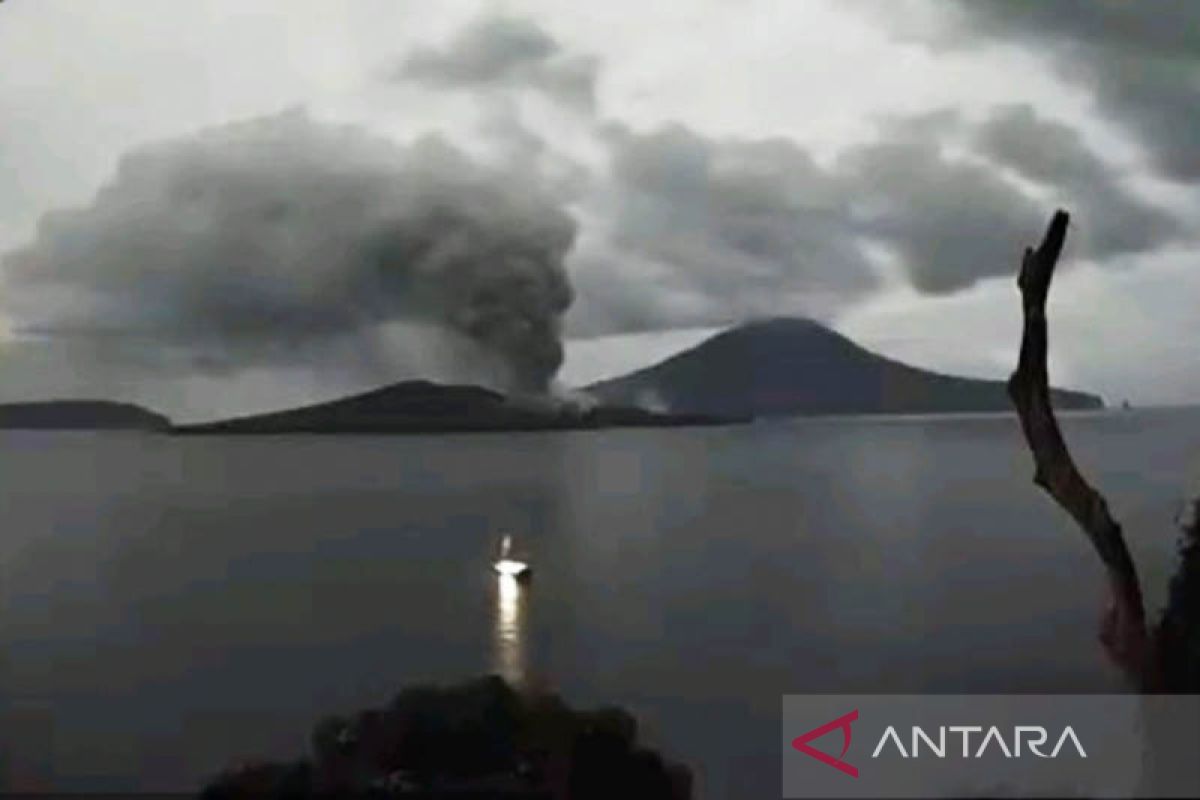
Satellite imagery has once again demonstrated how volcanic processes can reshape the surrounding environment. Sertung Island is no longer green. The island, located to the west of Mount Anak Krakatau, appeared green a month ago but has now turned grey to brownish when viewed via the Sentinel-2 satellite.
This striking change was observed by the satellite two days after the intensive eruption of Anak Krakatau between 4–6 September, leaving traces that extend beyond just ash columns and volcanic ejecta.
A comparison between images from 8 August and 8 September shows a strong contrast. Before the eruption, vegetation covered most of Sertlag’s surface. Following the eruption, the green hue has almost vanished. Pulau Panjang, to the east of Anak Krakatau, still maintains relatively clear vegetation, while Rakata to the south also shows changes, though not as severe as Sertung.
The difference between the islands is noteworthy, providing an illustration that the impact of Anak Krakatau’s eruption does not spread with equal intensity in all directions. In a very short period, the surface of an island that has long been covered in vegetation can undergo large-scale transformation.
The frontline island
Sertung covers an area of approximately 1,057 hectares and is situated only about four kilometres west of Anak Krakatau. Formerly known as Verlaten Island, it is a vital part of the Krakatau complex.
Its geological history is even older than that of Anak Krakatau. Along with Pulau Panjang, Sertung is part of the remnants of the old Krakatau caldera system. Subsequent volcanic centres, including Rakata, Danan, and Perbuwatan, emerged to form Krakatau Island before the massive 1883 eruption drastically altered the region.
Its position extremely close to Anak Krakatau places Sertung on the frontline whenever the volcano erupts. Since Anak Krakatau emerged and developed in the late 1920s, the island has repeatedly received volcanic material from eruptions.
Satellite imagery now once again shows how volcanic processes can reshape the surrounding environment. The green signal has disappeared.