
Series of Islamic Boarding Schools Implementing Child-Friendly Parenting Approaches
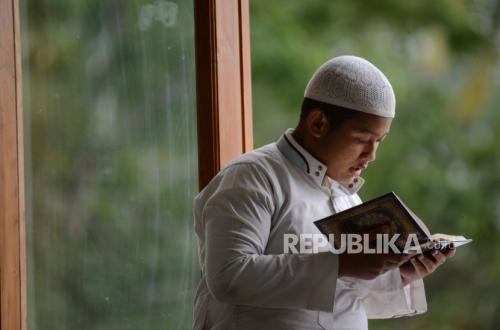
In the midst of spotlight on several cases of violence in Islamic educational environments, Indonesia’s Ministry of Religious Affairs (Kemenag) has revealed an interesting fact. In fact, there are still many pesantren in Indonesia that have truly implemented best practices in child-friendly parenting patterns and education without violence.
Director of Pesantren at Kemenag RI, Basnang Said, stated that the world of pesantren possesses a rich treasury of values in building the manners and morals of the nation’s generation. The current challenge is to adapt these values with modern child protection principles.
“Pesantren has a very rich heritage treasury in building manners and morals. Today’s challenge is how these values can continue to be implemented with an approach that aligns with child protection principles, thus giving birth to a civilised educational ecosystem without violence,” said Basnang on Thursday (7/6/2026).
While leading a meeting to resolve violence cases in Pati recently, Basnang explained that the good practices developing in various pesantren need to be continuously maintained and developed so that pesantren remain the safest space for shaping santri character.
“Good practices that have developed in thousands of pesantren must continue to be maintained and contextualised with current challenges so that pesantren continue to become the safest growing space for shaping santri character,” he said.
Kemenag records that several pesantren in various regions have developed empathy-based parenting patterns, mentoring, and positive discipline.
For example, at Pondok Pesantren Lirboyo, the formation of manners is carried out through a strong relational approach between the kiai and santri. Meanwhile, Pondok Pesantren Tebuireng integrates formal education with child protection through counselling services.
Pondok Pesantren Darunnajah and Pondok Pesantren Al-Amien Prenduan apply persuasive communication and intensive mentoring in santri character building.
In West Java, Peacesantren Welas Asih and Pondok Pesantren Nurul Huda Cibojong develop peace education based on compassion with emphasis on empathy and non-violent conflict resolution.
Meanwhile, in eastern Indonesia, Pesantren As’adiyah prioritises spiritual development through exemplary conduct and emotional closeness between the kiai and santri. Pondok Pesantren Anwarul Quran applies a tahfidz approach based on child psychology as well as positive disciplining.