
Seribu Bacang and Egg-Standing Tradition Enliven Cap Go Meh Celebration in Bogor
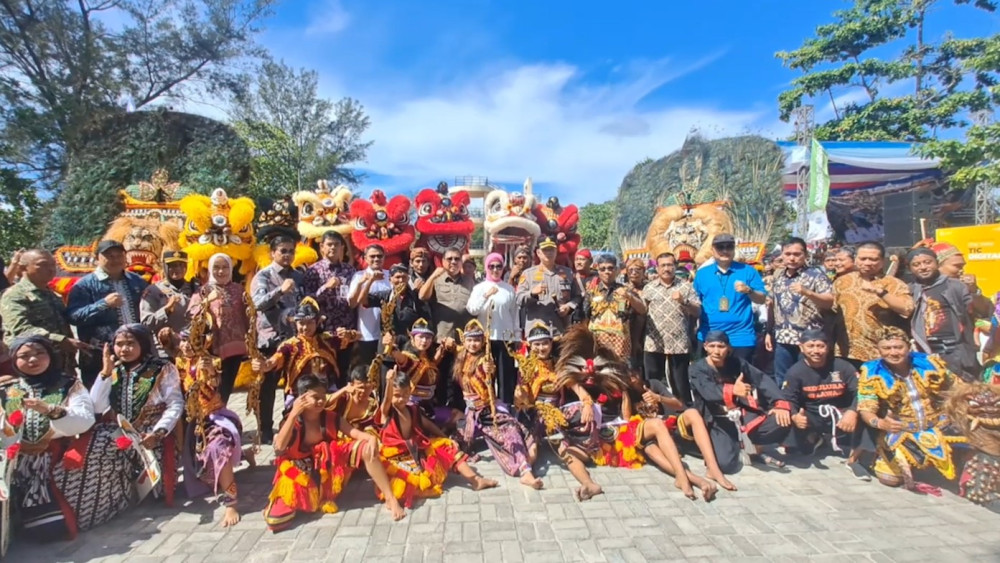
The Cap Go Meh celebration at the Hok Tek Bio temple in Bogor City, West Java, was enlivened with the tradition of making a thousand bacang and standing eggs upright, which serve as a cultural and tourism attraction for the area. The Chairman of the Cap Go Meh Committee at Hok Tek Bio temple, Wawan Setiawan, stated that the tradition of making a thousand bacang has been carried out for years as a symbol of the fifteenth day of the Chinese New Year celebrations. “The thousand bacang are distributed free of charge to the community, regardless of their background, as a form of tolerance and sharing joy with others,” Wawan said in Bogor on Wednesday. He explained that bacang is a typical Chinese dish made from glutinous rice filled with meat and wrapped in bamboo leaves, shaped like a triangle. The process of making a thousand bacang involves many volunteers from various backgrounds who work together to prepare, wrap, and cook them before distribution. In addition to the bacang tradition, the egg-standing ritual also attracted the attention of residents who came to the temple. This tradition involves attempting to stand a chicken egg upright on a flat surface, which is believed to be easier to achieve during Cap Go Meh due to the earth’s gravitational balance. “This is a unique tradition that is always eagerly awaited. Many residents, including non-Chinese, try to stand eggs as a form of entertainment and curiosity,” Wawan added. The event was also attended by the Acting Mayor of Bogor, Hery Antasari, who appreciated the cultural activities that strengthen interfaith and interethnic harmony in Bogor City. “This is an extraordinary cultural wealth. Traditions like this not only preserve heritage but also boost local tourism and the economy,” said Hery Antasari. The Cap Go Meh celebration at Hok Tek Bio temple was lively, featuring various other activities such as lion dance performances and prayers for safety and prosperity.