
Serbia, a Candidate Drifting Away from Europe
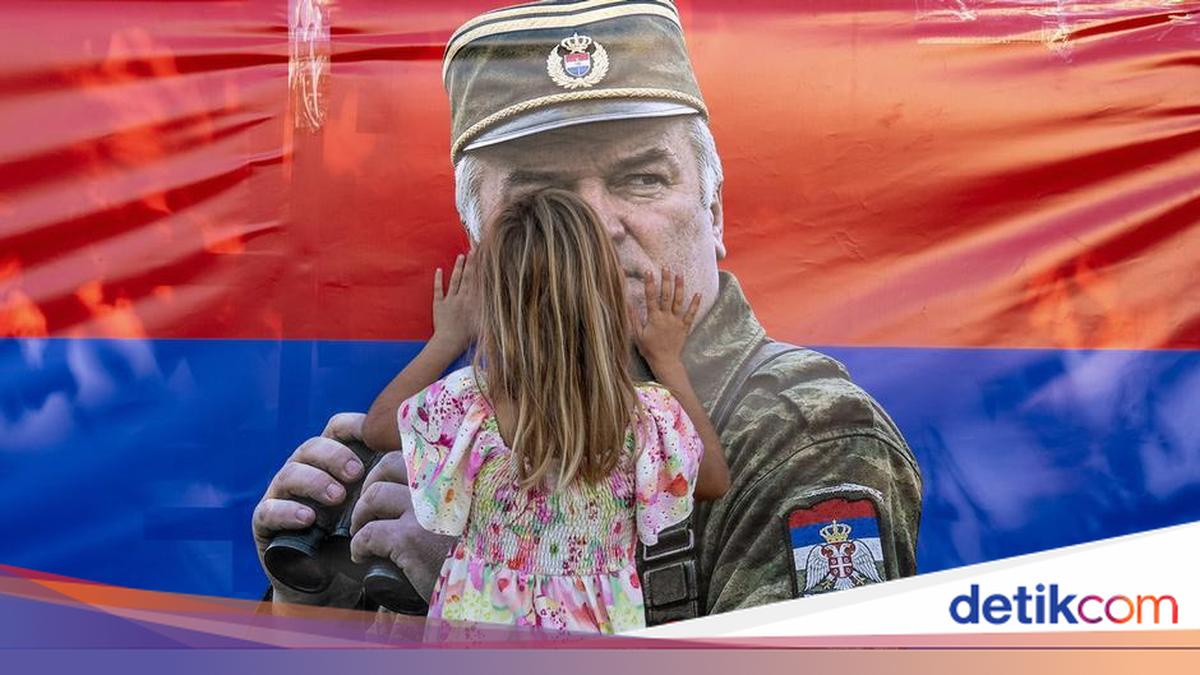
The state-facilitated funeral of Ratko Mladic in Belgrade this week has raised urgent questions in Brussels: what happens if an EU candidate country glorifies a war criminal as a hero? For many, the Mladic case demonstrates that Serbia’s membership process is not merely stalled, but no longer possesses sufficient political support.
“The European Union has treated Serbia as a normal candidate for too long,” Engjellushe Morina of the European Council on Foreign Relations told DW, even as Belgrade continues to regress in democracy and the rule of law. Naim Leo Besiri from the Institute for European Affairs Serbia added: “Over the last five years, the ruling government in Serbia has failed to implement anything promised in the reform agenda.”
Drifting Away from Europe
Both experts pointed to Belgrade’s refusal to join EU sanctions against Russia. Democratic standards have also declined under nationalist President Aleksandar Vucic, while relations with Kosovo remain tense.
Ratko Mladic, who was sentenced to life imprisonment by a UN court for genocide, crimes against humanity, and war crimes, was buried in Belgrade on Monday (8/9) with military honours and attended by government representatives. President Vucuit did not attend personally but facilitated the transport of the remains and the funeral, and defended the public mourning process.
Brussels reacted with harsh tones. European Commission President Ursula von der Leyen described the Serbian government’s role in Mladic’s funeral as shocking. European Council President Antonio Costa condemned the glorification of a war criminal. Commissioner for Enlargement Marta Kos even cancelled her visit to Serbia.
Is the EU Too Soft?
However, for Morina and Besiri, the EU’s response is insufficient. Both assess that Vucic has been given too much leeway to flirt with Russia for too long. In their view, Vucic has been regarded as a key partner for maintaining stability in the Western Balkans and keeping Serbia aligned with the West, despite ignoring fundamental European values.
Besiri stated that Serbian civil organisations have warned Brussels for years about the deteriorating situation regarding media freedom, the rule of law, and democratic institutions. However, according to him, the European Union has largely turned a blind eye.
Economic ties show the strength of the bond between the EU and Serbia. The EU is the largest trading partner, investor, and financial donor for Serbia. Politically, however, Serbia is instead building close partnerships with Moscow.
Consequently, one of the reasons frequently cited for maintaining relations with Serbia is the fear that greater pressure would instead push Belgrade closer to Russia or China.
Aligning with Moscow
Morina admits that isolating Serbia would be dangerous. However, in her view, there is another option between continuing to compromise and abandoning the relationship entirely. The EU must remain engaged with Serbian society while forcing Vucified to make a clear political choice, she said.
Besiri argued that Russia and China could never replace the European market. In his view, Vucic uses both countries as a threat to prevent Brussels from taking firmer action.
Both researchers see a strategy behind the current approach: Vucic gains benefits from cooperation without implementing the necessary reforms, while Brussels can continue to claim that Serbia remains tied to Europe.
The Limits of Financial Pressure
The European Union is not entirely passive. Brussels has begun to exert financial pressure. Further payments through the Growth Plan for the Western Balkans have been withheld due to concerns regarding judicial independence.
Besiri doubts this move will change Vucic’s political calculus. Widespread funding cuts, according to him, could actually harm the public more than the political elite. He urged more targeted measures against those responsible for the decline of democracy and the misuse of state institutions.
Can Elections Bring Change?
The early parliamentary elections on 25 October could test Vucic’s political strategy. After 12 years as president, he seeks to continue dominating Serbian politics by becoming the next Prime Minister.
Besiri noted that the opposition in Serbia remains fragile. “It is very difficult to win democratically in an undemocratic election.”
Neither expert expects a single election to restore Serbia’s institutions or fundamentally alter its relationship with the European Union.
Reconciliation Remains Distant
Reconciliation in the region appears even more distant. According to Besiri, Serbia must first acknowledge its role in the 1990s wars and accept the established facts regarding the crimes committed. Conversely, a narrative that positions Serbs solely as victims remains deeply rooted in Serbian politics, education, and media.
“What has happened recently is essentially the reverse of everything that has been built over the years,” said Morina.
Regarding Mladic’s funeral, she added, it was not the cause of this development. The event merely demonstrated once again how far Serbia currently is from both regional reconciliation and European Union membership.