
Serang Regency Marks 500th Anniversary with ‘Happy Serang’ Theme
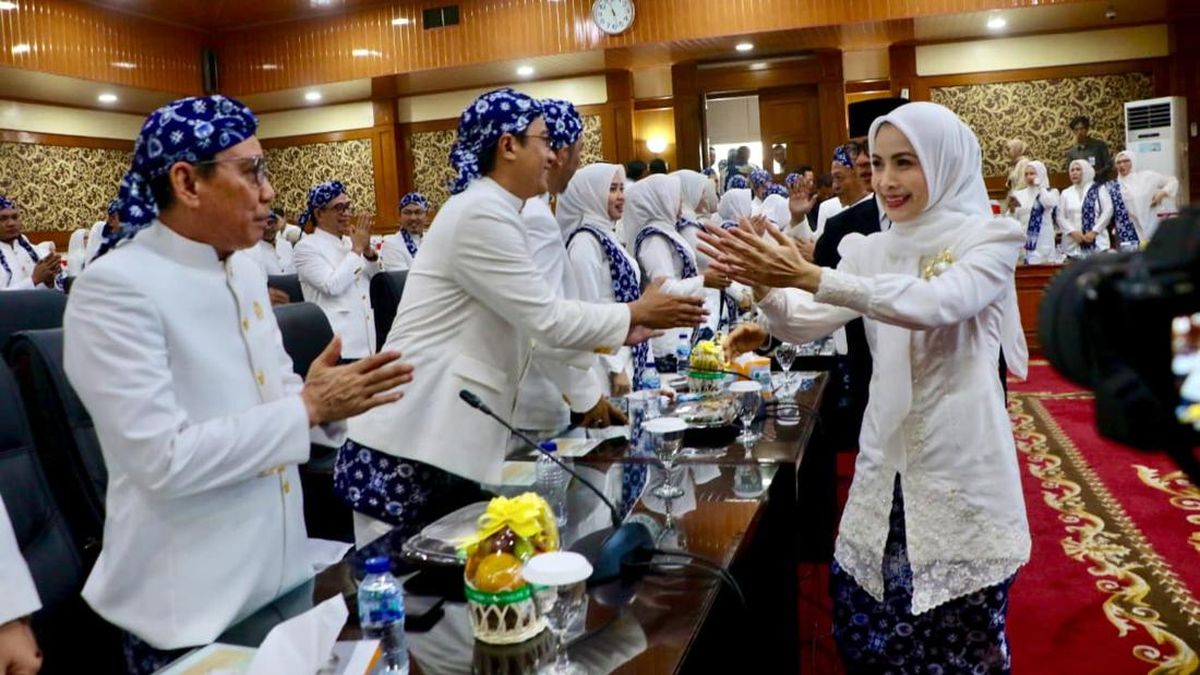
Serang Regency celebrated its 500th anniversary on Thursday, 8 October 2026. A range of events marked the five-century milestone, including a special plenary session of the Serang Regency Council (DPRD).
The session was attended by Serang Regent Ratu Rachmatuzakiyah, Deputy Regent Najib Hamas, DPRD Speaker Bahrul Ulum, Serang Regency officials, invited guests and Village and Disadvantaged Regions Minister Yandri Susanto.
In her address, Ratu Zakiyah said the five-century milestone made the anniversary a historic occasion.
“Five centuries is not merely a number, nor is it just a ceremony. Five centuries represent a long journey marked by steadfastness, sacrifice, achievement, prayer and exemplary conduct,” Ratu said in a written statement.
The 500th anniversary carries the theme “Five Centuries Moving Together Towards a Happy Serang”.
Ratu said the theme affirmed that development must bring tangible happiness to people’s lives.
“‘Happy Serang’ is our commitment to ensuring children receive a quality education, mothers and babies have access to safe healthcare, poor families are protected, and young people have skills and jobs,” she said.
At the age of 500, the Serang Regency Government remains committed to pursuing its predecessors’ aspirations of making the regency a happy place.
Ratu outlined a range of programmes. In healthcare, these include health-insurance facilities for people on low incomes, free health checks for 559,770 people, the renovation of four community health centres (Puskesmas) and construction of one, as well as support for pregnant women, improved nutrition and stunting prevention.
In education, scholarships have been provided to 1,866 primary-school pupils and 1,228 junior-secondary pupils, as well as 253 teachers. Incentives for 20,445 madrasah and Qur’an teachers have been increased by 50 per cent, alongside school revitalisation and efforts to strengthen religious education through Qur’an literacy training and the development of a local-content curriculum.
Poverty-reduction measures include productive-economy business assistance of Rp2.5 million per recipient, reaching 1,396 residents, and 30 Joint Business Group packages worth Rp15 million each.
“We also addressed 457 uninhabitable houses in 2025 and 2,400 in 2026, provided skills certification for 1,529 residents, and served jobseekers and placed 10,219 workers through job fairs and employment exhibitions,” Ratu said.
She said the regency government had also strengthened Merah Putih Village Cooperatives by training 813 micro-business operators and 652 managers and supervisors across 326 villages.
Other initiatives include developing coastal areas and Merah Putih fishing villages, supporting 55 fishing groups, training 430 residents in fish farming, providing BPJS Employment coverage for 200 vulnerable fishers, and developing Merah Putih fishing villages.
In environmental management, the regency has established 24 new waste banks and one central waste bank, added nine roll-on/roll-off waste trucks and 64 containers, partnered on a waste-to-electricity project, and improved 10.06 hectares of slum areas.
Infrastructure work includes reconstructing and rehabilitating 68 kilometres of regency roads and rehabilitating 13 bridges, improving public open spaces in subdistricts, and expanding street lighting across 20 subdistricts. The programme involved installing 555 lights along six new public roads and maintaining 1,025 street lamps.
DPRD Speaker Bahrul Ulum said the 500th anniversary was not simply an occasion to celebrate another year or the recurrence of 8 October.
“It is an opportunity to reflect on and evaluate what has been achieved in the past, what the current government leadership has done, and what must be done in the future to respond to the aspirations and hopes of the people of Serang Regency,” he said.
Bahrul said the legislature helped oversee the development process through planning. During implementation, it also conducted oversight through its committees and their respective counterparts to ensure that planned programmes were carried out and complied with applicable rules.
“Finally, in budgeting, for example, we assess which needs and priorities should be addressed. During budget discussions, every rupiah must be accounted for and must have a positive impact on the public,” he said.