
Serang City Government Expands Free Nutritious Meal Programme to Educators and Islamic Students
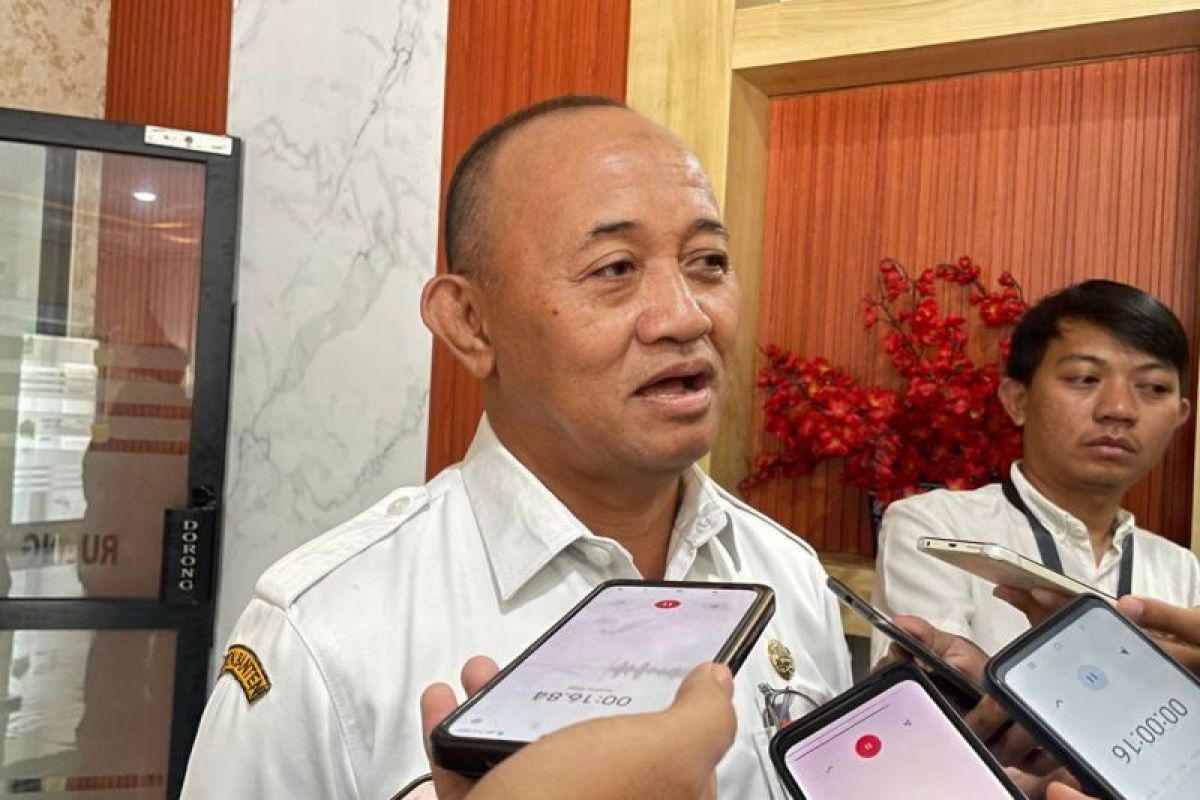
The Serang City Government in Banten is continuing to optimise and expand the reach of the Free Nutritious Meal (MBG) Programme, which not only targets hundreds of thousands of regular students but is now beginning to include teaching staff and Islamic boarding school pupils.
Assistant for Economic and Development Affairs Region II for Serang City, Yudi Suryadi, stated on Tuesday that the local government is placing significant attention on teachers by starting to include educators as targets for programme expansion. “The government has also started to include teaching staff as programme targets. Currently, 1,656 educators have received MBG benefits from one sub-district,” Yudi said.
He added that verification efforts are ongoing for Islamic boarding schools. “Some are purely boarding schools, and others also run formal education levels from primary school to junior high and senior high school. This still needs to be continuously verified,” he noted.
As of May 2026, the programme expansion has recorded very positive achievements, reaching 231,860 beneficiaries out of a total target of 239,354 people. The comprehensive coverage of MBG recipients in Serang City comprises 18,358 children from kindergartens, Raudhatul Athfal, and early childhood education centres; 82,120 students from primary schools and Islamic primary schools; 34,746 students from junior high schools and Islamic junior high schools; along with 32,922 students from senior high schools, vocational schools, and Islamic senior high schools; as well as 6,490 Islamic boarding school pupils and 55,568 B3 Group recipients.
To support the programme’s increasingly wide reach, the Serang City Government has ensured infrastructure readiness by operating 95 community kitchens. The distribution system is designed to be flexible and mutually integrated. “If a kitchen is temporarily offline, its operations are usually transferred to another kitchen so that services to the public continue running smoothly,” said Yudi Suryadi.