
Senior IRGC Adviser: Prolonging Conflict with US is a Strategy for Deterrence
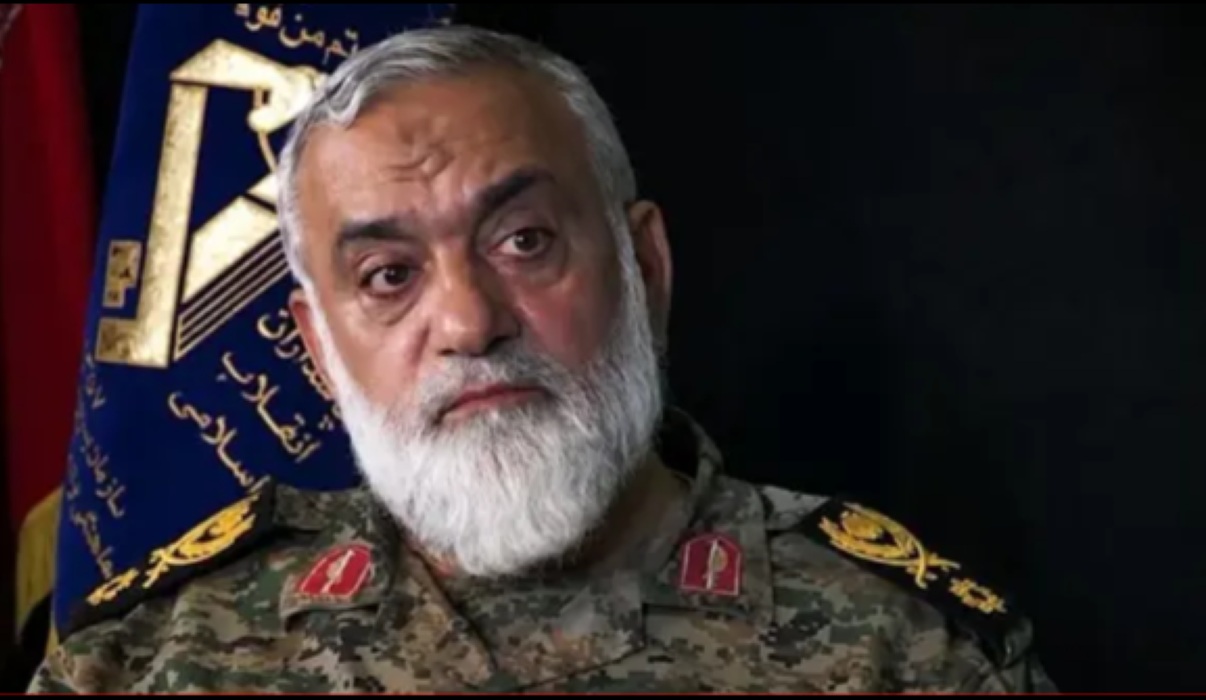
A senior adviser to the commander of Iran’s Islamic Revolutionary Guard Corps (IRGC), Mohammad Reza Naqdi, has stated that prolonging the conflict with the United States could serve as an effective strategy to prevent future attacks. He argued that a protracted confrontation would demonstrate that any military action against Tehran entails massive and sustained costs.
In an interview with PBS NewsHour, Naqdi explained that the strategy of attrition is a path to stronger deterrence. He suggested that Iran might continue the fight until the next US presidential term, aiming to convince Washington that another attack on Iran would only lead to a long and costly conflict.
Naqdi claimed that the ongoing conflict has reshaped Iran’s assessment of American military power, suggesting US forces have proven less capable than Iranian officials had anticipated before hostilities began. He asserted that months of direct confrontation have given Tehran a clearer understanding of how the American military operates.
While acknowledging that Tehran has not yet achieved its ultimate objectives, Naqdi maintained that Iran currently holds the advantage. He argued that the combat experience gained has reduced the uncertainties Iran faced at the start of the conflict, leaving its forces better prepared for a prolonged engagement.
Highlighting Iran’s capacity for sustained warfare, Naqdi pointed to the country’s missile supply as a key factor. He declined to specify stockpile numbers but claimed that Iran’s production rate of missiles exceeds the rate at which they are being used on the battlefield. This domestic production capability, he suggested, is evidence that Iran can maintain military pressure over an extended period.
Naqdi also addressed the issue of reported Iranian attacks on non-military vessels in the Strait of Hormuz. He defended such actions, arguing that shipping routes can be controlled during wartime if vessels are deemed to pose a potential security threat.
Regarding Iran’s nuclear ambitions, Naqdi rejected the notion that the country requires nuclear weapons to deter the United States. He asserted that Iran can rely on other forms of resistance, though he did not elaborate on any potential shift in the country’s formal nuclear policy.
On the reported absence of the IRGC Quds Force commander from public view during the conflict, Naqdi cited security concerns as the reason and declined to provide further information on his whereabouts.