
Senegal President Sacks Prime Minister Amid Spiralling Debt Crisis
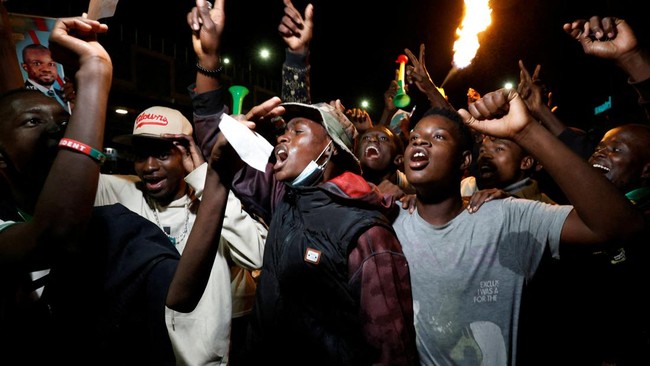
The political relationship between Senegal’s President and Prime Minister has collapsed. President Bassirou Diomaye Faye has officially dismissed Prime Minister Ousmane Sonko due to sharp differences over how to handle the nation’s debt crisis. The rift has triggered severe domestic tension by splitting the leadership authority into two camps. According to analysis by Lesley Anne Warner, a Visiting Fellow in the Africa Programme at the Carnegie Endowment for International Peace, Senegal now has two openly competing centres of power amid a critical economic situation. “This rivalry is likely to produce a combination of policy stagnation and political volatility. The adverse effects even threaten to spill over beyond Senegal’s borders,” Warner wrote in her analytical report on the geopolitical impact of the feud.
Senegal’s economic crisis has been exacerbated by a hidden debt scandal worth US$7 billion from the previous administration. This has caused the debt-to-GDP ratio to soar to 132%. Rating agencies Moody’s and S&P have already downgraded Senegal’s debt rating due to the high risk of default in financial markets. President Faye opted for a pragmatic approach by engaging in direct negotiations with the International Monetary Fund. In contrast, Sonko openly opposed the restructuring plan, calling it an affront to national sovereignty. “Sonko publicly called the debt restructuring a ‘disgrace’, opposed the finance minister’s proposal to raise fuel prices to cover an estimated US$2 billion subsidy shortfall, and sought to renegotiate oil and gas contracts,” Warner explained, describing manoeuvres deemed damaging to investor confidence.
President Faye’s move to oust his political partner did not immediately resolve the parliamentary problem. Just days after being dismissed, Sonko was elected President of the National Assembly with the absolute support of the Pastef party, which holds the majority of legislative seats. Parliament has even passed an amendment to the electoral law removing legal restrictions that barred Sonko from running for president. If this regulation is officially signed by President Faye, the path will be clear for the former prime minister to contest the 2029 Presidential Election. “If Faye refuses to sign the amendment, Sonko gains an additional grievance narrative atop an already formidable political platform against his former ally,” Warner described, highlighting Faye’s predicament. To fill the vacant government seat, President Faye moved swiftly by appointing Ahmadou Al Aminou Lo as the new prime minister on 25 May. The appointment of the former senior official of the Central Bank of West African States signals that the palace is focusing on a fiscal stabilisation agenda.
This domestic feud is expected to paralyse Senegal’s strategic role as one of the most trusted democratic anchors in the West African region. Sonko’s anti-IMF views are considered ideologically closer to the military juntas in Mali, Burkina Faso, and Niger than to the ECOWAS bloc. The government now faces a high risk of legislative deadlock over the next six months because President Faye has no legal option to dissolve parliament before December 2026. This fiscal scarcity has the potential to trigger waves of mass demonstrations by disaffected youth opposed to austerity policies. “Senegal is now a live test case of whether a government can manage political rivalry and debt restructuring without damaging the institutions that have underpinned its democratic reputation,” Warner concluded.