
Senator Mirah M Fahmid Promotes Clean Energy and Sustainable Economy in NTB
The development of renewable energy is increasingly becoming a priority in various countries, including Indonesia. Beyond its ability to reduce carbon emissions and preserve the environment, clean energy is believed to strengthen community economic resilience through more sustainable energy sources that are less dependent on global market fluctuations.
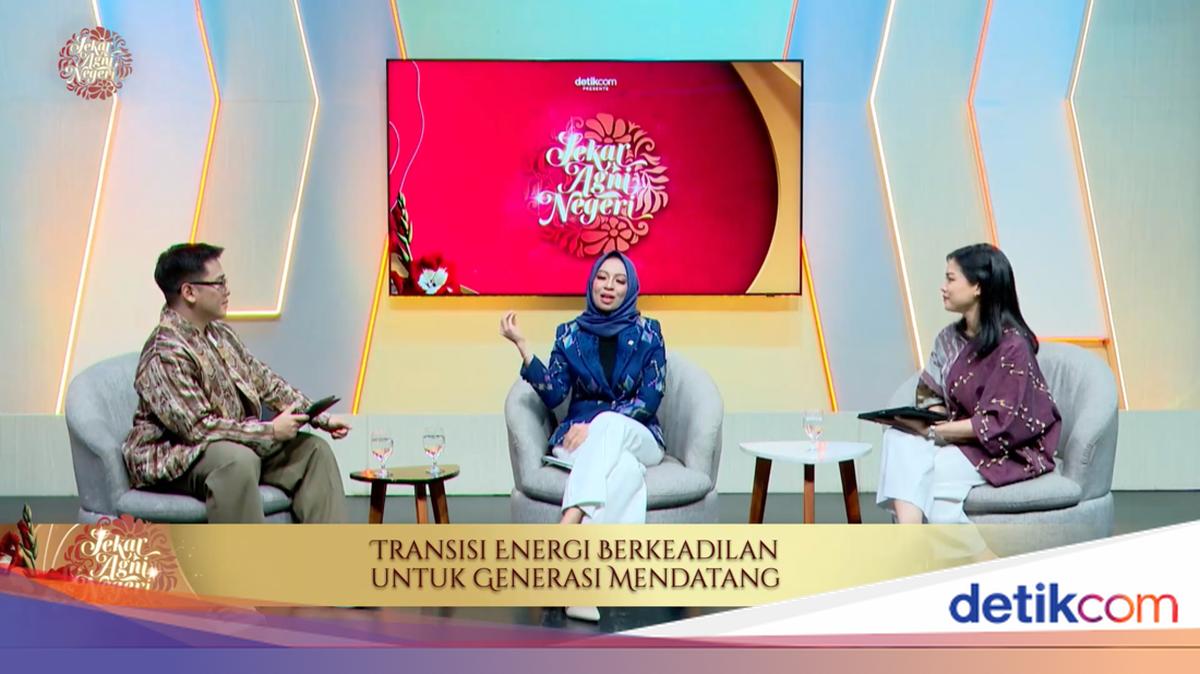
Amidst Indonesia’s efforts to develop renewable energy, Mirah M Fahlar, a member of the Regional Representative Council (DPD RI) from West Nusa Tenggara (NTB), believes the energy transition must also be viewed through its economic benefits. She shared this perspective during the ‘Sekar Agni Negeri’ programme initiated by detikcom.
“Whether it is green energy, blue energy, or whatever it is called. Blue energy pertains more to the marine sector, while for green energy, we are essentially striving to transition from fossil fuels to other renewable energies. The concept is the same as achieving Net Zero Emissions (NZE),” stated Mirah M Fahmid.
She noted that the energy transition is necessary to reduce dependence on fossil fuels, which produce high carbon emissions and potentially harm the environment. Therefore, the use of cleaner and more sustainable energy must continue to be encouraged.
She assessed that the benefits of renewable energy are felt not only environmentally but also impact the economic lives of the people. Dependence on fossil fuels, she argued, makes communities vulnerable to supply disruptions and price hikes caused by external factors.
“If we still depend on fossil fuels—for example, fishermen need diesel. If the diesel stock is unavailable, prices rise because supply is low. Ultimately, fishermen become unable to afford it, which means they cannot go to sea and, consequently, cannot provide for their families,” she explained.
Mirah M Fahmid explained that global energy supply volatility can trigger a chain reaction reaching the household level. Rising fuel prices, for instance, have the potential to increase production costs and reduce the ability of the public to carry out daily economic activities.
“Many things start from large-scale issues that may not seem directly connected to us, but they have a significant impact even at a very micro level, such as the head of a household. If diesel or fuel prices rise, those at sea struggle. This creates many negative multiplier effects,” she said.
Consequently, she is pushing for the development of more affordable and sustainable clean energy. One example is the utilisation of solar energy combined with energy storage technology to ensure optimal use.
“For clean energy, we could have, for example, floating solar power plants. We could implement small-scale floating systems. However, solar power must be balanced with batteries. Since the sun only provides optimal energy for a certain number of hours, we must have storage to ensure energy can be used at night,” explained Mirah M Fahmid.
She believes that advancements in energy storage technology open up wider opportunities for renewable energy use. In the future, such technology could potentially assist groups like fishermen in reducing their dependence on fossil fuels.
“We will need to purchase batteries. There are small-sized batteries available. Perhaps with future technology, fishermen could go to sea using energy from batteries. There are many opportunities to be developed within this clean energy sector,” she said.
In addition to promoting renewable energy, Mirah M Fahmid is actively overseeing the concept of a just energy transition that considers regional economic impacts and community readiness for the shift towards a green economy. She is also encouraging local governments, particularly in NTB, to prepare for the development of ‘green jobs’.
Furthermore, she stated that the younger generation needs to be equipped with relevant skills to seize opportunities in the renewable energy industry and other sustainable economic sectors. In doing so, the energy transition will not only contribute to emission reductions but also open new economic opportunities for the community.
Source: jawawa.id (https://jawawa.id/newsitem/senator-mirah-m-fahmid-promotes-clean-energy-and-sustainable-economy-in-ntb-1780981230)
Originally published by detikcom (https://news.detik.com/berita/d-8524034/senator-mirah-m-fahmid-dorong-energi-bersih-ekonomi-berkelanjutan-di-ntb), translated from Indonesian