
Semen Allergy Revealed as Hidden Cause of Female Infertility
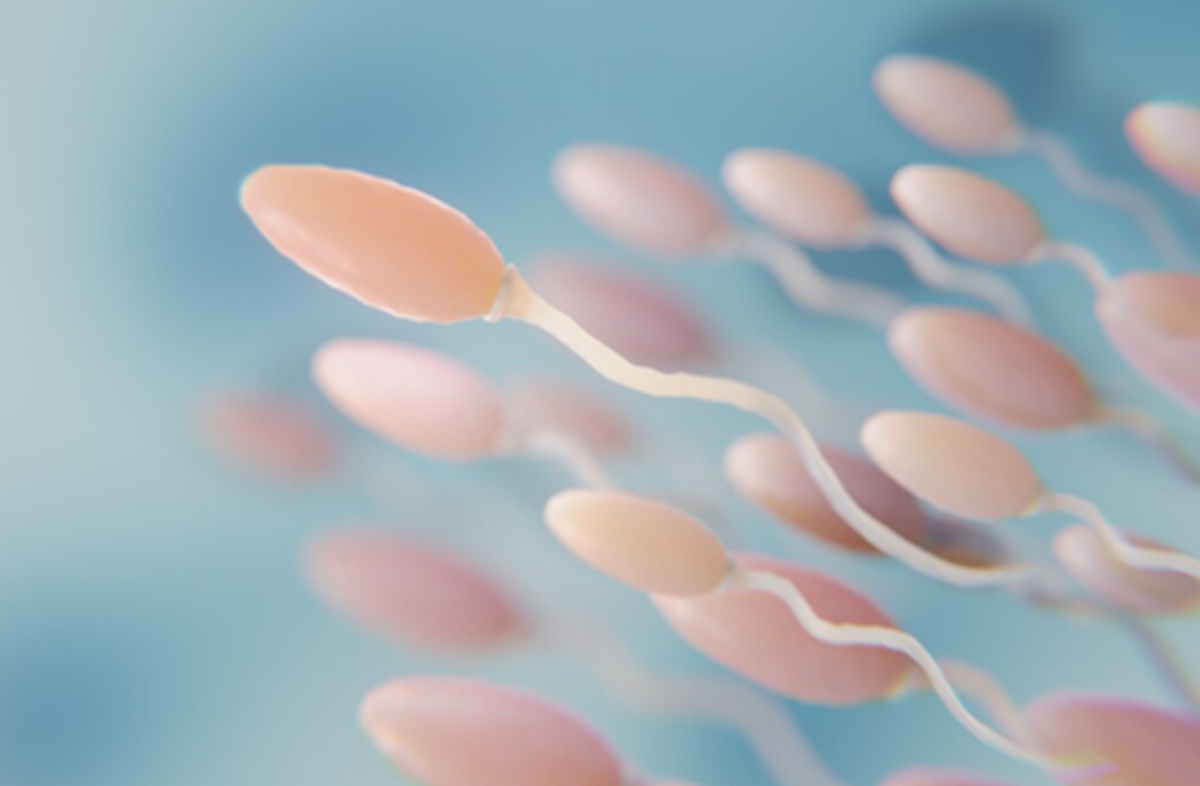
Infertility is often attributed to hormonal factors, egg quality, or blockages in the reproductive tract. However, a recent medical case report has uncovered a highly unusual and rare cause: infertility triggered by an allergic reaction to a partner’s semen. The condition is scientifically known as Human Seminal Plasma Hypersensitivity, a rare allergic reaction to proteins found in male seminal fluid. The unique case drew attention after a woman who had long struggled to conceive was diagnosed with the condition following a complex series of medical examinations. Typically, semen allergy presents with local symptoms immediately after unprotected intercourse, such as burning, itching, redness, and swelling in the intimate area. Yet in some more perplexing cases, these physical symptoms do not appear clearly or mimic common infections, often leading to delayed or missed diagnosis. In the reported case, the woman’s immune system mistakenly identified proteins in her partner’s semen as a dangerous threat. Consequently, her body produced antibodies that attacked and immobilised the sperm before it could fertilise an egg. This immune reaction effectively created a natural barrier causing infertility, even though reproductive system examinations for both partners were normal. Medical experts handling the case explained the challenges in identifying the condition. Diagnosis is typically confirmed through a skin prick test using a washed sample of the partner’s semen, or by observing the patient’s response when using condoms during intercourse. If symptoms or immune rejection disappear with barrier protection, hypersensitivity is likely. Fortunately, this diagnosis opens the door to effective pregnancy solutions. To overcome infertility caused by this allergy, doctors can employ assisted reproductive technologies such as Intrauterine Insemination (IUI) or In Vitro Fertilisation (IVF). In these procedures, the partner’s sperm sample is collected and undergoes a special washing process in the laboratory to separate the sperm cells from the seminal plasma containing the allergy-triggering proteins. Once cleaned, the sperm is then inserted directly into the woman’s uterus. This approach has proven successful in bypassing the misguided immune defence, offering a new ray of hope for couples facing a similar medical dilemma.