
Semarang DPRD highlights plight of angkot operators squeezed by mass transit
The Semarang Regional House of Representatives (DPRD) has highlighted the plight of city transport (angkot) operators and drivers who are increasingly squeezed by the expansion of mass transit services.
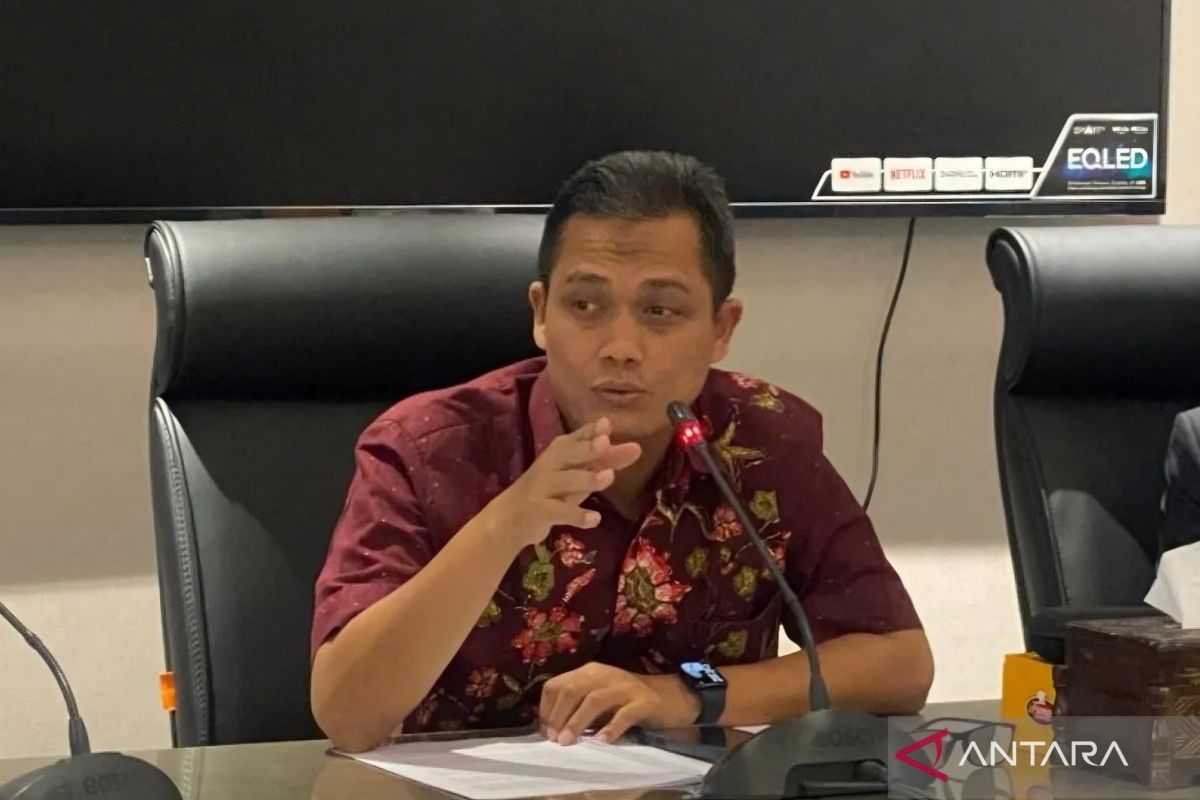
Deputy Speaker of the Semarang DPRD Suharsono said on Monday that while mass transport is essential, it must not eliminate local angkot services.
The Semarang city government, through the BLUD UPTD Trans Semarang, currently operates mass transit services across eight corridors serving various parts of the city.
“Trans Semarang is indeed needed to provide cheap and punctual mass transport, but local angkot operators must not be marginalised,” he said.
He said he had met with angkot operators and drivers who complained about their situation and hoped for policy support from the government.
He added that he and Commission C of the Semarang DPRD would communicate with the Semarang Transport Agency to discuss the angkot issue.
“Together with Commission C, we are ready to oversee and facilitate this communication with the Transport Agency so that a rational and fair solution can be found,” he said.
He said that while the use of mass transport is very important, it must also be balanced with the fulfilment of public service standards.
“We encourage the public to use mass transport to reduce congestion and accidents. However, the public also demands comfortable, safe, cheap and punctual services. This challenge must be addressed together,” he said.
Previously, the management of the Semarang Angkot Association, covering routes C1 to C10, met with the Semarang DPRD to voice the increasingly dire economic conditions facing drivers.
They raised their grievances amid the presence of modern transport and urged the Semarang city government to involve them actively in policy formulation, particularly regarding the arrangement of Trans Semarang Bus Rapid Transit (BRT) corridors and feeder services.
Angkot operators also highlighted the subfeeder scheme, which they said places a heavy financial burden on small operators, including a down payment of Rp80 million and a remaining payment received of only Rp1.05 million.
To maintain operational continuity and a decent income, the association proposed a direct subsidy scheme, following good practices in several regions such as Pati, Kebumen, Solo and Kediri.
In those areas, local governments hire local angkot vehicles to provide free transport for school students and workers.
In addition, angkot drivers and operators hope that vehicles still fit for service will continue to be allowed to operate through permit extensions without being forced to replace them with new units.