
Semarang Domestic Workers' Union Welcomes Enactment of Domestic Workers Protection Act
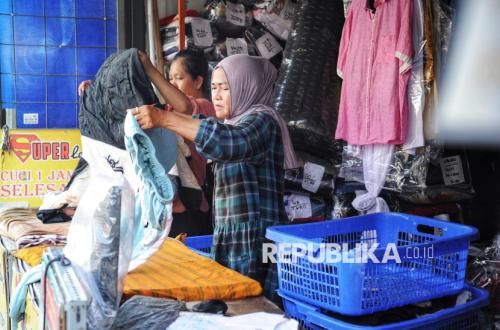
REPUBLIKA.CO.ID, SEMARANG – The Merdeka City Semarang Domestic Workers’ Union (SPRT) has welcomed the Indonesian House of Representatives’ (DPR RI) enactment of the Domestic Workers Protection Act (UU PPRT). They have been awaiting the birth of this law for more than two decades.
SPRT Merdeka City Semarang Coordinator, Nur Kasanah, stated that her organisation has been fighting for the issuance of the UU PPRT for 22 years. “Because 22 years is not a short time, the struggle has been long. I didn’t expect it to be approved on Kartini Day. After darkness comes light, like the book written by Kartini,” said Nur when interviewed on Wednesday (22/4/2026).
Nur revealed that the UU PPRT is needed as a legal umbrella for the recognition and protection of domestic workers (PRT). Moreover, the law can also serve as a legal reference regarding the rights that the PRT group deserves. Not only related to wages, but also working hours and holiday allowances.
“We domestic workers are considered strange for demanding rights like factory workers; that’s severe discrimination. Thus, PRT as vulnerable workers become victims of violence and discrimination,” said Nur.
Although the DPR RI has now approved the UU PPRT, Nur continues to encourage PRT to join PRT organisations. This is so they can struggle together and strengthen solidarity networks.
“If you experience violence and discrimination, you will know where to report; so don’t be afraid. Because after the UU PPRT is approved, we must monitor its implementation so that all PRT know and get their rights. We also must inform this to employers,” said Nur.
The UU PPRT was approved by the DPR RI in a plenary session held on Tuesday (21/4/2026). Chairman of the DPR RI Legislation Body, Bob Hasan, revealed that there are 12 important points regulated in the UU PPRT, namely:
Regulation of worker protection based on familial principles, respect for human rights, justice, welfare, and legal certainty.
Recruitment of PRT can be done directly or indirectly.
Every person assisting with household work based on customs, kinship, family, education, or religion is not considered as PRT under this Act.
Indirect recruitment of PRT carried out by P3RT (Household Worker Placement Companies) can be done offline or online.
One of the rights of PRT regulated in this Bill is the right to health social security and employment social security.
Prospective PRT receive vocational education and training from the central government, regional government, or PRT placement companies.
Vocational education and training for prospective PRT.
PRT placement companies are legal entities and must have business permits from the central government in accordance with applicable laws and regulations.
P3RT is prohibited from deducting wages or the like.
Guidance and supervision of PRT implementation is carried out by the central and regional governments by empowering neighbourhood units (RT/RW) to prevent violence against PRT.
When this Act comes into force, every person under 18 years old or married who works or has worked as PRT before this Act applies is given an exception and their rights as PRT are still recognised.
Implementing regulations must be established at the latest one year after the UU PPRT comes into force.
Source: jawawa.id (https://jawawa.id/newsitem/semarang-domestic-workers-union-welcomes-enactment-of-domestic-workers-protection-act-1776865854)
Originally published by Republika (https://rejogja.republika.co.id/berita/tdwc8o282/serikat-pekerja-rumah-tangga-semarang-sambut-pengesahan-uu-pprt), translated from Indonesian