
Semaglutide Poisoning Cases Surge, Thousands Affected After Weight-Loss Approval
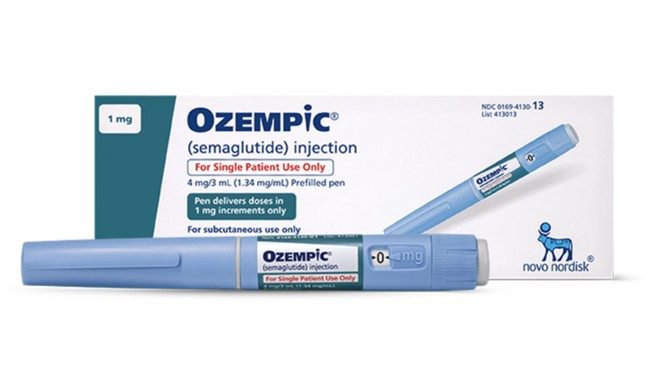
Poison control centres across the United States have seen a dramatic increase in calls related to semaglutide, the active ingredient in Ozempic and Wegovy, following the Food and Drug Administration’s (FDA) decision to expand its approval for weight management in 2021. Originally prescribed as a Glucagon-Like Peptide-1 Receptor Agonist (GLP-1RA) to control blood sugar in type 2 diabetes patients, the drug works by stimulating insulin production, suppressing glucagon release, and slowing gastric emptying to regulate appetite.
As the popularity of these medications exploded, researchers noted a corresponding rise in poisoning reports. Jordan Miller, a researcher at the University of Texas (UT) San Antonio, investigated whether the surge was directly linked to the FDA’s expanded approval. David Han, Romo Endowed Professor in the Department of Statistics & Data Science at UT San Antonio and Miller’s research mentor, stated that the sharp increase in poisoning cases was likely due to misuse and mishandling of the drug, potentially connected to the new weight-loss indication.
Before 2021, US poison control centres typically handled 1,000 to 1,500 GLP-1RA-related poisoning cases annually. After the FDA approved the drug for obesity treatment in mid-2021, that figure nearly doubled, reaching 8,000 calls in 2023. While most incidents involved accidental dosing errors or therapeutic mistakes, the sheer scale of the increase surprised the research team. Miller noted that he did not expect semaglutide to dominate the data so overwhelmingly, though he acknowledged it made sense given the intense media spotlight on the drug.
The analysis, published in the Journal of Medical Toxicology and featured in Significance magazine, indicated that the FDA’s approval marked a clear turning point. The nature and volume of calls to poison centres changed significantly as the drug’s use rapidly expanded from a diabetic population to a much broader group seeking weight loss. Han emphasised the need to measure this evidence to show the phenomenon originated from the FDA approval and to determine how to minimise risks, arguing for better public education because the drug’s long-term safety profile is not yet fully understood.
The researchers found that many poisoning cases were preventable. Semaglutide is designed for once-weekly injection, with patients starting on a low dose that is gradually increased. The two most common errors were patients injecting the medication daily instead of weekly and starting directly on the highest dose rather than following the recommended titration schedule. Miller and Han concluded that enhanced education at every stage of the prescribing process, from the doctor’s office to the pharmacy counter, could help prevent many of these medication errors.