
Self-sufficiency status improves, 20,503 villages achieve 'independent' ranking
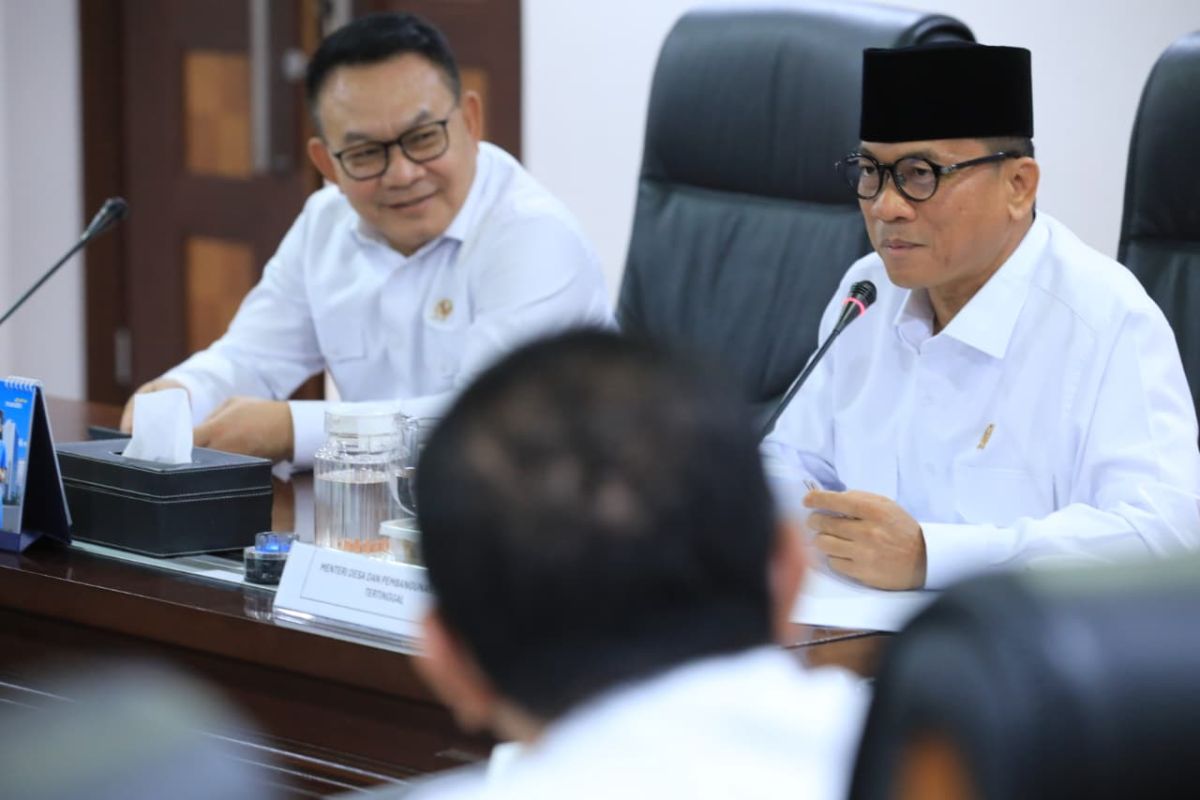
Minister of Villages and Development of Disadvantaged Regions (Mendes PDT), Yandri Susanto, reported an increase in the number of independent villages in Indonesia, which now totals 20,503. During a working meeting with Commission V of the House of Representatives in Jakarta on Wednesday, the Minister stated the figure represents a surge of 4.38% from the previous year, where the number of independent villages in 2024 was recorded at 17,203. He said there has been very good development, with independent villages increasing by thousands, while the number of developing and underdeveloped villages has decreased, noting very good progress over the course of a year. In addition to the surge in independent villages, data from the Ministry of Villages and Development of Disadvantaged Regions also recorded an increase in advanced villages to 23,579, which coincided with a reduction in the number of developing villages, now remaining at 21,813. Despite recording a positive trend, Yandri acknowledged that his ministry still has significant work regarding rural poverty alleviation, which was recorded at 10.72% as of September 2025. He revealed that there are currently 4,672 villages with underdeveloped status and 4,694 very underdeveloped villages, as well as 5,758 villages that are not yet connected to the state electricity grid. For this reason, the allocation of funds and village development programmes will continue to be accelerated sustainably, considering the large portion of the national demographic whose livelihoods depend on the advancement of rural areas. The total number of villages in Indonesia is 75,266, with 202 million inhabitants, and 73% of Indonesia’s population resides in villages. In these regions, the main issue faced is access to electricity, where around 5,000 villages remain in total darkness. Additionally, there are areas without signal, inadequate health and education facilities, and difficulty accessing clean water. Chief of Presidential Staff, Dudung Abdurachman, stated these issues must be resolved immediately and that he would report the matter to the President to make it a priority, adding that 30 regional heads would be invited to meet the President directly.