
Self-protection tips to reduce ARI risk during dry season
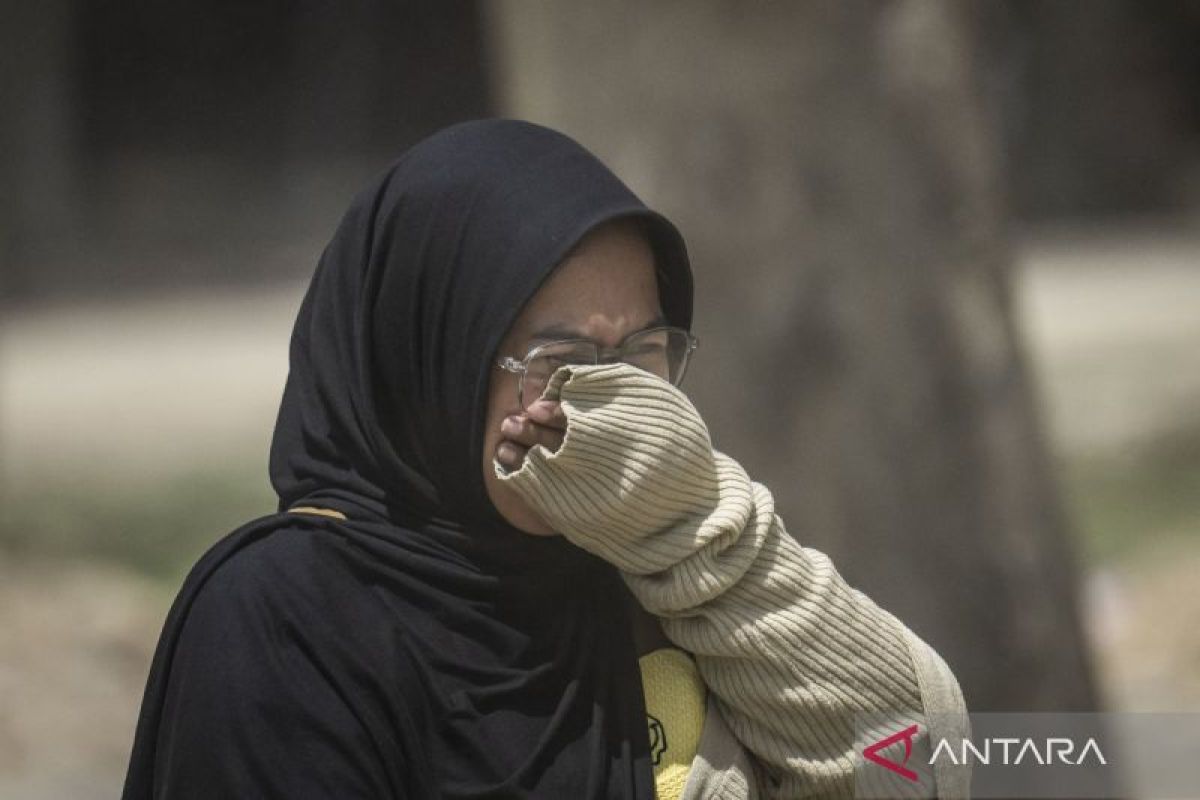
Paediatric respiratory specialist Dr. Nastiti Kaswandani has shared tips for reducing the risk of acute respiratory infections (ARI), particularly those that emerge during the dry season.
Speaking in Jakarta on Friday, Nastiti explained that the hot and dry air during the dry season can impact respiratory health, especially if fluid intake is insufficient, leading to dehydration. As a result, the mucosa or mucous membranes in the respiratory tract become dry.
"The mucous membrane lining in a child’s respiratory tract functions to filter or screen materials entering the respiratory tract, including bacteria, viruses, and pollutants. So if the function of this mucous membrane is reduced, the risk of ARI will certainly increase," Nastiti said.
"Often at the beginning of the dry season, there is a large temperature difference. The extreme difference between daytime heat and nighttime cold can also affect a child’s immune system, making them susceptible to ARI," she added.
Nastiti noted that while environmental conditions outside the home cannot be controlled, the risk of exposure to pollutants that trigger respiratory problems, including ARI, can be reduced by limiting outdoor activities, especially when the air is dry, dusty, or full of pollutants.
Self-protection to reduce the risk of respiratory disorders such as ARI, Nastiti said, can also be achieved by implementing clean and healthy living behaviours, such as washing hands with soap and practising cough etiquette to prevent disease transmission.
Furthermore, a crucial aspect of prevention is boosting the immune system by consuming nutritious food and getting adequate rest, so that when an ARI attack occurs, the body’s immunity is sufficiently robust to fight it.
Nastiti said maintaining the immune system during the dry season can be done by consuming a balanced diet consisting of protein, carbohydrates, vegetables, and fruits, such as those containing vitamins C and A, which are beneficial for repairing the membranes or cells in the respiratory tract.
"We must also maintain ideal air quality inside the home. Avoid cigarette smoke and indoor air pollution, which mainly comes from cigarette smoke or possibly from cooking fumes or burning rubbish at home, and other things that we can actually control," she added.
Deputy for Climatology at the Meteorology, Climatology and Geophysics Agency (BMKG), Ardhasena Sopaheluwakan, stated in a press conference in Jakarta on Thursday (30/7) that the lack of cloud cover during the dry season is triggering intense increases in air temperature across various regions. The decline in air quality due to dust and potential smoke from fires during the dry season is also increasing exposure to respiratory diseases.