
Seizing Personal Documents on the Road Has No Legal Basis, Observer Says
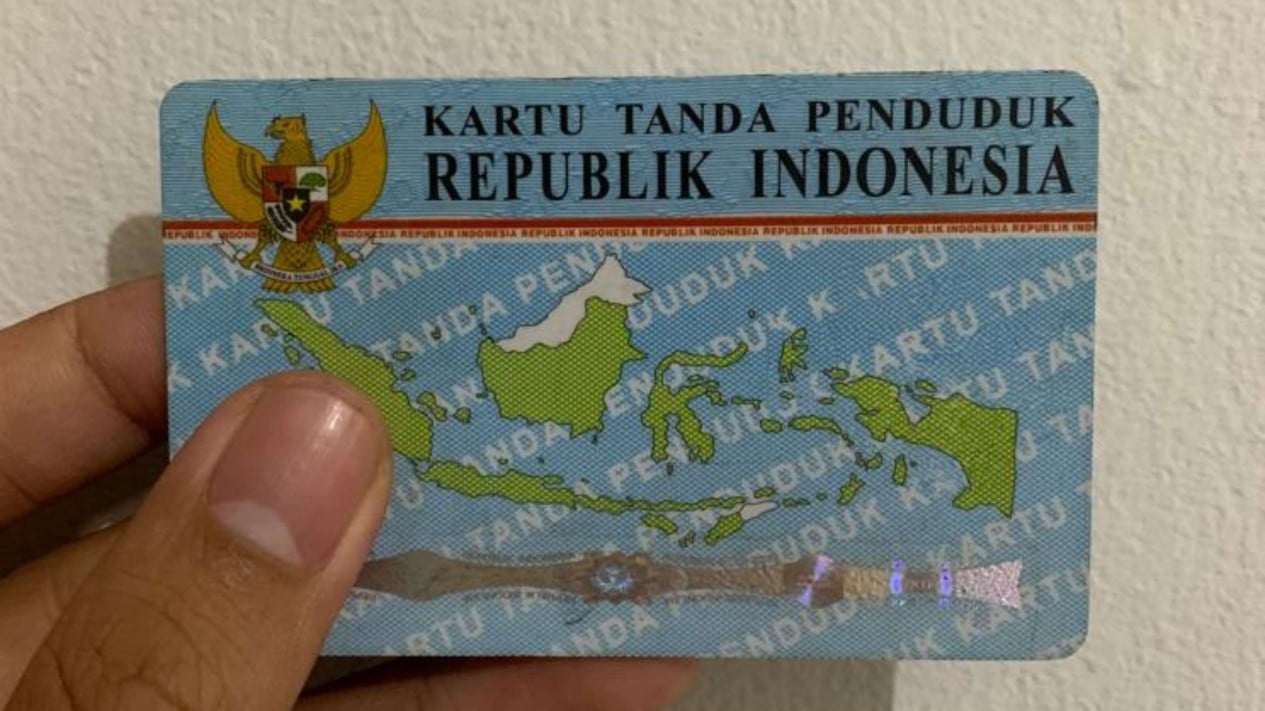
Jakarta, VIVA – Legal observer Fajar Trio stressed that civilians who unilaterally detain an identity card (KTP) or remove a vehicle number plate are acting unlawfully, under both traffic and criminal law.
“Legally, there is no basis for detaining another person’s personal documents or vehicle equipment on the road. Even if someone has suffered a loss, disputes must not be resolved by breaking the rules,” Fajar said when contacted in Jakarta on Thursday (22 October 2026).
Fajar explained that, under Law No. 22 of 2009 on Road Traffic and Transport, drivers involved in an accident are required to stop, assist victims and provide their identity.
However, providing identification is a statutory obligation that entails handing it to the victim or law-enforcement authorities; it does not permit civilians to seize it forcibly.
He also raised concerns about the legal status of KTP identity cards and vehicle number plates, which people on the road sometimes take as security.
“A KTP is an official state document issued by the Population and Civil Registration Office (Dukcapil) and is the property of the state. No civilian has the legal authority to confiscate or detain one. The same applies to number plates, which are official police registration marks,” Fajar said.
Potential criminal liability for victims
Fajar warned that forcibly holding another person’s property could reverse the legal situation. Someone initially harmed in an accident could find themselves reported to the police by the driver who hit them.
“Taking matters into one’s own hands and ignoring lawful procedures is a form of vigilantism. If a KTP or number plate is forcibly taken against its owner’s wishes with the intention of keeping it, that could meet the elements of theft under Article 362 of the Criminal Code,” Fajar said.
He added that the legal risks could be more serious if the detention is accompanied by psychological or physical intimidation at the scene.