
Seized Assets Can Be Directly Utilised by the Government, Ministry of Finance Ensures Multi-Layered Oversight
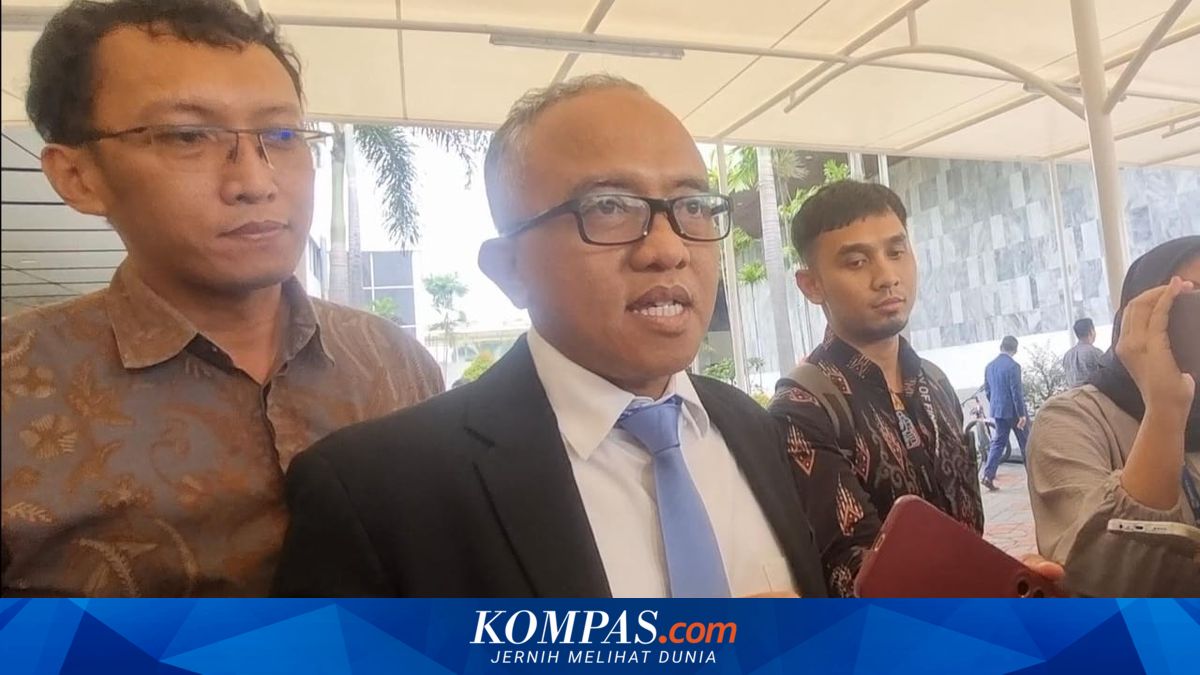
JAKARTA, KOMPAS.com - The Ministry of Finance (Kemenkeu) has assured that the utilisation of seized assets by the government without auction is conducted through strict and multi-layered mechanisms to prevent conflicts of interest. Head of the Bureau of Communication and Information Services at Kemenkeu, Deni Surjantoro, emphasised that the takeover process is not done unilaterally. “The mechanism for utilising seized assets without auction (asset takeover) is still carried out within tight and multi-layered governance, thus not opening room for misuse or conflicts of interest,” Deni stated, as quoted from Antara on Thursday (30/4/2026). With this flow, the asset takeover process runs through a check and balance mechanism that can be accounted for administratively and legally. “In addition, its implementation reflects good governance principles, including notification to the debt guarantor, as well as valuation mechanisms by government/public appraisers and reviews by the Financial and Development Supervisory Agency (BPKP),” he said. As a note, Finance Minister Purbaya Yudhi Sadewa has issued Minister of Finance Regulation (PMK) No. 23 of 2026, which revises PMK 240/2016 on the Management of State Receivables. This regulation was issued to enhance the optimisation of state receivable settlements in line with developments in its management mechanisms. One important change is the addition of Article 186A, which allows the government to utilise collateral goods or assets owned by the principal debtor that have been seized, without needing approval from the relevant party. The regulation states that the proceeds from the asset utilisation by PUPN are used to reduce the debtor’s debt. Meanwhile, Article 186B stipulates that asset utilisation can only be carried out if a Seizure Order (SPP) and seizure minutes have been issued, as well as after a decision from the branch head of PUPN. Applications for asset utilisation must be submitted in writing by ministries/institutions, attaching an analysis of asset use for government or public interests, as well as willingness to accept the asset condition as is and bear any outstanding costs. Once the requirements are met, the branch head of PUPN will issue a decision on asset use within a maximum of 10 working days. State control over the asset applies for two years, without eliminating the overall debt obligation. Besides ministries/institutions, other parties such as SOEs, regional SOEs, village SOEs, individuals, business entities, and other legal entities can also apply for asset utilisation. Assets that can be utilised include movable and financial assets, such as cash, digital or crypto assets, deposits in financial institutions, as well as instruments like bonds, shares, receivables, and capital participations. For land and building assets, requirements include being certified, not in dispute, not illegally controlled by third parties, and not pledged to other creditors. Furthermore, the provisions in Article 297D emphasise that asset takeover will only reduce the principal debt of the debtor or guarantor, without eliminating state receivable management administrative costs.