
Seeking an ideal scheme for national disaster financing
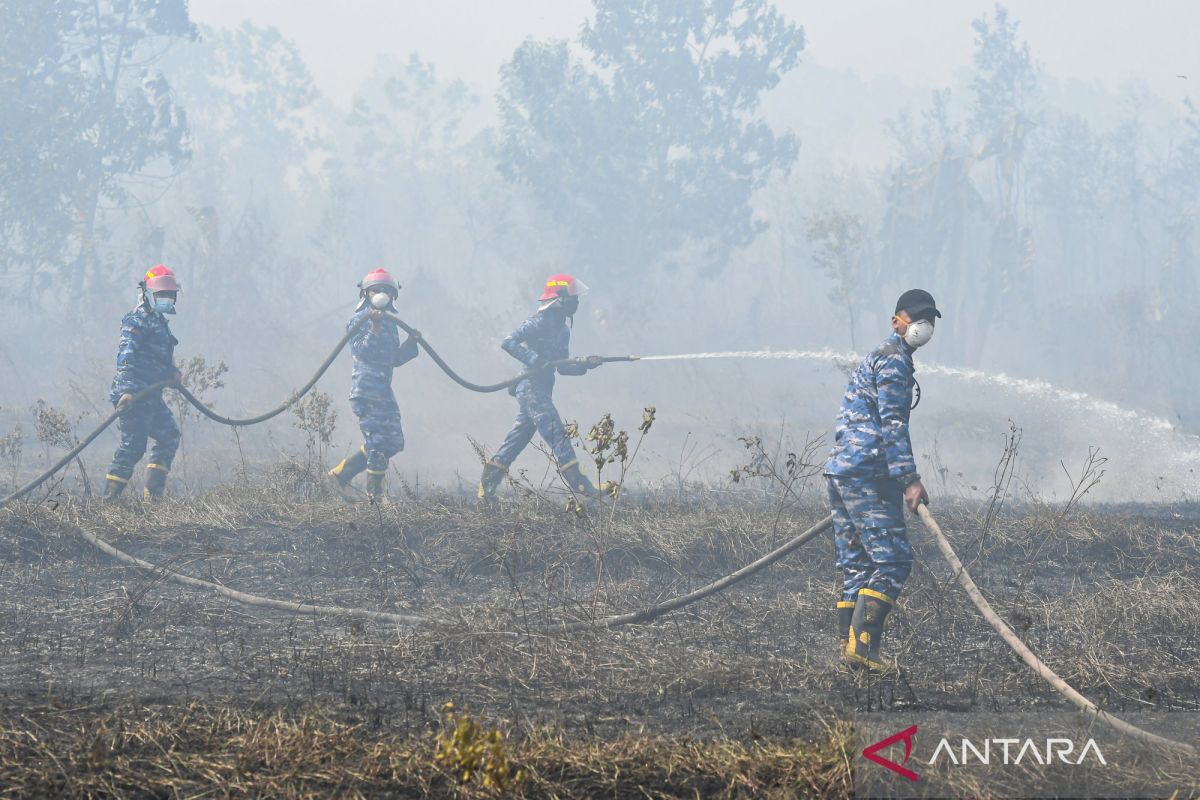
Jakarta (ANTARA) - Indonesia possesses extensive experience in managing various disasters, ranging from earthquakes, tsunamis, floods, landslides, and droughts to forest fires and increasingly complex hydrometeorological events. The challenge, therefore, is not merely how the state responds when a disaster occurs, but how disaster financing does not become a new source of fiscal instability.
To date, the National Budget (APBN) and Regional Budlam Budgets (APBD) have remained the backbone of disaster management financing. Allocating these budgets is essential as the state must be present when the public faces emergencies. However, regarding optimal post-disaster recovery, the APBN/APBD inevitably faces budgetary limitations. Financing needs only become fully apparent after a disaster strikes, while the government must simultaneously maintain funding for education, health, social protection, infrastructure, and other development programmes.
The World Bank has previously noted that reliance on the national budget to finance disasters can create pressure on other priority sectors. Consequently, since 2018, Indonesia has been developing a Disaster Risk Financing and Insurance (DRFI) strategy.
The essence of DRFI lies in changing the perspective on mitigating the financial risks posed by disasters. Disaster financing should no longer be prepared solely after a disaster occurs, but should also be established before the risks manifest.
This framework allows the state to utilise different instruments according to the level of risk. Relatively frequent disasters with small impacts can be covered through regular budgets. Risks with greater frequency and impact can be supported through pooled funds and contingency loans. Meanwhile, rare disasters that have the potential to cause massive losses can be transferred through insurance, parametric insurance, or international reinsurance.
As a result, not all risks must be borne by the national budget. The state can determine which risks to retain, share, or transfer. This is where the Disaster Risk Pooling Fund (PFB) becomes vital. Based on Presidential Regulation Number 75 of 2021, the PFB is designed as a collective fund sourced from the APBN, APBD, and other legitimate sources. These funds are managed cumulatively so they are not entirely bound by the annual budget cycle.
Progress is already becoming visible. According to Ministry of Finance data, the accumulated PFB funds managed by the Environmental Fund Management Agency (BPDLH) of the Ministry of Finance reached approximately Rp7.3 trillion by the first semester of 2025. Furthermore, for the 2026 national budget, the government has allocated Rp1 trillion for financing and insurance strategies to mitigate disaster risks in Indonesia.
An ideal combination
As part of the investment instruments for disaster financing, the current challenge is ensuring that the PFB evolves into a component of the national disaster financing architecture that can truly serve as a fiscal cushion for post-disaster recovery and reconstruction.
To achieve this, Indonesia requires the PFB to develop into a four-layered ideal scheme in the future to form a proper fiscal buffer for disaster financing in Indonesia.