
Seeking a new path for Indonesia's oil and gas regulation
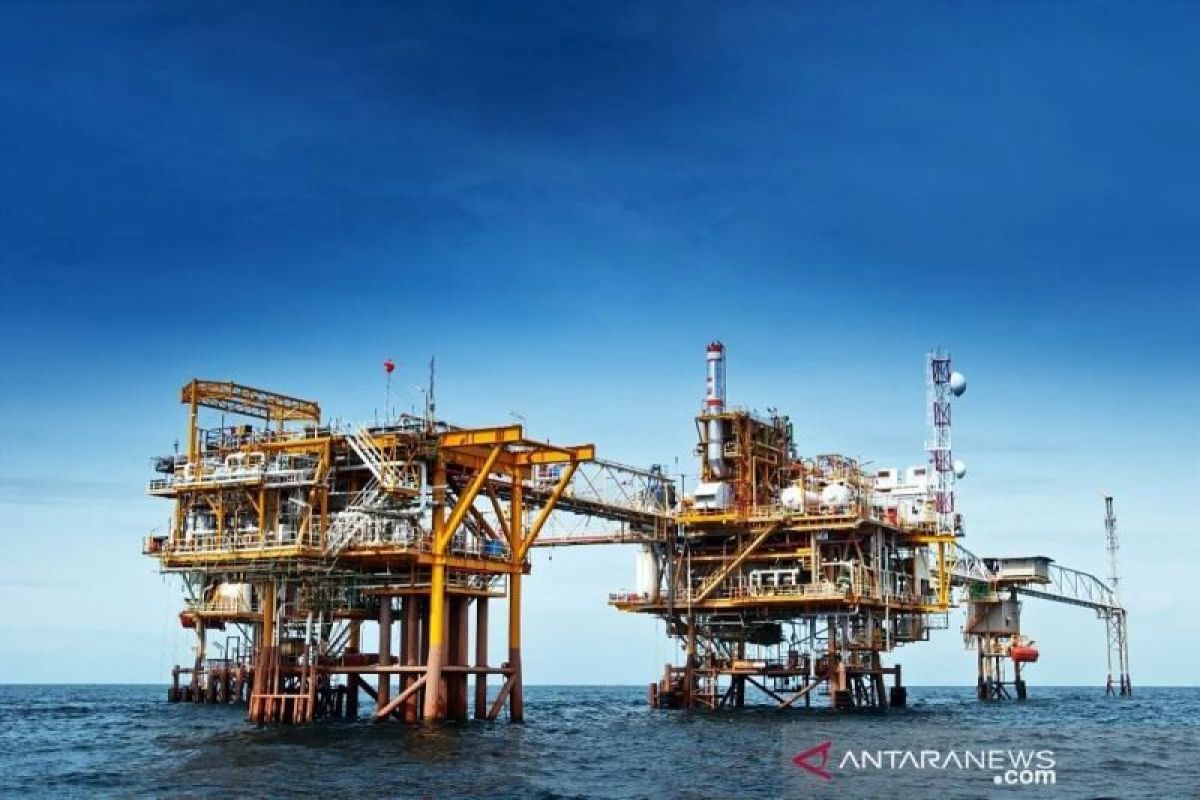
The most fundamental debate in the Oil and Gas Bill concerns the Special Oil and Gas Business Entity.
Jakarta (ANTARA) - There are laws that age because of the times, and there are laws that age because they have waited too long for amendment. Law Number 22 of 2001 on Oil and Natural Gas appears to be both.
Nearly a quarter of a century after its enactment, the law that serves as the foundation for national oil and gas management still leaves unresolved issues of institutional design, investment certainty, and energy governance for the public.
New momentum emerged in August 2026. Commission XII of the Indonesian House of Representatives and the House Legislation Body began to give serious attention to the Oil and Gas Bill. In fact, harmonisation discussions were held on 15 August, a day that usually serves as a pause from the bustle of legislation.
After the approval stage of the Oil and Gas Bill at the Plenary Session as a House initiative proposal took place on 18 August, the journey is still not the end. The Bill must still be discussed with the Government through the Problem Inventory List, first-level talks, and joint approval by the House and the President. That is where the real test lies.
The Oil and Gas Bill must not merely become a legislative project to replace Law Number 22 of 2001.
Rather, it must provide answers to the questions that have continued to arise about how the state controls oil and gas without burdening investment with bureaucracy, how existing contracts remain respected, how national production is increased, and how the proceeds of oil and gas management truly return to the prosperity of the people.
These questions are increasingly important because the Oil and Gas Law has shifted direction through Constitutional Court rulings. Constitutional Court Decision Number 002/PUU-I/2003 annulled several provisions relating to the fuel pricing mechanism.
Nearly a decade later, Constitutional Court Decision Number 36/PUU-X/2012 dissolved BP Migas because its institutional design was deemed inconsistent with the construction of state control as referred to in Article 33 of the 1945 Constitution.
Thus, the issue of the Oil and Gas Bill is not merely about updating a regulation that is approximately 25 years old. This momentum is an opportunity to bring together the constitution, investment interests, energy security, and public prosperity within a single legal architecture.
Seeking an institutional form