
Second-hand Homes Seen as Having Significant Investment Value
Indonesia’s property market is projected to remain on a path of positive growth this year as momentum in the secondary housing market – the second-hand segment – strengthens. The segment is seen as a potential new catalyst for the national property industry, particularly amid constraints on new-home supply and high housing demand.
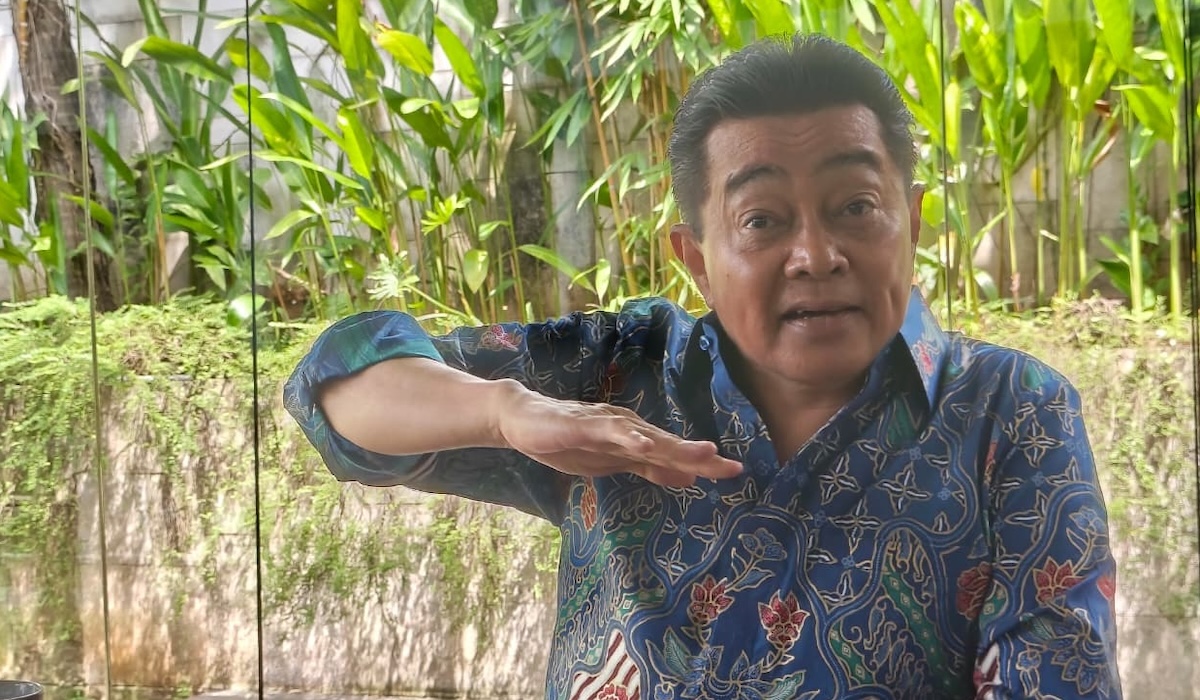
A member of the Housing Task Force and property observer, Panangian Simanungkalit, assessed that the second-hand market could widen access for the public, including the younger generation, to own homes at more competitive prices with clearer legality. ‘Property is on track now because there is momentum for the second-hand market into the secondary market. This is a major opportunity, especially for Gen Z to enter the property market with clear legalities and still-competitive prices,’ Panangan said in Jakarta on Tuesday, 19 May.
He argued that the development of the secondary market is important because the supply of new homes has not fully kept pace with rising housing needs each year. In such a condition, second-hand homes can be a strategic alternative to broaden home ownership, while helping to ease the national housing backlog.
Panangian said one of the main attractions of second-hand homes is their locations, which are typically already developed. Many second-hand homes sit in areas with established infrastructure, more mature access, and rising land values.
‘Second-hand homes are usually in premium locations with prices from many years ago. In a sense, buying the land alone already profits,’ Panangian said.
In the near term, the secondary market is also expected to receive a boost from the sale of tens of thousands of second-hand assets through an auction mechanism. The assets to be marketed cover a range of segments, from subsidised housing and commercial housing to apartments and plots, with varied price ranges.
‘The plan is to be held on 25 May. This secondary housing market is attractive because most assets are already in active areas, with infrastructure in place and land prices continuing to rise. From both investment and housing perspectives, its potential remains very large,’ he said.
Panangian added that the homes marketed have undergone legal checks so the public does not need to worry about administrative aspects or ownership status. In addition, a Mortgage Ownership Credit scheme (KPR) will be available for people who want to purchase second-hand homes on instalments.
With legal backing, financing schemes and well-developed locations, Panangian is optimistic the second-hand market can become a new motor for growth in the national property sector. Strengthening the secondary market is also viewed as capable of increasing property liquidity while expanding housing options for the public.
‘All this time the public has focused too much on new homes; yet second-hand homes also have high value. With proper education, the secondary market could become one of the new drivers of growth for the national property sector,’ Panangian concluded.