
Sebatik Island Transformed Following New Boundary Line, Government Discusses Acceleration of Border Region Development
The reaffirmation of the Indonesia-Malaysia territorial boundary has brought changes to the Sebatik Island region. Based on the new boundary line agreement, an area of 127.3 hectares that was previously on the Malaysian side is now part of Indonesia.
Conversely, an area of 4.9 hectares that was previously part of Indonesia has now entered Malaysian territory.
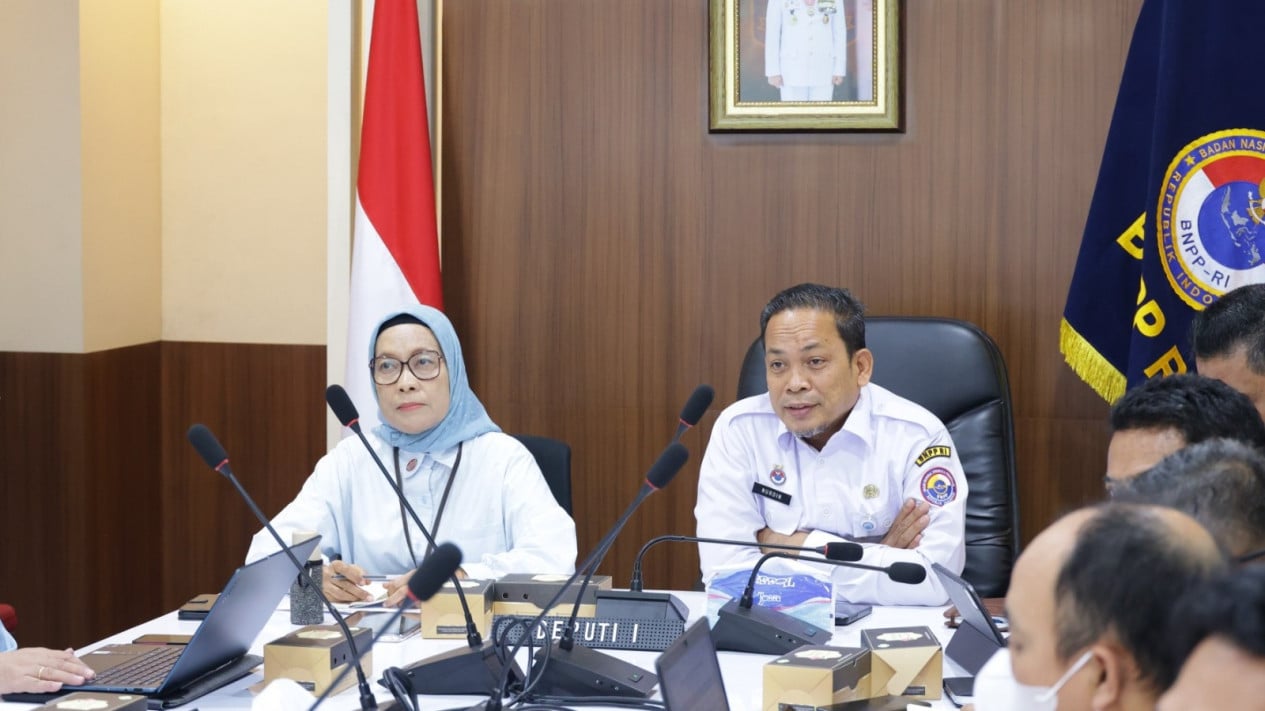
These changes were among the agendas discussed by the Indonesian National Border Management Agency (BNPP) alongside the Presidential Staff Office (KSP) during an audience at the BNPP Permanent Secretariat on Wednesday, 9 September 2026.
The discussions extended beyond the boundary lines themselves. The government also addressed how border regions can be transformed into areas that are secure, connected, and capable of providing economic benefits to the communities living in Indonesia’s outermost regions.
Nurdin, the Deputy for National Border Management at BNPP RI, stated that border management encompasses the determination and affirmation of boundaries, regional security, cross-border management, and regional development.
“The management of national territorial boundaries is directed towards achieving the determination and affirmation of state boundaries, as well as ensuring secure and resilient border management in facing various potential threats to the sovereignty and territorial integrity of the Republic of Indonesia,” Nurdin said on Thursday, 10 September 2026.
Regarding the determination and affirmation of boundaries, the government still maintains several strategic agendas. These include resolving the Outstanding Boundary Problems (OBP) between Indonesia and Malaysia, addressing the Unresolved and Unsurveyed Segments between Indonesia and Timor-Leste, affirming the Indonesia-Papua New Guinea boundary, and resolving maritime boundaries.
Security aspects are also a primary focus. Strengthening efforts include the construction of national border pillars, Border Patrol Inspection Routes (JIPP), border security posts, Indonesian Navy posts, as well as Police Headquarters and sub-sector posts.
This reinforcement is also aimed at increasing community involvement in guarding the border regions. Beyond security, the government intends for cross-border activities to serve as an economic driver for the local population.
BNPP is developing Integrated Border Posts (PLBN) along with supporting facilities and surrounding areas to serve as socio-economic hubs. The objective is to improve the service of people and goods while ensuring the economic activities of border communities continue to grow.
“Cross-border management is not only about the development of PLBN, but also about improving the service systems for people and goods, mapping and identifying unofficial routes, and strengthening coordination between agencies and the community in managing them,” Nurdin added.
Source: jawawa.id (https://jawawa.id/newsitem/sebatik-island-transformed-following-new-boundary-line-government-discusses-acceleration-of-border-region-1789049005)
Originally published by VIVA.co.id (https://www.viva.co.id/berita/nasional/1927750-pulau-sebatik-berubah-setelah-garis-batas-baru-pemerintah-bahas-percepatan-kawasan-perbatasan), translated from Indonesian