
SEAFAST: Healthy food trend drives raw material reformulation technology
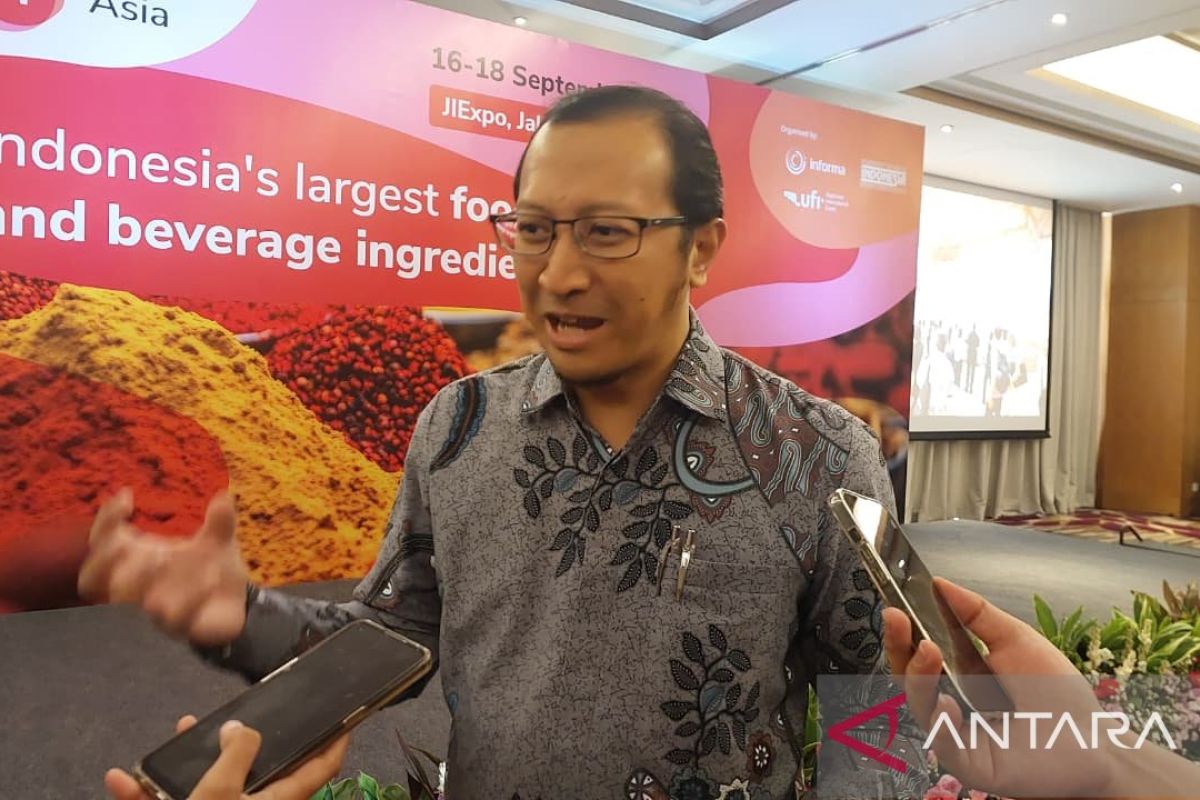
The Head of the South East Asia Food and Agriculture Science & Technology (SEAFAST) Centre at IPB, Puspo Edi Giriwono, stated that the rising trend of health consciousness and the demand for healthy food are key drivers for the development of raw material reformulation technology.
Food raw material reformulation technology is the process of redesigning processed food products by altering compositions or replacing base ingredients. The objective is to create healthier products and respond to changing market regulations.
During a press conference for Food Ingredients (FI) Asia Indonesia 2026 in Jakarta on Thursday, Puspo noted that this technology is currently essential for the industry to meet market demands.
“It requires the necessary science to produce these materials, the production process, and proper processing methods to ensure high-quality products and effective formulation. Therefore, science serves as the foundation for developing products towards healthy food,” said Puspo.
He explained that within the industrial sector, the trend for healthy food consumption in Indonesia is growing by an average of 7.9 per cent annually. This is driven by Indonesian consumers, particularly Millennials and Gen Z, who are health-conscious and prioritise fresh, natural, and functional foods.
Puspo noted that the public is increasingly reducing the intake of foods high in sugar, salt, and fat. Consequently, reformulation technology is required to maintain auxiliary raw materials so they do not easily degrade from storage to heating, ensuring that consumers still receive the intended benefits in the final product.
Reformulation also serves to adjust the flavour profile of raw materials into safe, consumable food that aligns with the tastes of the specific market where the product is sold.
Furthermore, he emphasised the need for transparency regarding all ingredients contained within a product to enhance consumer trust.
“Knowing the composition is vital for consumers, especially those with specific needs, such as food allergies, or those who adhere to certain values, such as Halal requirements,” said Puspo.
He added that raw material traceability is also a component of reformulation technology development, which is expected to be adopted in Indonesia to further increase consumer confidence in the quality of Indonesian raw materials.