
Sea Cucumbers: The New Prize of the Indian Ocean Black Market
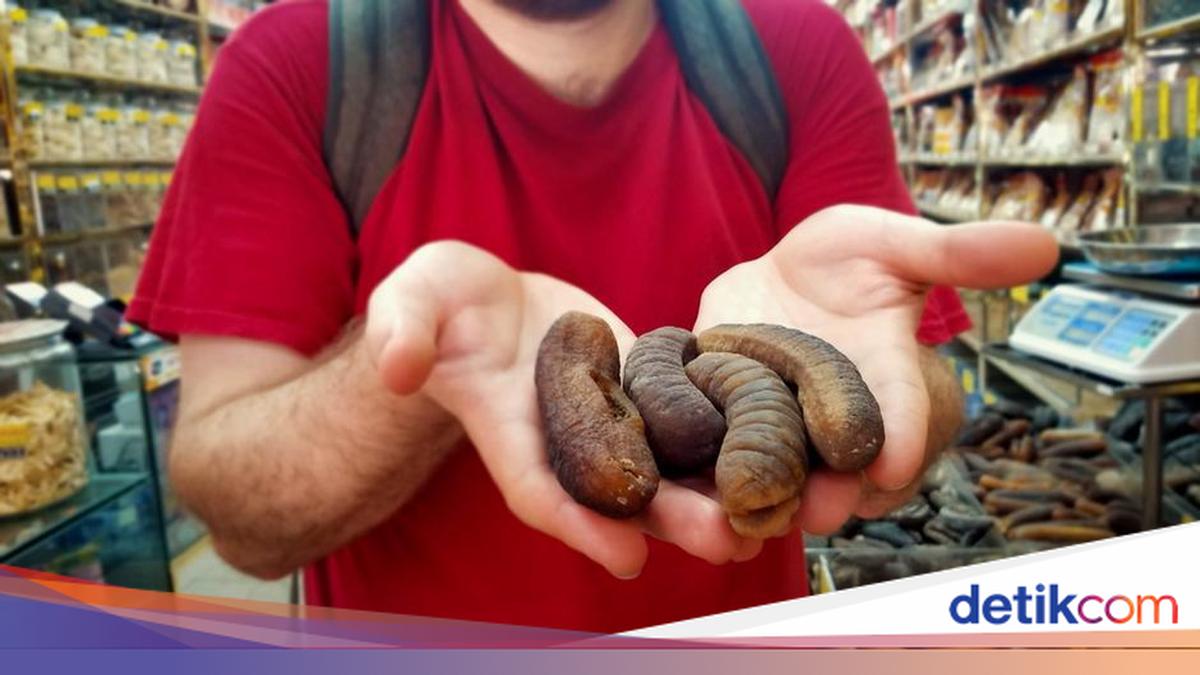
When discussing smuggling, it is perhaps unimaginable that a soft-bodied marine creature, which spends its days eating and excreting waste, would become a high-value black market commodity. However, the reality is that these soft-textured creatures, known as sea cucumbers, are a primary prize in illegal trade, with an annual value reaching $200 million, or approximately Rp3.5 trillion.
Although often referred to as sea cucumbers, these creatures are neither cucumbers nor fish, but echinoderms—a group of invertebrate marine animals with a tough outer skin.
Around the Andaman Islands, at the eastern edge of India, these creatures are found in abundance. Biologist Sangamesh Ulam says the presence of these marine animals is ecologically vital. Without them, tidal zones “would not be an ecosystem, but merely crushed rocks.”
Approximately 1,500 species of sea cucumbers worldwide act as efficient marine recyclers. They consume organic matter, including bacteria and microalgae, decompose it, and excrete clean, oxygen-rich sand. This maintains the circulation of essential nutrients such as nitrogen and phosphorus and helps suppress coral diseases.
Furthermore, sea cucumbers increase marine alkalinity, helping to slow the process of ocean acidification, a growing problem as rising greenhouse gas levels in the atmosphere cause ocean warming.
Why are sea cucumbers being smuggled?
Sea cucumbers are considered a delicacy, particularly in China and Southeast Asia. Historical records show that sea cucumbers have been traded between Indonesian fishermen and Chinese merchants for as long as 800 years.
They are used in soups, served as pickles, or processed into traditional medicines. There is scientific evidence that the omega-3 found in sea cucumbers acts as an antioxidant and anti-inflammatory. However, they are largely popular due to their shape, which is often regarded as an aphrodisiac to enhance sexual desire.
Since the 1980s, commercial sea cucumber harvesting has expanded globally, supported by increased access and rising incomes and demand in East Asia.
Although many countries have banned this practice, some nations, such as Sri Lanka and Madagascar, still permit the harvesting and cultivation of sea cucumbers. Of all global sea cucumber harvests, 70% have experienced overexploitation.
The combination of rising demand and legal complexities has attracted the attention of both small and large-scale mafia groups. Some of the largest cartels in Mexico and even Japan are reported to have diversified their portfolios by exploiting sea cucumbers and other marine creatures to maintain steady revenue streams.
These illegal groups infiltrate every aspect of the supply chain, from extorting fishermen to smuggling illegally caught sea cucumbers across borders.
They exploit weak environmental regulations and a lack of official knowledge regarding rules and species. Sea cucumbers are sometimes disguised as legal fish shipments or smuggled into countries that do permit the trade of such species.
Teale Phelps Bondaroff, a leading expert in sea cucumber crime, emphasises the importance of awareness in tackling this issue. “While many law enforcement officers may be alert to drugs, weapons, or well-known wildlife contraband like elephant ivory, rhino horn, or shark fins, sea cucumbers may slip under the radar,” he told DW.
Foreign poachers are drawn to the Andaman Islands.
The Indian government began regulating sea cucumber harvesting in the 1980s and imposed a total ban in 2001 after witnessing the impact of illegal trade on local populations.
Since then, India has become one of the strongest protectors of this species. Anyone caught harvesting sea cucumbers faces seven years in prison, the same penalty imposed on tiger or elephant poachers.
As a result, sea cucumber populations around the Andaman Islands have generally flourished. In the waters around Myanmar, approximately 50 kilometres to the north, the situation is different. The civil war in that country has severely impacted local livelihoods, and local black market agents exploit this instability by offering relatively higher prices for a single shipment of illegally caught sea cucumbers. As sea cucumber numbers dwindle in local waters, poachers move further south.
However, this is not an easy task. They must evade coastguards, the navy, and the Indian police, deceive local fishermen, and even face the threat of crocodile populations.
They survive by fishing and free-diving using hookah pipes to breathe, and by conserving diesel fuel for months to ensure they have enough to return home, all while avoiding Myanmar authorities and pirates attempting to steal their catch.
Many illegal fishermen have been arrested by the regional Andaman and Nicobar police, who are specially trained to patrol mangrove islands. At least 50 people have been arrested in the past year, some as young as 16 and others in their 60s. Some have returned for a second or third time, risking imprisonment again after serving their full sentences.
Is there a way to stop this illegal trade?
Despite the efforts of Indian authorities, the number of poachers entering each year remains steady.
Bondaroff sees a need to raise the alarm on a global level. Similar trades, such as shark fins, have slowed down thanks to…
Source: jawawa.id (https://jawawa.id/newsitem/sea-cucumbers-the-new-prize-of-the-indian-ocean-black-market-1788329113)
Originally published by detikcom (https://news.detik.com/dw/d-8644786/teripang-primadona-baru-pasar-gelap-samudra-hindia), translated from Indonesian