
SDN Sukabumi Selatan 06 in West Jakarta Implements 'Zero Waste' Campus
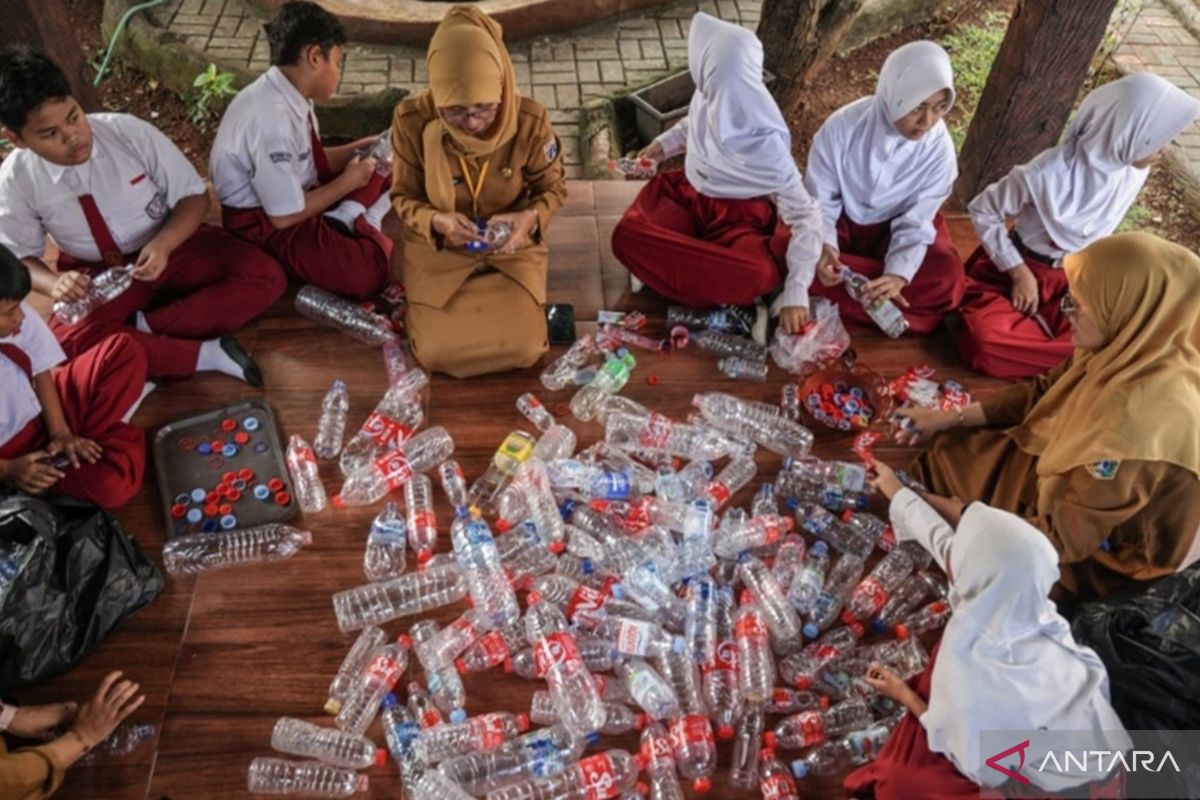
Jakarta (ANTARA) - Sekolah Dasar Negeri (SDN) Sukabumi Selatan 06, in Kelurahan Sukabumi Selatan, Kecamatan Kebon Jeruk, West Jakarta, has officially implemented a zero-waste concept within the school environment. This step was taken through the optimisation of independent waste management, such as composting activities, activating a waste bank, and enforcing strict rules against littering. The head of SDN Sukabumi Selatan 06, Sunarsih, said on Tuesday in Jakarta that the implementation of this zero-waste area is a concrete manifestation of DKI Jakarta Gubernatorial Instruction (Ingub) Number 5 of 2026 concerning the Waste Sorting and Management from Source Movement. Furthermore, this programme is integrated with the school’s Adiwiyata environmental programme. “Our school, for daily activities, God willing, is already zero waste. This is in accordance with Gubernatorial Instruction number 5 of 2026,” she stated. Technically, Sunarsih explained that the school requires all students to bring their own drinking bottles (tumblers) and food containers from home as provisions. Meanwhile, for the canteen area, the school has provided plates and glasses to reduce the use of single-use plastic containers for student snacks. Not only managing waste within the school, this environmental care movement also involves the active role of students from home. Every Tuesday, students routinely bring inorganic waste in the form of plastic bottles and cardboard to be collected through the school’s waste bank. For organic waste, the school utilises a composter method. This composting activity is carried out every two weeks by supervising teachers together with 10 students appointed as environmental cadres. To date, the utilisation of organic waste at the school has produced eco-enzyme products. As for inorganic waste, students are encouraged to hone their creativity by transforming it into useful craft products, such as tissue boxes, bags, and even benches made from ecobricks. This series of activities aims to provide early education to students about the sustainability movement while instilling an understanding that waste has economic value if managed properly. She hopes this good habit can shape students’ character to care for the environment in daily life, thereby directly contributing to reducing waste volume in the DKI Jakarta area. The implementation of this programme has received a positive response from the pupils. Tashya, a fifth-grade student at SDN Sukabumi Selatan 06, expressed her happiness because the programme provided new insights for her and her friends. “We now know the dangers of waste piles and what types of waste there are. We are also taught how to manage waste into handicrafts and so on,” said Tashya.