
SCO Leaders Adopt Bishkek Declaration and Expand Cooperation
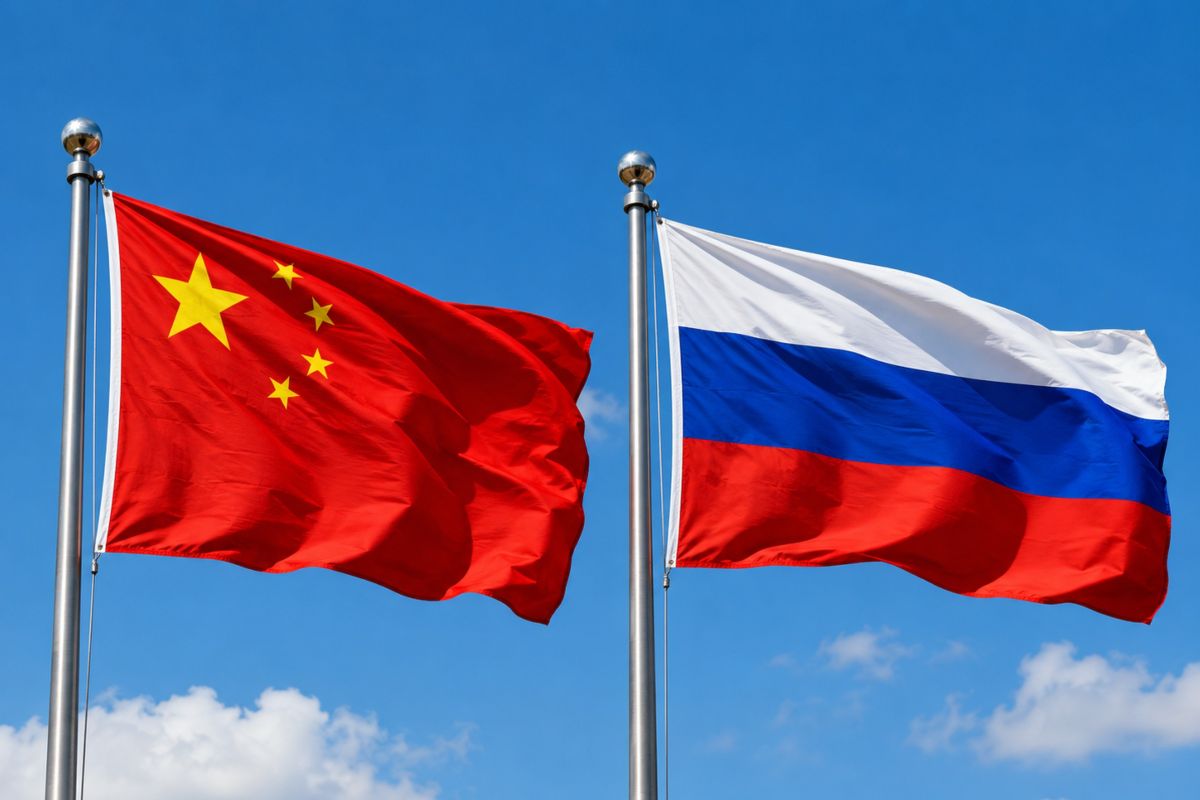
Moscow (ANTARA) - The leaders of the member states of the Shanghai Cooperation Organisation (SCO) have adopted the Bishkek Declaration and established plans to deepen cooperation in the fields of security, trade, and technology, as the organisation commemorates its 25th anniversary.
The declaration was ratified on Tuesday during the meeting of the SCO Council of Heads of State in the Kyrgyz capital, attended by several key regional leaders, including Chinese President Xi Jinping, Russian President Vladimir Putin, and Indian Prime Minister Narendra Modi.
The declaration reaffirms the commitment of the ten member states to international law and the United Nations (UN) Charter. The leaders also called for strengthening the role of the UN in maintaining international peace and security, as well as promoting sustainable development.
Furthermore, the declaration supports what member states describe as a more representative and equitable multipolar world order. They also called for reforms in global governance to ensure that every nation has a more equal role in decision-making processes.
SCO leaders also called for the responsible use of artificial intelligence (AI), reforms to global economic governance, and the strengthening of cooperation in sustainable development. They opposed what they termed as “double standards,” particularly regarding human rights issues.
The group also emphasised the non-military character of the SCO. Its member states stated their adherence to an approach that avoids block-based and confrontational methods when addressing international and regional development issues.
In addition to the declaration, leaders signed more than 20 other documents covering cooperation in security, the eradication of drug trafficking, technology, transport, energy, and the environment.
The summit also approved increased cooperation between the SCO and the African Union Commission and designated Lahore, Pakistan, as the SCO’s capital of tourism and culture for the 2026–2027 period.
The SCO currently consists of ten member states: Belarus, China, India, Iran, Kazakhstan, Kyrgyzstan, Pakistan, Russia, Tajikistan, and Uzbekistan.
Pakistan will take over the SCO leadership from Kyrgyzstan and will host the next meeting of the SCO Council of Heads of State in 2027.