
Scientists Uncover 12,000 Ancient Fossils in Australia Revealing Origins of Complex Life
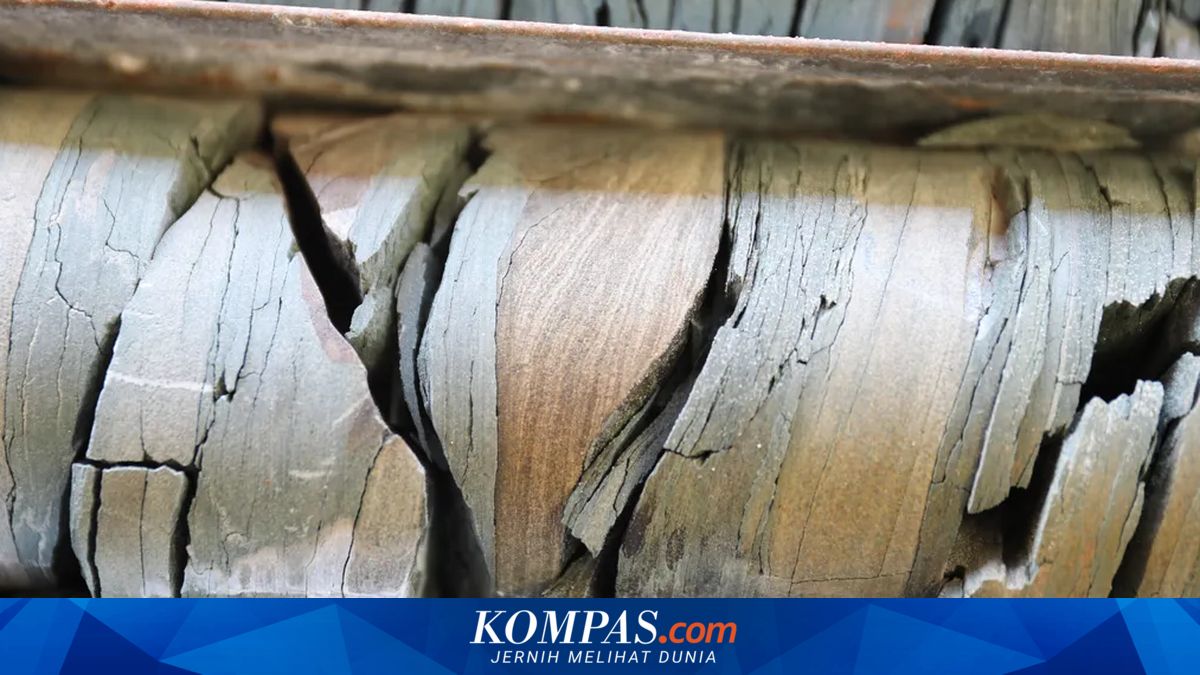
For historians, ancient diaries are invaluable sources of information to understand how an era evolved. For geologists, the equivalent is core samples—long sediment cylinders extracted directly from beneath the Earth’s surface to provide physical records of our planet’s evolution over millions, even billions, of years. In Australia, a collection of mud cores has recently demonstrated the immense significance of this geological ‘diary’.
Through a recent study published in the prestigious Nature journal, researchers described an extraordinary discovery of over 12,000 microscopic fossils dating back 1.4 to 1.75 billion years ago. The findings offer crucial insights into how complex life first evolved on Earth.
Maxwell Lechte from theUniversity of Sydney and Leigh Anne Riedman from theUniversity of California, Santa Barbara (UCSB) explained that all life on Earth can be fundamentally categorised into two types at cellular level.
First, prokaryotes (such as bacteria and archaea) have a very simple cellular organisation, lacking a nucleus or mitochondria, and are mostly unicellular. These organisms have been highly successful on Earth, with an estimated population of five nonillion (5 followed by 30 zeros), making them the dominant life forms for billions of years.
Second, eukaryotes, which include all animals, plants, algae, and fungi, possess far more complex cellular structures with organised DNA strands and energy-producing organelles. These complex cells emerged when ancient prokaryotic organisms cooperated and merged into a single entity (symbiosis) around two billion years after Earth’s formation.
However, the exact timing and process of this fusion remain a major mystery. Unlike bacteria, which can survive in extreme environments even without oxygen, complex life forms have significant limitations.