
Scientists Successfully Restore Donor Retina Response
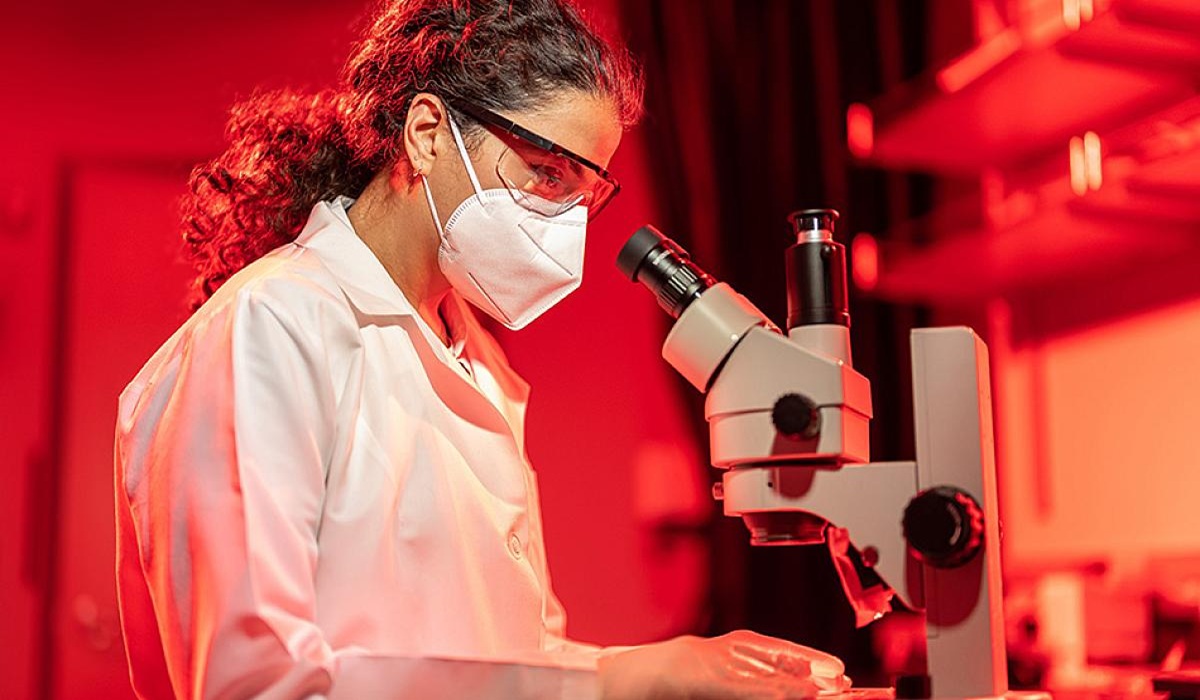
Scientists from the John A. Moran Eye Center at the University of Utah Health have successfully developed technology that allows donor retinal cells to respond to light once more. The breakthrough, published in the journal Nature, opens up new possibilities for research into eye diseases and neural disorders.
The technology developed is not an eye transplant, but rather a system for preserving the function of donor retinas. The research team designed a special transport unit that maintains the supply of oxygen and nutrients to donor eyes, and developed a retinal stimulation device to deliver light stimulation whilst simultaneously recording the electrical activity of the cells.
According to the researchers, the combination of these two technologies allows retinal tissue to remain in a condition close to its natural function. This gives scientists the opportunity to study the human retina directly, something that was previously extremely difficult to achieve.
In this study, donor eyes were obtained less than 20 minutes after death. Although the photoreceptor cells were successfully reactivated, initial experiments showed that the cells were not yet able to communicate with one another.
The team then discovered that oxygen deprivation was the main cause of the loss of communication between cells. Once the oxygenation and nutrient system was applied, the retinal cells once again produced electrical activity resembling that of a living retina. Indeed, for the first time, the researchers successfully recorded the B wave, an electrical signal from the human macula, after death.
The study’s lead author, Fatima Abbas, PhD, explained that photoreceptor cells in the macula were still able to respond to bright light, coloured light, and even very dim flashes of light in donor eyes obtained up to five hours after death.
Using data from more than 40 human donor eyes, this approach enables more accurate retinal research compared with animal models and has the potential to accelerate the development of therapies for retinal diseases, including age-related macular degeneration.
In addition, the researchers believe the method could be used to study other neural tissue in the central nervous system. Consequently, the technology has the potential to aid research into various neurodegenerative diseases in the future.
Although it cannot yet restore sight, this breakthrough presents a new way to study the human retina directly. Scientists hope the technology will serve as a foundation for developing more effective therapies for eye diseases and research into neural disorders in the future.