
Scientists Reveal Why Sloths Move So Slowly: The Secret Lies in Their DNA
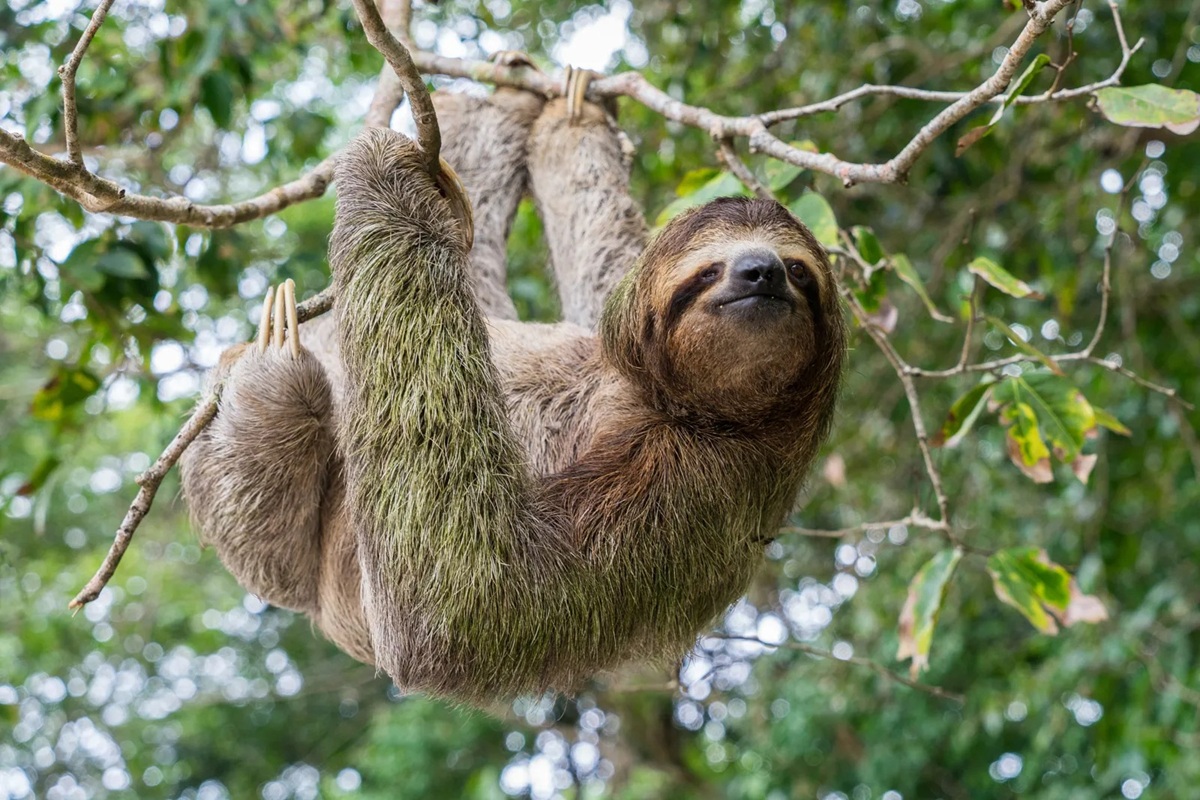
The sloth is a highly unique mammal, moving slower than any other on Earth, possessing the lowest metabolism, and not always regulating its body temperature. Through a recent genetic study, scientists have finally discovered clues as to how this animal evolved with such an energy-efficient lifestyle. An international research team examined the DNA of the two-toed sloth (Choloepus didactylus) and compared it with dozens of other mammals, including its close relatives such as anteaters and pangolins. From this analysis, they found specific DNA sequences called transposons, or ‘jumping genes’, which have been active in the sloth’s body for 30 million years. The researchers were surprised that many of these jumping genes are directly linked to the mitochondria—the cell’s energy centre—and to genes regulating metabolism. Camila Mazzoni, a biodiversity genomics expert from the Leibniz Institute for Zoo and Wildlife Research in Germany, explained that the findings suggest sloths may have developed a genetic ‘backup system’ that helps compensate for their ‘relaxed mitochondria’ and supports their unique lifestyle. Because sloth cells require very little energy, mutations eventually accumulated within their sluggish mitochondrial genome. The presence of these jumping genes is thought to act as a genetic shortcut, allowing the sloth’s body to continue functioning properly. This unique genetic characteristic has been maintained by sloths for tens of millions of years, specifically after they evolutionarily diverged from pangolins and anteaters. Interestingly, this extremely low metabolic condition does not make sloths ill. The body’s ability to remain healthy under minimal energy conditions holds significant potential for human medicine, particularly for tackling diseases that damage mitochondrial function, such as disorders arising from obesity to Parkinson’s disease. Pedro Galante, a molecular biologist from the Sírio Libanês Hospital in Brazil, explained how sloth DNA could aid human health in the future. Many human conditions, including diabetes, ageing-related disorders, neurodegeneration, and muscle atrophy, involve problems with energy production and mitochondrial function. The logic is that if the sloth’s DNA structure can explain the secret of a mammal staying healthy while its organs operate below normal capacity, this formula could be used to protect human cells. Galante added that sloth cell lines could offer a natural model for understanding how organisms cope with low-energy states and what goes wrong in disease. In the long term, this could inform research on tissue preservation, critical care medicine, ageing, metabolic diseases, and even long-duration space travel. Despite the great potential, the utilisation of these genes must be researched carefully, as in humans, jumping gene activity often triggers deadly diseases such as cancer. Therefore, the sloth’s high resilience to such DNA changes is currently a primary focus for scientists.
Source: jawawa.id (https://jawawa.id/newsitem/scientists-reveal-why-sloths-move-so-slowly-the-secret-lies-in-their-dna-1782190235)
Originally published by Media Indonesia (https://mediaindonesia.com/humaniora/903354/ilmuwan-ungkap-alasan-kukang-bergerak-sangat-lambat-rahasia-terletak-di-dna), translated from Indonesian