
Scientists Reveal Underground Fungal Network Spanning 11,000 Light-Years
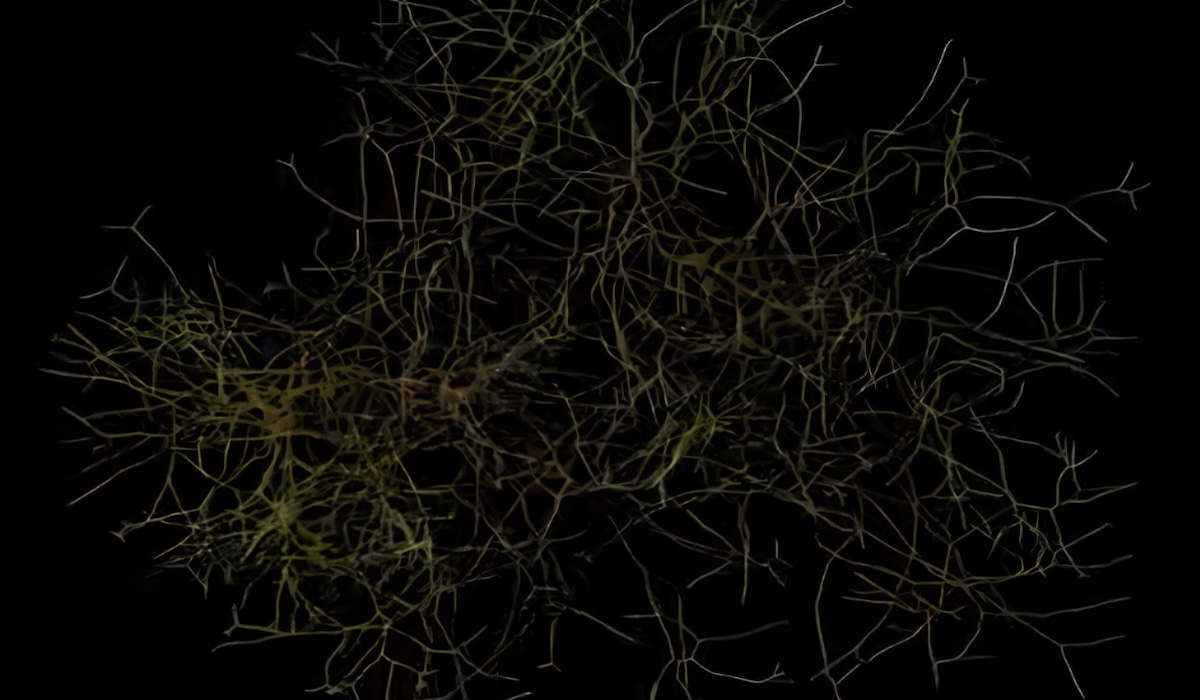
Scientists have revealed the existence of an extraordinarily vast underground life network, reaching approximately 110 quadrillion kilometres in length, equivalent to 11,000 light-years. This microscopic network is known as the underground ‘internet’ connecting various ecosystems across the planet.
According to a BBC Science Focus report, the network is formed by arbuscular mycorrhizal (AM) fungi. These organisms live in the soil and establish symbiotic relationships with the roots of most plants through microscopic threads called hyphae.
The most striking aspect of this discovery is its massive scale. If all the AM fungal threads in the world were connected, their length would reach nearly one-tenth of the diameter of the Milky Way galaxy. This network is widely distributed beneath grasslands, forests, and global agricultural land.
Research from the Society for the Protection of Underground Networks (SPUN) indicates that this network is not merely a physical structure but a significant carbon store. It is estimated that the fungal network stores around 300 megatonnes of carbon, equivalent to four to six times the total mass of all humans on Earth today.
The hyphae network functions as an extension of plant root systems. The fungi help plants absorb water and nutrients from soil areas that are difficult to reach. In return, plants provide carbon from photosynthesis to the fungi, creating a reciprocal relationship that has lasted for hundreds of millions of years.
Despite its crucial role, the existence of this underground network is threatened by intensive agricultural activity. Excessive soil tillage can sever fungal threads, while the use of chemical fertilisers risks reducing plants’ natural dependence on the fungi.
Studies note that agricultural land contains only about half the amount of fungal networks found in wild land. Damage to this system is feared to disrupt the soil’s ability to store carbon and harm the balance of microorganisms that maintain the health of terrestrial ecosystems.