
Scientists propose survey of the entire Antarctic coastline
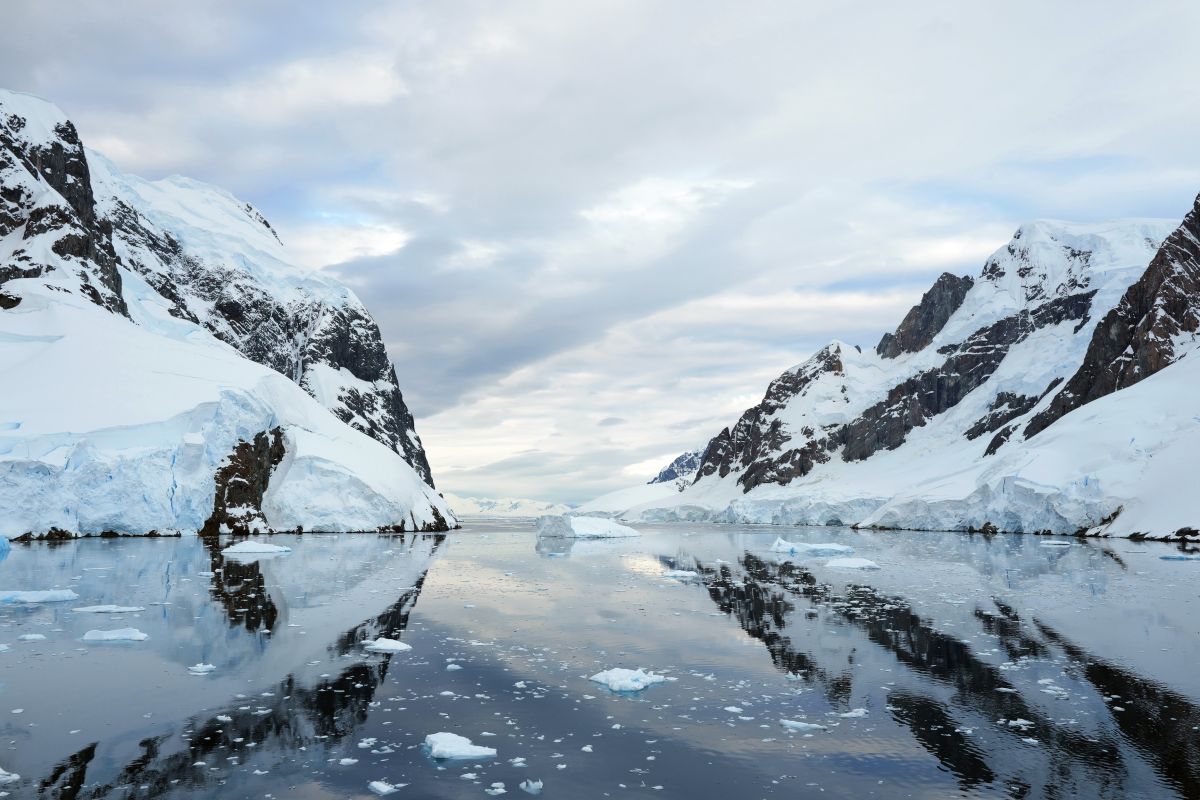
Melbourne (ANTARA) - A team of scientists in Australia studying Antarctica is part of an international plan to conduct a geophysical survey of the entire Antarctic coastal region in an effort to improve predictions of future sea-level rise.
The scientists will carry out three series of surveys encircling the Antarctic continent, named “RINGS around Antarctica”, which will track ice flow on land, the zones where land-based glaciers transition into floating ice shelves (grounding zones), and the ice sheets facing the sea, in order to identify the key processes causing ice loss, according to a statement released on Monday (7/9) by the University of Tasmania (UTAS).
The research, published in the journal Reviews of Geophysics issued by the American Geophysical Union, summarises current understanding of how ice, ocean, atmosphere and the solid Earth interact in the Antarctic coastal zone, whilst highlighting critical knowledge gaps and the need for improved observations on a pan-Antarctic scale.
“This ambitious and globally coordinated campaign will address the greatest uncertainty in predicting Antarctic sea-level rise, which has major implications for coastal planning and for efforts to support low-lying nations, including Australia’s neighbours in the Pacific region,” said one of the lead authors of the study, Felicity McCormack of Securing Antarctica’s Environmental Future, based at Monash University in Australia.
Another author of the study, Zhao Chen of the UTAS Institute for Marine and Antarctic Studies, said the plan could help reveal how far and how quickly the rate of ice loss in Antarctica could reshape coastlines around the world.
The review was written by 80 scientists from around the world through the RINGS Action Group of the Scientific Committee on Antarctic Research, which coordinates international efforts to survey the Antarctic coastal zone.
The researchers identified persistent gaps in direct observations of seafloor topography in coastal areas and of cavities beneath the ice sheets, which could limit estimates of Antarctic ice loss and future sea-level rise.