
Scientists Discover Hundreds of Hidden Earthquakes in Unusual Antarctic Location
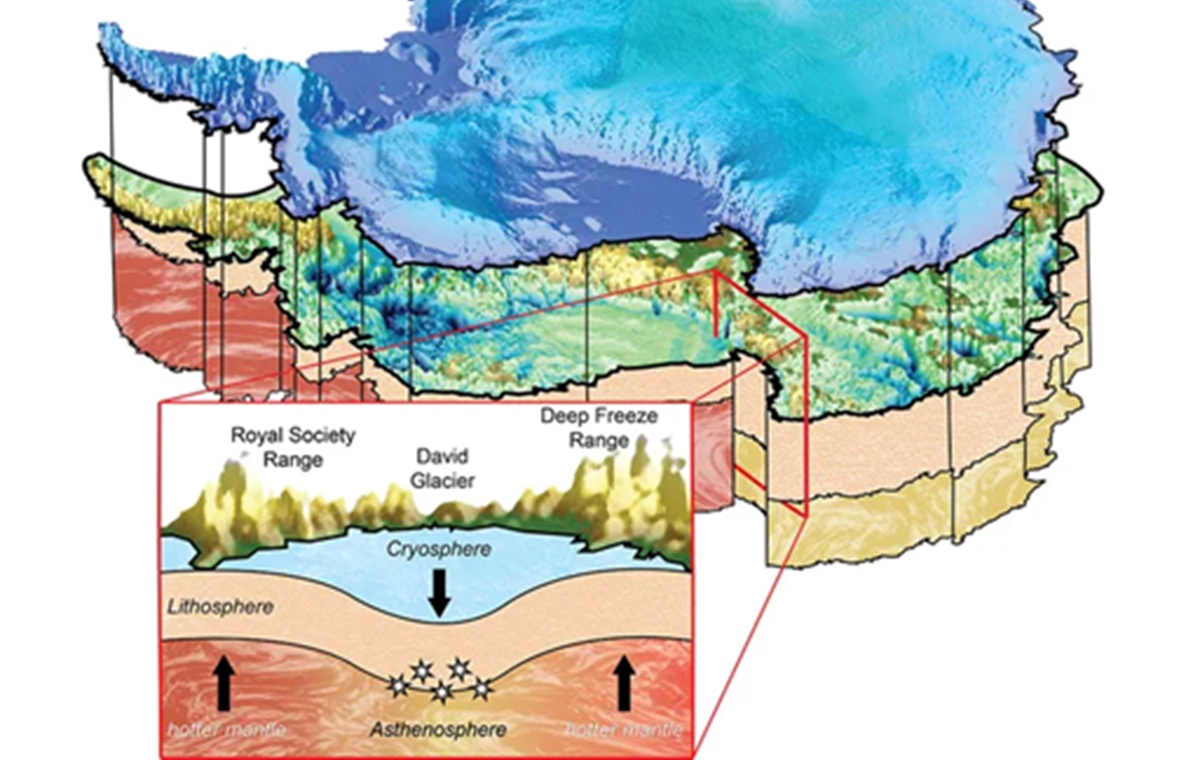
Antarctica has long been known as the most seismically stable continent on Earth. However, that perception is beginning to shift after scientists discovered hundreds of hidden earthquakes beneath the ice sheet of West Antarctica. Interestingly, these tremors were detected in a location considered highly unusual. Using advanced seismic data analysis methods, a research team successfully identified more than 300 small earthquakes that had previously gone undetected by standard monitoring networks. These earthquakes occurred in the area around the Rutford Ice Stream, a region in West Antarctica that serves as a pathway for fast-moving ice towards the ocean. The discovery surprised geologists because the earthquakes did not occur at active tectonic plate boundaries, as is typical, but rather deep within the interior of the continent. Furthermore, the depth and vibration patterns indicate that this activity is not caused by surface ice movement, but by genuine tectonic processes within the Earth’s crust beneath the ice sheet. “We were very surprised to find so many small earthquakes in an area we previously considered very quiet,” said one of the lead researchers in the study. “The location of these earthquakes is very strange because they are in a transition zone where the Earth’s crust is stretching, giving us a new window to understand what is happening under the ice.” Scientists believe this hidden seismic activity is triggered by rifting activity, an ongoing process of crustal thinning and stretching beneath the West Antarctic Rift System. Although the magnitude of these earthquakes is relatively small and they pose no direct threat to the stability of the ice sheet, the discovery carries high scientific urgency. Understanding tectonic activity beneath Antarctica is crucial for researchers to predict how the subglacial landscape influences glacier movement. This data will ultimately help project the rate of ice melt and its contribution to global sea-level rise more accurately.