
School Orientation Period Extended to Five Days, Student Councils to Be Involved
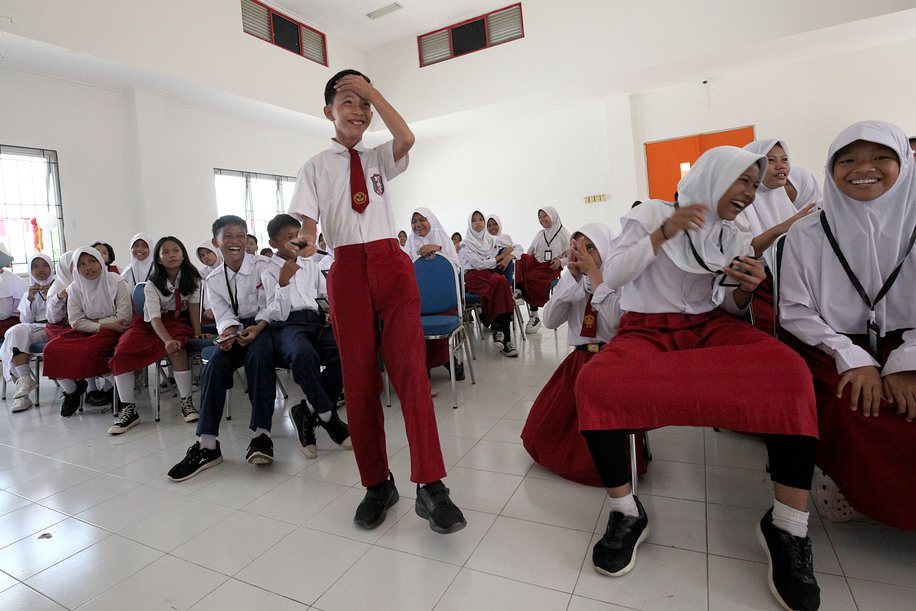
The Ministry of Primary and Secondary Education (Kemendikdasmen) has introduced several changes to the implementation of the Friendly School Orientation Period (MPLS Ramah) for 2026. One of the main changes is the extension of the programme to five days, alongside the involvement of student council (OSIS) and class representative council (MPK) members at junior secondary (SMP) and senior secondary/vocational (SMA/SMK) levels.
Secretary of the Directorate General of Early Childhood, Primary, and Secondary Education, Eko Susanto, explained that the new policy is stipulated in Ministerial Regulation Number 12 of 2026. “In the provisions of Permendikdasmen Number 12 of 2026, we have set the implementation period at five days,” Eko said in Jakarta on Wednesday (24/6).
According to Eko, the duration of the 2026 MPLS Ramah has been increased by two days compared to the previous regulation outlined in Permendikbud Number 18 of 2016 concerning School Orientation for New Students. This change allows new students more time to become familiar with the school environment, learning culture, and various available educational programmes. However, the implementation of MPLS Ramah can be adjusted for boarding schools, special needs schools (SLB), and special service schools, provided such adjustments are reported to the local education office or the ministry in accordance with applicable regulations.
In addition to the change in duration, Kemendikdasmen has updated the rules regarding the MPLS Ramah committee. This year, schools are permitted to involve students who are members of the OSIS or MPK as part of the organising committee at SMP and SMA/SMK levels. However, student involvement is not unconditional. The ministry has emphasised that appointed participants must meet certain criteria to ensure the activities are safe, comfortable, and support a positive school environment. “OSIS or MPK members who assist the committee must primarily have good character and no history of violence, so that the implementation remains safe and positive,” Eko stated.
Based on Permendikdasmen Number 12 of 2026, students eligible to serve on the MPLS Ramah committee must be OSIS board members, MPK members, or extracurricular organisation board members. Furthermore, they must not exhibit tendencies towards negative behaviour or have a history of committing violence or bullying. For schools that do not yet have an OSIS, MPK, or extracurricular organisations, students may still be involved in the committee, provided they have good academic or non-academic achievements and adequate interpersonal skills. This latest policy is expected to strengthen the implementation of MPLS Ramah as a means of adaptation for new students, while creating a more inclusive, safe, and bullying-free school environment.