
School Holidays: A Time to Cultivate Character, Not Just a Break from Learning
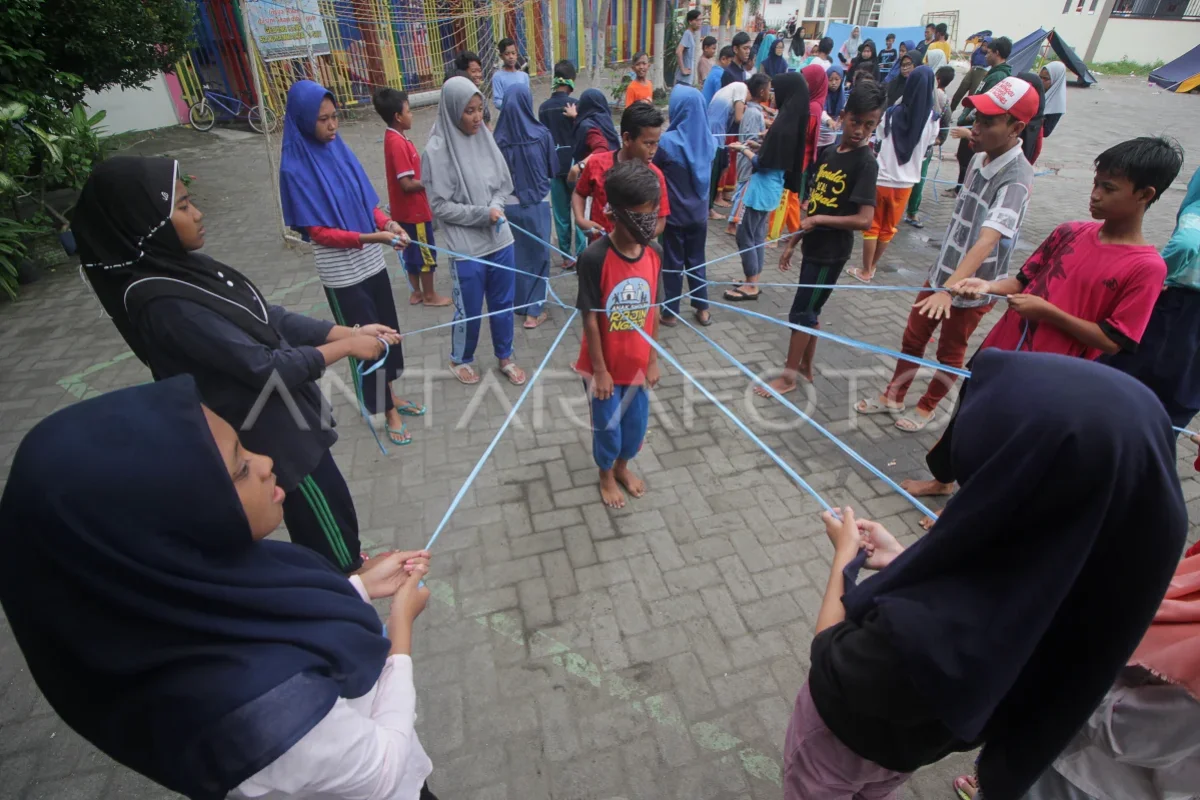
School holidays can be a break from formal lessons. However, they should not be a break from attention, role modelling, and character education.
For many children, the holiday is a long-awaited pause. Yet for families, this break actually opens up a bigger question: will the holiday merely become empty time, or a space to cultivate experiences, character, and closeness?
In Surabaya, East Java, that question finds an answer through the call for the school holiday period not to be interpreted simply as a cessation of learning. The even-semester holiday for the 2025/2026 academic year runs from 22 June to 11 July, before school activities resume on 13 July. This period can be an opportunity for children to get to know the world outside the classroom, and for parents to be present again as the primary educators at home.
The challenge is not small. Holidays often end up as days filled with gadget screens, online games, and increasingly rare family encounters. Children are at home, but their attention shifts to the digital world. Parents are physically present, but often preoccupied with work and phone notifications.
Therefore, the idea of filling the holiday with new experiences becomes important. Education does not stop when the school bell falls silent. It merely changes location, from the blackboard to the kitchen, the yard, the traditional market, the library, the village, or simple conversations at the dining table.
Holidays are often understood as long journeys, visits to tourist attractions, or expensive experiential purchases. In fact, the most valuable experiences do not always require a large budget. Children can learn discipline when helping to prepare breakfast, understand hard work when accompanying a trip to the market, or get to know their family roots when visiting grandparents.
In a big city like Surabaya, such learning spaces are actually very close. Children can be invited to learn about the city’s history through museums and cultural heritage areas, understand diversity through their neighbourhood environment, or learn empathy through community activities in the village. Holidays do not need to be full of agendas, but they must have direction.
This direction is important because a child’s free time is not a neutral space. Without guidance, free time can easily be filled with age-inappropriate digital content, excessive consumption patterns, or risky outdoor activities. Conversely, if managed well, free time can build curiosity, independence, and a child’s ability to interact with their environment.