
School Bus Trial in North Kuta in May-June, Bale Banjar as Pick-up Point
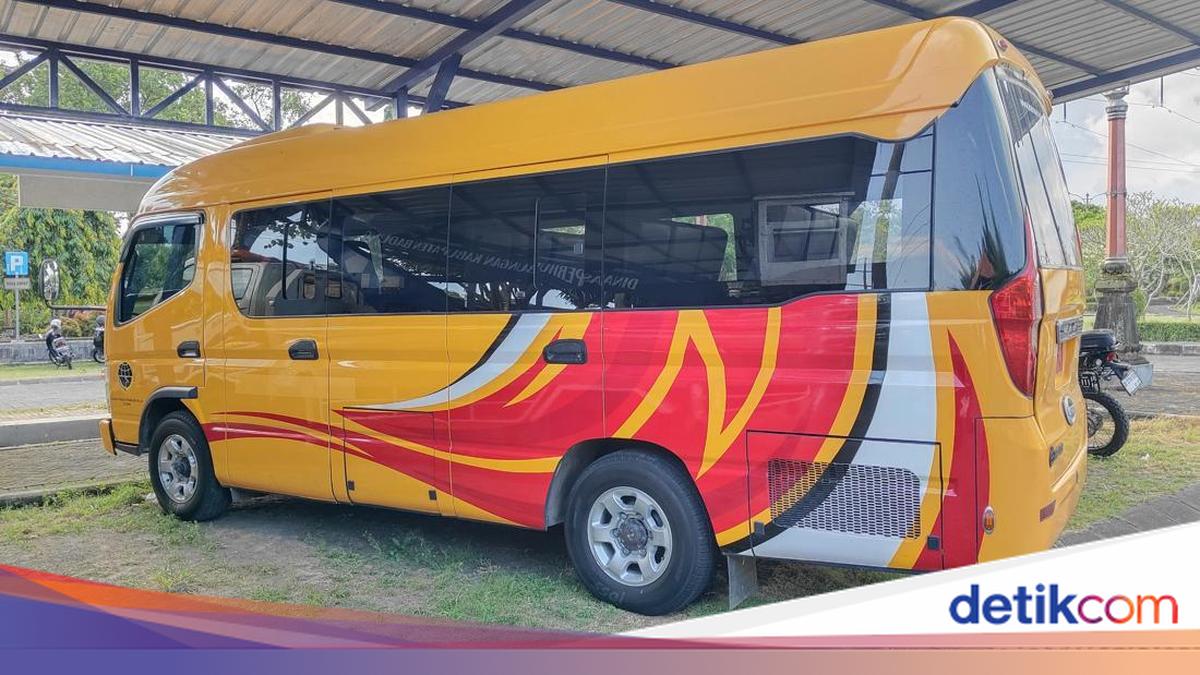
The Badung Regency Transportation Agency (Dishub) is finalising plans for a school transport system to reduce vehicle density on main roads. The programme will begin with a trial phase using one school bus obtained through technical assistance from the Ministry of Transportation.
“We will first trial using one school bus that we have, provided by the Ministry of Transportation. For this trial, we are currently corresponding with schools to survey the students who will be transported,” said Acting Head of the Badung Transportation Agency, I Made Gede Wiryantara Adi Susandi, on Thursday (16/4/2026).
A study on the transport routes was actually conducted last year, mapping around 84 potential routes across the entire Badung area. In April this year, the team from the Transportation Division of Dishub Badung is further deepening the determination of the most effective specific routes to implement.
“The results of last year’s study identified around 84 available routes, but since there is only one mini bus unit, we will select one route for the trial. Now we are focusing on studying which schools will be served, possibly in North Kuta Subdistrict,” he explained.
Parents of students, he said, are hoped to benefit from this system as they no longer need to be preoccupied with dropping off and picking up students. Additionally, the programme is expected to minimise the number of traffic accidents involving underage students and reduce vehicle congestion.
The operational scheme prepared includes pick-ups at 06.00 WITA and drop-offs at the end of the school day. To facilitate coordination, Dishub allows the use of bale banjar as gathering points or temporary stops for the students.
“The stopping points can utilise bale banjar. That means, for now, as a gathering place for the students who will be served,” he stated.
This trial is planned to commence in May or June. The local government will evaluate the system, assessing public interest before deciding on a permanent system and budgeting for additional fleet procurement in the following year’s regional budget.
“During the trial period, we will use the existing maintenance budget for fuel and drivers from us. If it goes well and smoothly, and public interest is positive, we will certainly allocate more in the future regional budget,” Wiryantara concluded.