
Saudi Oil Supply Threatened as Main Pipeline Attacked
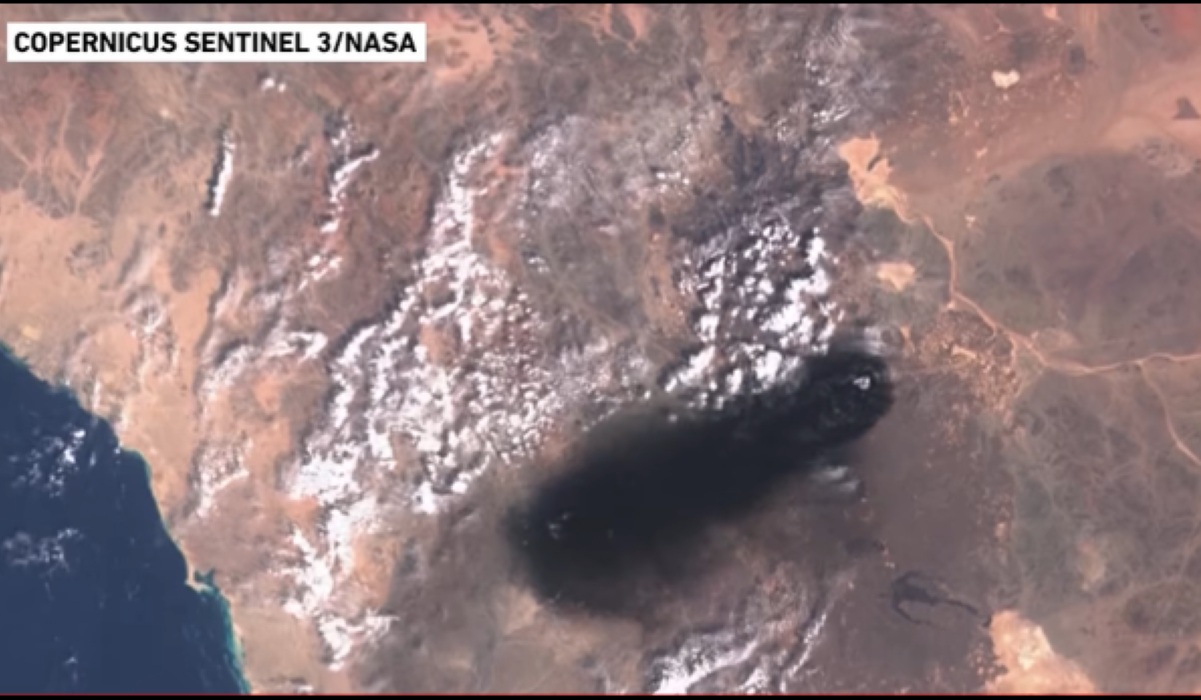
Saudi Arabia risks running out of crude oil stocks for export within days after a drone attack paralysed a critical pipeline used to bypass the Strait of Hormuz. The kingdom is reported to hold only enough crude reserves at the Red Sea port of Yanbu to maintain current export levels for roughly five to seven days without fresh supplies through the East-West Pipeline.
Should the pipeline remain incapacitated, the world risks losing up to 4% of total global oil supply. Energy public policy analyst David Blackmon said damage to the 750-mile Saudi Aramco pipeline appears far more severe than the previous incident last April.
Before the attack, the East-West Pipeline carried around four million barrels of crude per day to Yanbu. Industry estimates for the pipeline’s recovery vary. Some sources say repairs could take five to six weeks, while others hope partial operations can resume more quickly.
The situation worsens an already tight global oil market. According to the International Energy Agency’s (IEA) September oil market report, global oil supply is projected to fall by 5.7 million barrels per day in 2026, or around 6 per cent.
The East-West Pipeline, also known as the Petroline, plays a vital role as an escape route to avoid the conflict-prone Strait of Hormuz. However, the pipeline’s closure comes as Iran-aligned Houthi forces escalate attacks on Saudi energy facilities and advance along Yemen’s Red Sea coast towards the Bab el-Mandeb Strait.
Satellite data shows large plumes of smoke along the pipeline in the Saudi desert between Madinah and Mahd adh Dhahab. The attack forces Saudi Arabia, whose crude supply has already fallen to a three-decade low of around six million barrels per day in August, into an increasingly difficult position.
The energy crisis in the Middle East is beginning to be felt by consumers worldwide, including in the United States. The national average price for diesel has exceeded US$6 per gallon (around Rp92,000), up 63% compared with last year.
The rise in fuel costs has a direct impact on food and logistics supply chains.
The IEA described flows through the Strait of Hormuz as severely impeded. Diesel and oil exports from the Gulf have reached only a quarter of pre-war levels. Full recovery of Middle East oil supply is now not expected until 2027.