
Saudi Oil Exports via Hormuz Hit Highest Level Since Iran War
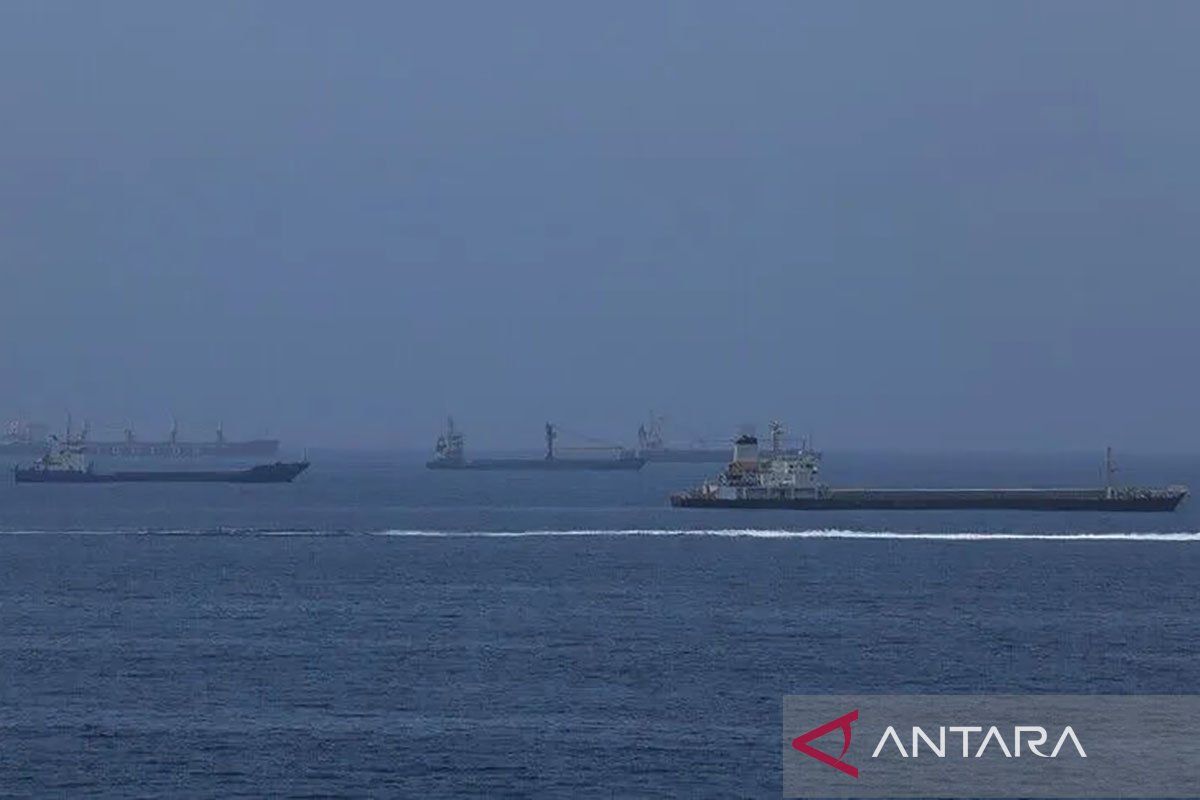
Saudi Arabia’s crude oil exports through the Strait of Hormuz have surged to their highest level since the Iran war disrupted shipping in the strategic waterway, according to a Bloomberg report on Thursday. The recovery in shipping flows follows the recent peace agreement between Iran and the United States. Four supertankers carrying oil from the Ras Tanura export terminal entered the Gulf of Oman after transiting the Strait of Hormuz. The vessels, all operated by Saudi shipping company Bahri, are transporting approximately 8 million barrels of crude oil. This marks the largest departure of Saudi supertankers through the strait since the peace deal came into effect around two weeks ago. The ships are part of a group of vessels over 300 metres in length that entered the Persian Gulf late last month before loading at Ras Tanura, one of the world’s largest crude export terminals. The uptick in tanker activity reinforces indications that Saudi Arabia, the largest producer in the OPEC group, is ramping up oil shipments as traffic through the Strait of Hormuz normalises. Bloomberg previously reported that Saudi Aramco sold at least 6 million barrels of crude oil on the spot market to buyers in Asia, including South Korea, Japan, and China. Such spot market sales are considered unusual, as Saudi Aramco typically supplies customers through long-term contracts. Shipping traffic in the Strait of Hormuz has also increased in recent days, with vessels now more frequently travelling in convoys to navigate the narrow passage. Most ships are using a US-managed shipping corridor in Omani waters, whilst some are opting for routes closer to the Iranian coast. Only a small number of Saudi oil tankers currently remain in the Persian Gulf. Of the four vessels near Ras Tanura, two have signalled they are fully loaded, whilst another is believed to have completed loading within the past few days. The Strait of Hormuz is one of the world’s most critical energy chokepoints, connecting oil-producing nations in the Persian Gulf with global markets and serving as the primary sea route for crude oil and liquefied natural gas shipments.