
Saudi Hajj Transformation and Hopes for Indonesian Pilgrims
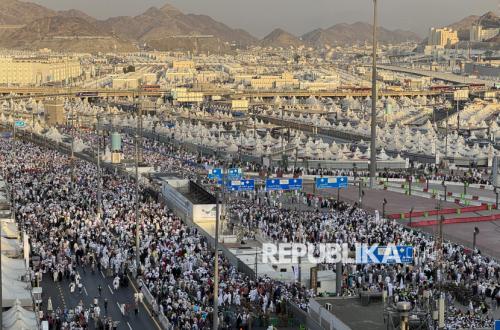
The 2026 Hajj season (1447 AH) has concluded, marking a significant milestone in the history of global Hajj organisation. Over 1.7 million pilgrims from various countries gathered in the Holy Land to fulfill their religious duty. Digital transformation was a key feature this year through the implementation of the Nusuk platform. The Saudi government emphasised the principle: ‘La Hajja Bila Tasreh’ (No Hajj without official permission). Pilgrims must possess the Nusuk card to enter Arafah, Muzdalifah, and Mina. This year’s Hajj can be termed the ‘Digital Hajj Era’ with the theme ‘Mabrur Hajj Connected to Goodness.’ Digitalisation has significantly improved Hajj management, ensuring more orderly, safe, and comfortable services for pilgrims. The Prophet Muhammad (PBUH) stated: ‘Al-Hajj al-Mabrur has no reward other than Paradise.’ (Bukhari) Various Hajj services in Saudi Arabia have seen substantial improvements in line with Vision 2030, led by Custodian of the Two Holy Mosques King Salman bin Abdulaziz and Crown Prince Mohammed bin Salman. Enhancements include airport arrivals in Jeddah and Medina, modern transport systems like the Haramain High-Speed Railway, inter-city and inter-camp bus services, upgraded hotels in Mecca and Medina, and better management of Arafah, Muzdalifah, and Mina areas. With more professional, technology-based management, this year’s Hajj proceeded smoothly with minimal disruptions or major incidents. M. Hasan Gaido expressed appreciation to the Saudi government for these innovations and service improvements. ‘We hope these better services will help pilgrims focus on worship to achieve a mabrur Hajj. A mabrur Hajj has no reward other than Paradise, and it must be connected to goodness in daily life,’ he said.