
Saudi Arabia strengthens oil export routes amid regional tensions
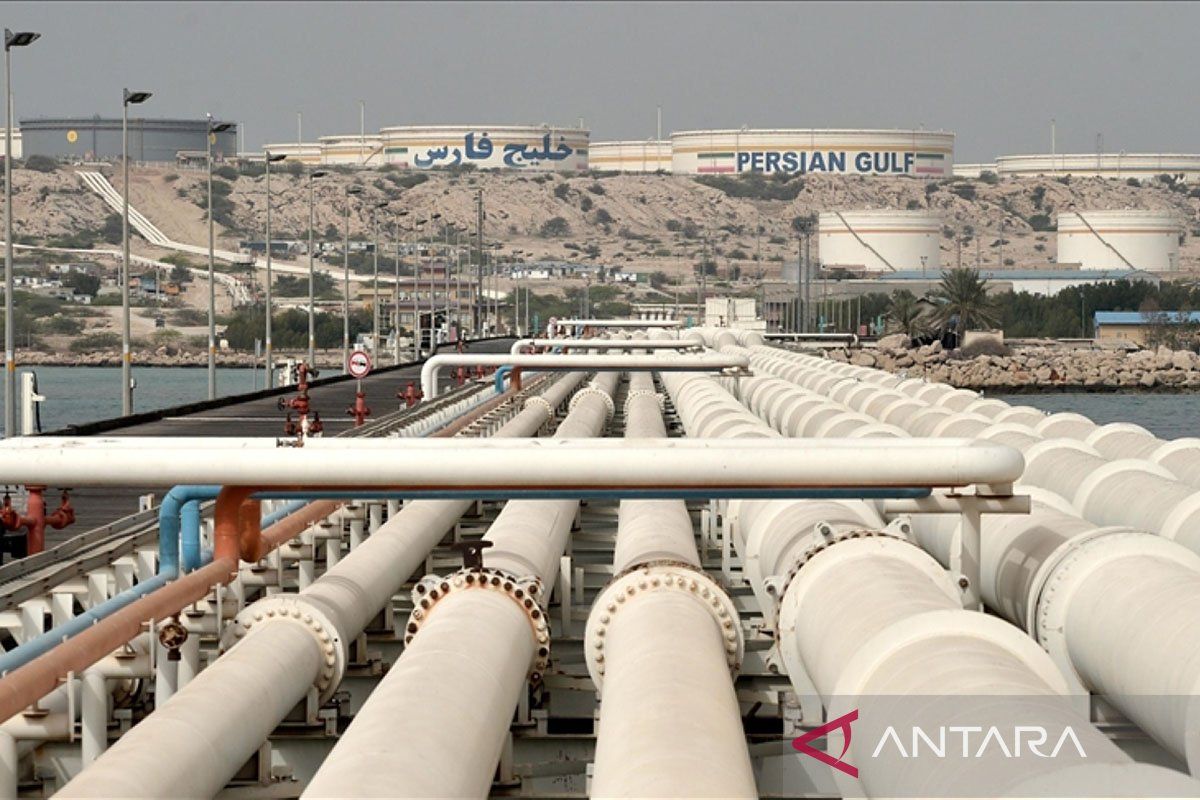
Istanbul (ANTARA) – Saudi Crown Prince Mohammed bin Salman on Tuesday (24 November) stressed the importance of the East-West oil pipeline and Red Sea ports to maintaining global energy supplies amid regional tensions and disruption to maritime trade.
His remarks followed approval by the Saudi Cabinet, which he chaired, of the 2027 state budget at a meeting in Riyadh. According to the Saudi Press Agency (SPA), the budget estimates expenditure at US$371.2 billion (Rp6.79 quadrillion), revenue at US$320.4 billion (Rp5.87 quadrillion) and a deficit of about US$50.8 billion (Rp929.74 trillion).
The crown prince said Saudi Arabia had established itself as a reliable and sustainable global energy supplier, backed by strategic investment in energy and logistics infrastructure.
He said the East-West pipeline and ports along the kingdom’s western coast played an important role in ensuring the smooth export of both oil and non-oil goods.
The crown prince also reaffirmed Saudi Arabia’s commitment to co-operating with energy-producing countries, expanding economic partnerships and supporting development and stability at regional and global levels.
The East-West pipeline, also known as Petroline, is operated by state-owned energy company Aramco. It transports crude oil from oil-producing areas in eastern Saudi Arabia to the Red Sea port of Yanbu, allowing oil exports to bypass the Strait of Hormuz.
The pipeline, which is about 1,200 kilometres (745 miles) long, has a transport capacity of around seven million barrels a day. It is an important alternative route for Saudi oil shipments when passage through the Strait of Hormuz is disrupted.
The pipeline’s importance has grown this year as shipping activity through the Strait of Hormuz has fallen sharply. The strait was previously a main route for Saudi crude exports. The decline followed the US-Iran war.
The pipeline has also repeatedly been targeted in regional tensions. On 9 November, the Saudi Energy Ministry said an attack on the pipeline in the western part of Madinah Province caused a limited fire but no casualties or disruption to operations.
On 26 October, Yemen’s Houthi group claimed it had launched drone attacks on several pumping stations along the pipeline.
Crown Prince bin Salman said recent geopolitical developments had demonstrated the resilience of the economy and Saudi Arabia’s ability to adapt to changing circumstances. He attributed this to flexible fiscal policies and co-ordination among government agencies.
He added that the kingdom continued to monitor regional and international developments, including uncertainty surrounding the global economy.
The crown prince said national security and stability remained essential to protecting Saudi Arabia’s economic achievements and promoting development. He also pledged to continue investing in the country’s military and defence capabilities.
He reiterated the kingdom’s commitment to safeguarding Saudi Arabia’s sovereignty and resources and contributing to regional and international peace and stability.
In recent months, Saudi Arabia has repeatedly faced missile and drone attacks launched by the Houthis from Yemen. The attacks have targeted airports, energy infrastructure and other civilian and economic facilities.
Source: jawawa.id (https://jawawa.id/newsitem/saudi-arabia-strengthens-oil-export-routes-amid-regional-tensions-1795593353)
Originally published by Antara (Indonesian) (https://www.antaranews.com/berita/5877123/arab-saudi-perkuat-jalur-ekspor-minyak-di-tengah-ketegangan-regional), translated from Indonesian