
Saudi Arabia Reroutes Oil Exports via Egypt Amid Red Sea Tensions
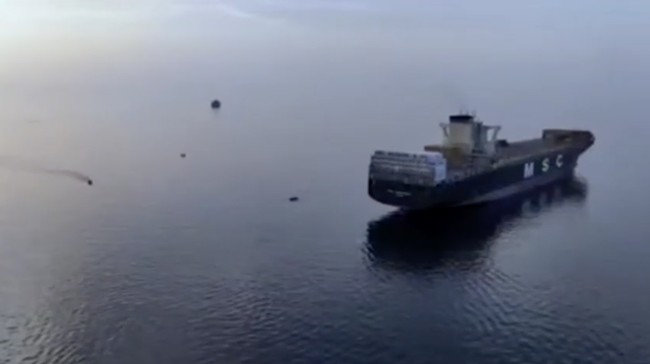
Saudi Arabia has begun diverting oil exports via a pipeline across Egypt to the Mediterranean to avoid the risk of attacks in the Red Sea. The move comes after the Iran-backed Houthi group imposed a maritime embargo against the kingdom.
Data from trade intelligence firm Kpler shows exports from Egypt’s Sidi Kerir port more than doubled to approximately 2.3 million barrels per day in August, up from 1 million barrels per day in July. The majority of this crude is of Saudi origin.
“This is not a short-term decision. This is a real change in strategy or dynamics,” said Matt Smith, Kpler’s director of commodity research. Sidi Kerir is connected to the Ain Sokhna port on the Red Sea via the Sumed pipeline, allowing supertankers too deep for the Suez Canal to offload cargo, pump it across Egypt, and reload it in the Mediterranean.
Riyadh is under significant pressure after Iran and its allied groups escalated threats against energy shipping lanes in the Middle East. Saudi Arabia had previously diverted millions of barrels per day from its eastern region to the Yanbu port on the Red Sea due to disruptions in the Strait of Hormuz. Now, Houthi attacks on Saudi tankers in the Red Sea are threatening shipments from Yanbu through the Bab el-Mandeb strait. Kpler data shows Saudi exports from Yanbu via Bab el-Mandeb plunged nearly 90% to about 1.3 million barrels in the week of 3 August, down from 11 million barrels the week the Houthi embargo was first announced.
“There is a huge dislocation here. It is clear the Saudis are taking this seriously and expect this situation to be the new trend,” Smith added. Saudi Aramco CEO Amin Nasser acknowledged the kingdom has an alternative route via the Sumed pipeline and the Suez Canal to avoid the southern Red Sea and Bab el-Mandeb.
However, the strategy is not without consequences. Tankers bound for Asian customers must take a much longer route around Africa, which Nasser said can add about 25 days of travel time compared to the Bab el-Mandeb route. Most Saudi crude exiting Sidi Kerir is currently heading to the United States and Europe. Smith noted this is creating a domino effect in global markets, with Asian buyers potentially reselling cargoes and West African crude originally destined for Europe being redirected to Asia. Risks also remain after two LNG vessels at Egypt’s Damietta port were struck by drones on 30 July, though no party claimed responsibility.